Back in the Seventies, in between keeping an eye out for the unwanted attentions of radio DJs and waiting for punk, the internet or colours to happen, there was real beauty if you knew where to look. By which I mean telly, of course. From the haunting fairground tones of the introduction to schools programme Picture Box, to the rolling sci-fi thrill of The Tomorrow People theme, it seemed that, far from not wanting to scare the horses, these oddball music makers would have sampled their galloping retreat and used it as a rhythm track for an animated short about a deaf boy and his magic snail.
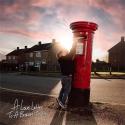
Swedish band Death and Vanilla may not share the heritage, but they certainly get the sentiment, and new album To Where the Wild Things Are is decorated with moments that are redolent of this magical, childlike state. As Marleen Nilsson's breathy, lullaby lilt drifts along, the carousel keyboard tones of “The Optic Nerve”, “California Owls” and “The Hidden Reverse”, drenched in reverb and gently stretched by vibrato, leave us floating in a space similar to the calmer moments of Broadcast or the Soundcarriers. “Time Travel” and “Moogskogen” cover much the same area, but do so in a flash car with Roy Budd and John Barry in the back.
Even when they appear to be offering something that is more conventionally rooted in late Sixties folky pop, such as “Arcana” or “Follow the Light”, the result is still closer to the dark and dreamy psychedelia of the Poppy Family mixed with the raw, tonal experiments of 50 Foot Hose. In fact, the pastoral whimsy that marks the beginning of many of the tracks here more often than not gives way to experimental, Wicker Man menace, almost imperceptibly, such is the delicate hand and intricate nature of the arrangements.
It is occasionally meandering, and the criticism could be levelled that the album’s a bit same-y when taken as a whole. Individually, however, the songs feel strong, so what to jettison is a tricky call. It’s also a bit like complaining about being given a pasty for dinner when you’ve had a pie for lunch – basically not a problem that I’m in any particular hurry for them to address.
Overleaf: Watch the video for "California Owls"