Like its title, this film is surprisingly open in its capacity for possibility. It's ironic that this blossoming branch – When I Saw You – is set in the stilted habitat of a refugee camp in Jordan. It’s a sweet film that gets to the heart of the Palestinian conflict, cinematically as well as through its characters.
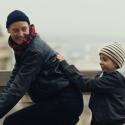
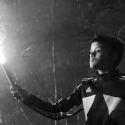
The year is 1967, the Six-day war has just happened and 11-year-old Tarek (Mahmoud Asfa, pictured below) is fast realising his stay in Harir with his mother Ghaydaa (Ruba Blal), as they wait for his father, could be much longer than he initially anticipated.
In what should be a desolate setting, writer and director Annemarie Jacir highlights moments of fun and images of the resoluteness of the human spirit in times of desperate conflict – the drive to keep on keeping on. Toddlers use a burlap tent as a slide, Tarek plays cars in the dirt with rubble and children attend school, although the futility of their education is palpable, and devastating.
 Tarek is suffocated by the oppressive claustrophobia of their tin dwellings – he doesn’t know which direction he came from, nor where he is going, and he channels his resolute (read: stubborn) nature into trying to get home to Palestine.
The film shifts subtly from frames that are wide and close, full faces with dark eyes that haunt the screen, dusty and blue with a somber tinge, to scenes that open to full landscapes of dirt mountains and then dry green fields as Tarek learns to become a freedom fighter, much to his mother’s chagrin. Jacir captures admirably the essence of human nature to find reason, meaning and drive to survive – in each other as well as in action.
The ending of the film is as open as the journey of Palestine – an unending, unsolved problem, impossible to predict, impossible to conclude.