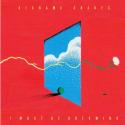
The massed rock audiences which caused Dave Grohl’s old band such angst have fuelled the Foos. This tenth album was finished early in their 25th year, with a celebratory lap of 2020 festivals booked. Now these are anthems without an audience, released into a world in stasis, where communal closeness is an alien and fearful prospect.
Then again, I’ve stood feet away from the band’s festival gale-force, seen the whites of Grohl’s eyes as he grins and sweats at his work, and felt indifferent to the relentless, undifferentiated uplift. Grohl’s proverbial niceness, the positivity with which he moved past Nirvana’s nihilistic end, contributes to this soft underbelly. The generic tunes’ fuzzy conservatism, a surfeit of effort over genius, hampers the Foos far more than their singer’s good heart.
Medicine at Midnight goes some way to addressing this. Grohl wanted to escape expectations in the mode of Bowie’s Let’s Dance, aiming for a “groove-orientated, up, almost danceable record”. While there’s no Nile Rodgers for true transformation, the metallic crunch of 1980s proto-digital hybrids such as ZZ Top does ghost through. Creamy, abstracted female harmonies float above the Foos’ rock swagger, on “Holding Pain” sustaining a Merry Clayton-style wail to meet a glam guitar solo. The percussive clatter and skeletal groove of “Shame Shame” is the biggest Bowie nod, the titular word descending just like “Fame”. “Chasing Birds” is the least characteristic, this dreamy, numbed ballad hinting at Beatlesque psychedelia before settling for Crowded House’s softer-edged approximation, as the singer escapes a “bleeding heart”.
Refreshed thinking helps straighter rock, too. “Waiting on a War”, inspired by Grohl’s old nuclear nightmares and his son’s depressingly similar dread, states his music’s philosophical case: “Never really wanted to be No 1/Just wanted to love everyone/Is there more to life than that?” The bustling middle-8 meanwhile surges into a rushing chorus, like an anti-war Bond theme. “No Son of Mine”’s splicing of Creedence sentiment, “Ace of Spades”’ downhill riff and Robert Plant’s “Kashmir” howl also gives mainstream 21st century rock a good name.
The Foo Fighters have changed the chassis, not the engine; the style, not the soul. But Medicine at Midnight is still a rejuvenating detour, en route to the familiar packed fields which will one day complete it.