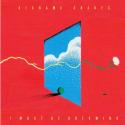
Over the decade and a half that I’ve been writing about music, it has been my goal to distinguish between music that I just don’t like and music that is, in a more objective sense, terrible. Sometimes the line is a fine one, and - as many a Leona Lewis fan reading this site will attest - I don’t always end up on the side of it I think I am on. But even bearing that in mind, the new album from Gary Numan is a genuine puzzler: I can’t decide if it’s a sluggish, noisy, unlistenable record, packed with laughably nihilistic lyrics; or if it’s just me.
To give a bit of context I should note that new wave, of which Numan was an unquestionable pioneer, was dying out as I was in babyhood and his two biggest hits were released three years before I was even born. It may be that those who have been waiting for Numan’s first new material since 2006 are anticipating discordant whistles, industrial bass and a voice that sounds like a replicant having a slow nervous breakdown. But my frame of reference was “Cars” and the sample off the start of Sugababes’ last truly great single; yet by the time I hit the clashing chords and hissily whispered verses of “Here in the Black”, the second track on Splinter, I was thinking more along the lines of the time I bought a Marilyn Manson single in an attempt to find a subculture to identify with in my late teens.
“Black” is one of several songs on the album to address Numan’s recent struggle with depression, and in that context the elements of the album make sense: the bleak hamminess to the lyrics of “Everything Comes Down”; the fact that “The Calling”, despite its intricacies and lush orchestration, is a cold and merciless four and a half minutes; the claustrophobia of the title track and “Love Hurt Bleed”. Only “Lost”, a comparatively simple heartbreak ballad for voice and piano, provides much respite, and is the most affecting track on the album for it. I’d argue that Splinter is more challenging than anything that, say, David Bowie has released in recent years - but that doesn’t mean I have to like it.
Hear opening track "I Am Dust" overleaf