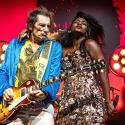
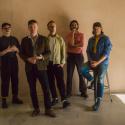
From a residency at a low-key Hollywood piano bar, jazz fusion collective The West Coast Get Down has seemingly launched a global takeover of jazz. First, saxophonist Kamasi Washington went stellar; currently four other members of the group are releasing their own albums. Of these, upright bassist Miles Mosley is possibly the slowest burn, but after collaborations with the likes of Joni Mitchell, Kendrick Lamar, and Chris Cornell, he, like Kamasi Washington before him, is in danger of being handed the saviour-of-jazz mantle. It’s passed around many a young(ish) cat with broad shoulders and an outward-looking attitude.
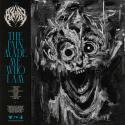
The defining characteristics of WCGD performers are less to do with instrumentation than attitude: forthright, political, idealistic and declamatory, with lyrics that have something urgent to say. “Abraham”, released very successfully as a single last year, is a searing, funk-rock power ballad with edgy lyrics that are part messianic, part menacing, fusing biblical imagery (Jerusalem, Bethlehem, Lazarus) with political protest: “Brothers need to stand up!”. “More Than This” demands to know (as many liberal Americans must be doing right now) what happened to their promises of a better world. “Heartbreaking Efforts of Others”, though also a political song, is dominated by Mosley’s exquisite bass solo, in which acoustic acrobatics are married with seductive use of the distortion pedal, evoking dynamic political action more effectively than a lyric. For a debut solo album, it’s a strikingly mature work.
There’s as much soul and funk in Mosley’s work as there is jazz, and he proves himself to be more interested in a compelling sound than genre-boundary purity – though that is, in itself, a jazz attitude to be proud of. Improvisation, such as it is, has to serve the album’s political and aesthetic message. This is a very substantial work, both fiery and durable, which harnesses the most potent traditions of black American music to some of the most urgent social and political questions of the moment. Meet Miles Mosley, jazz saviour 2017.