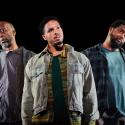
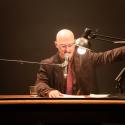
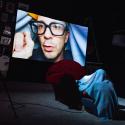
I was invalided out of the army in 1986. I’d been an army scholar through school and had a bursary at university. I went on to drama school then became an actor, and subsequently a writer and director. But I’ve always been passionately interested in how the military, and the people in it, are portrayed to the wider world.
My first play Our Boys, about my experiences being invalided out of the military, was revived in the West End in 2012. One of my first big roles was as Sgt Chris McCleod for two series of ITV’s Soldier, Soldier. With awareness of PTSD being greater than ever, I thought it was about time to write a play that looks not just at how we cope with it but how we try to move the agenda on from awareness to finding positive, affirming ways of tackling the terrible effects on the people suffering this debilitating condition, and the families around them.
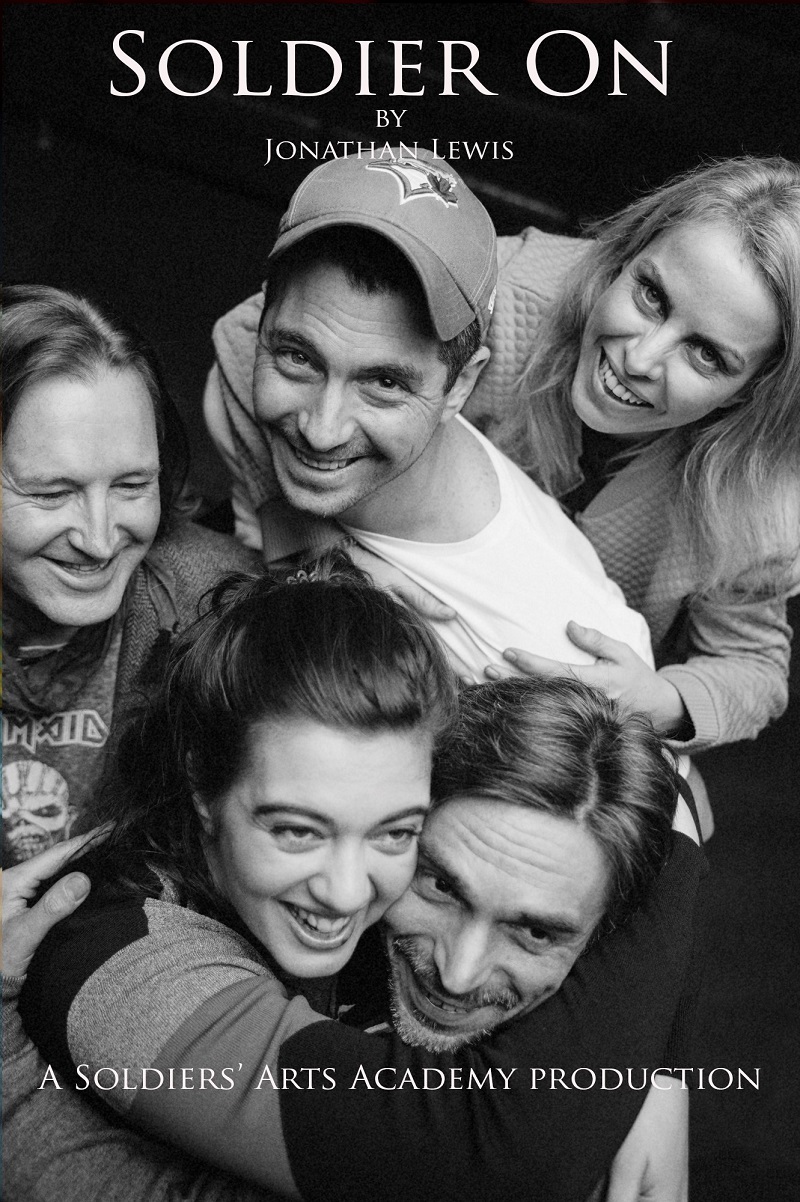
What I discovered during the process of research, and then writing and rehearsing my play Soldier On, is that to engage people who have mental health issues as a result of their military service in the art of making and telling stories is extremely beneficial and healing. “Life affirming”, “unique” and “incredibly special” are some of the words and phrases that keep being said by the people taking part.
 The Ancient Greeks had a way to process the trauma of conflict and war. They would light a bonfire at the end of battle and survivors would share their stories and memories of what had happened. They would honour those who had fallen, on both sides. It now appears that creating a shared narrative helped them to make sense of the chaos and terror. The modern warrior, on the other hand, has been told to keep it all inside, to “not let his or her mates down”. Many of the actors shared their experiences with me and felt that this bottling up of emotion was a key component in the initial development of their PTSD.
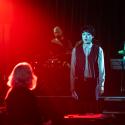
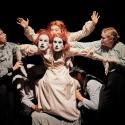
I started working with the group from the Soldiers’ Arts Academy at the beginning of 2017 through regular workshop events. I was very keen that we bring in music and movement/dance and create a chorus-type effect by having a big cast. I was very struck by Gregory Burke’s play Black Watch, its commitment to authenticity in a poetic and heightened landscape. In some ways Soldier On will have its roots in that tradition.
 The positive changes I’ve witnessed the year have been incredible. By focusing everyone on the creative process, we’ve found a number of similarities between the acting and military worlds: being part of a team, the sum of the parts being greater than the individual, but each member of the team having a vital part to contribute to the success; putting on a costume, learning and rehearsing. But most of all it is the sense of family and camaraderie that has been most evident.
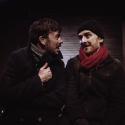
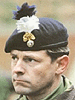
The play will be performed by a mixture of professional actors and veterans, with the actors mentoring their military counterparts through the process. To raise the show’s profile we are holding a fundraising gala on 15 November, prior to a tour in early 2018 ending in a three-week run in March at the newly opened Playground Theatre in Ladbroke Grove, west London, to coincide with the commemorations for 1918. Raffle prizes on offer at the gala include a week at an amazing house by the sea in Mawgan Porth, north Cornwall, and wait for it… my King’s Own Fusiliers beret from when I was in Soldier, Soldier (pictured above left).
- Soldier On is at the Playground Theatre in London until 31 March, then York Theatre Royal from 4 to 7 April and the North Wall Arts Centre in Oxford on 19 and 20 April. Book here
- Read more First Person articles on theartsdesk