In the time of composer John Gay, greed and self-interest were the main motives for life; and his work The Beggar’s Opera is an open critique on the way that society behaved. The work’s opening number sets the tone, basically saying: “we all abuse each other, we all steal from each other, we all want to get as much as we can and to hell with everybody else.”
As the story develops we get endless examples of this attitude – particularly from the status quo officials who don’t seem to care where their money is coming from or whether people are innocent, so long as their pockets are lined. Yet despite the grim outlook, The Beggar’s Opera is full of humour, which John Gay makes possible by wonderfully inverting any semblance of morality. (Carsen pictured below by DR).
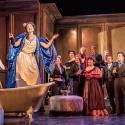
 The work is also a satire on the opera-going tradition of the time: instead of using the grandiose characters of Handelian opera – kings, princes magicians - Gay has made the entire cast of characters come from the low-life London of the time – thieves, criminals, prostitutes and crooked officials. By doing this he is setting the audience in real life; not fantasy.
When Ian Burton and I began working on this production, we looked at society in the 21st century and, wherever we could, we adapted what was in the original for an audience of today. As it happens, a lot of it hasn't changed that much! For me, The Beggar’s Opera still has great resonance because I think the society we're in hasn’t changed much since John Gay’s time. It is still instructing people, in the most insidious and direct way, to try and get as much money as they can.
It's leading to more and more people becoming unhappy - not to mention the huge worldwide issues of refugees – and the message in this work is that relentless greed and behaviour motivated by greed is not the answer.
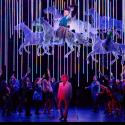
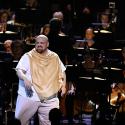
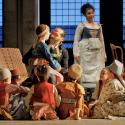
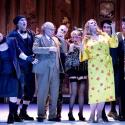
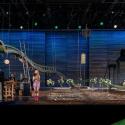
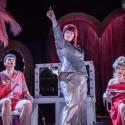
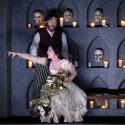
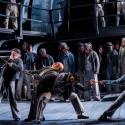
In this production, we have updated the setting to the London of today. We’ve done this to keep the same irreverent spirit of satire being something the audience can connect to immediately and share in, rather than be a museum piece where you don’t know what’s being talked about. It's the corrupt people within the official system taking advantage of the political system and of their privileged position within it who are aimed at the most intensely in The Beggar's Opera, and that's why the audience find themselves empathising with the criminals!
It may not be a Marxist cry to get people out on the street, but I hope it makes people reflect on how they behave with each other in this age of greed.