classical music reviews
Matthew Wright

Still only a year out of college, the diversely gifted trumpeter, composer and bandleader Laura Jurd has risen rapidly to prominence, enterprisingly bypassing the ritual of hanging around to be noticed by creating her own scene and ensembles. One of these, the Chaos Collective, this week curated a small festival in which another, the Chaos Orchestra, last night performed a range of new work. Most hotly anticipated were the arrangements of Stravinsky’s Rite of Spring, celebrating the centenary of its first performance.   

edward.seckerson

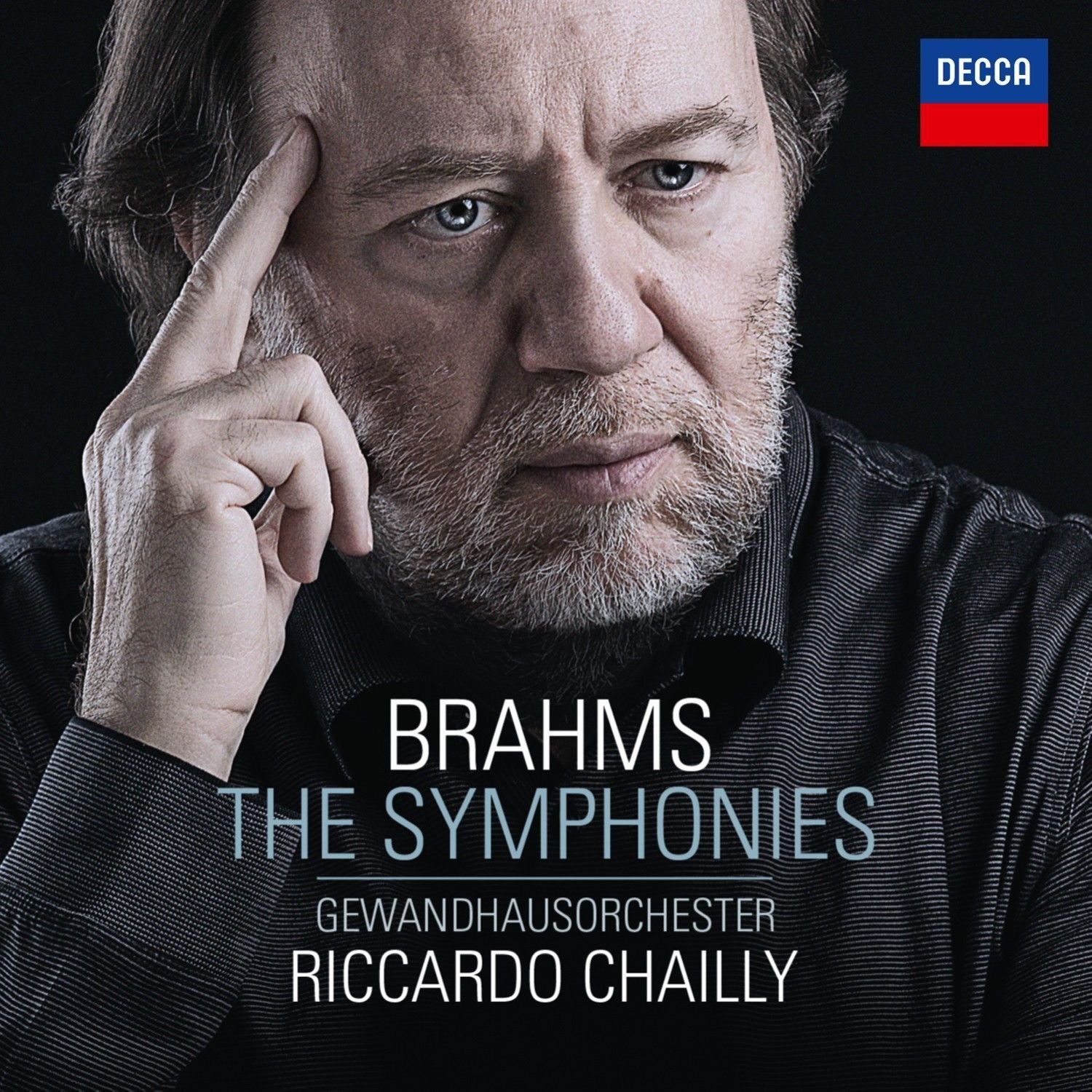
For the Leipzig Gewandhaus Orchestra’s second residency at the Barbican Centre Riccardo Chailly pulled focus on an entirely new sounding Brahms. Gone were all those bad performance practices, bad habits, from the early 20th century, gone was the lingering romanticism, the willful soupiness, and in with a vengeance came a classical rigour, a lean and hungry vitality.

graham.rickson

I’d not previously identified much comedic potential in Mahler’s gargantuan Sixth Symphony, a piece which would feature prominently in many people’s lists of most depressing works. Which presumably explains why this astonishing concert wasn’t a sell-out, and why the prevailing gloom prompted a fair few audience members to make an intrusive dash for the exit before the double basses sounded their final pizzicato.

graham.rickson


Brahms Beloved: Symphonies 2 & 4, Clara Schumann Lieder Orchestra Sinfonica di Milano Giuseppe Verdi/John Axelrod, with Indra Thomas, Nicole Cabelle (sopranos) (Telarc)

David Nice

Milton Court’s new concert hall is a mighty small space, but the BBC Singers under their chief conductor David Hill were determined to launch their residency there with a musical epic of world events from Genesis to the post-nuclear era. And they carried it off triumphantly, if with some ear-singeing resonances, in American works from the last 66 years ringing with bright tonalities. The real surprise was to find Nevadan choral guru Eric Whitacre reaching for the stars as confidently, if not as consistently, as Steve Reich in his 1984 masterpiece The Desert Music.

edward.seckerson

Britten’s innate theatricality shines through every single bar of his War Requiem. Atmosphere, drama, suspense, and high emotionalism are to a greater or lesser degree written into the piece (something which the naysayers always latch on to).

graham.rickson


1024x768

Sean Hickey: Cello Concerto, Clarinet Concerto Dimitry Kouzov (cello), Alexander Fiterstein (clarinet), St Petersburg State Academic Symphony Orchestra/Vladimir Lande (Delos)

Mark Valencia

Toby Spence’s recovery from thyroid cancer is a cause for rejoicing, but surely it’s time we focused our attention back on his work rather than his medical condition? Apparently not. The pre-publicity for this Wigmore Hall recital made great play of the “profound insights into the human condition” that the singer acquired during his convalescence – a claim that must have ladled extra pressure onto him as he prepared his programme.

alexandra.coghlan

L’Arpeggiata are everything that crossover should be and everything that this arranged marriage of genres so often isn’t. The work of lutenist Christina Pluhar and her band of period musicians is organic and authentic, a blend of musics that amplify and enrich one another, a conversation between friends and equals.

igor.toronyilalic

There’s been a lot of backslapping over the success (so far) of The Rest is Noise festival, the Southbank’s year-long trawl through the music of the 20th century. They’re particularly pleased about the numbers of ignorant musical souls they’ve managed to convert over the past half a year. I hate to break it to them but getting a return on the music of the first half of the 20th century (which has included a surprising amount of barely 20th-century Elgar, Vaughan Williams, Strauss and Sibelius) is the easy bit. Last night we reached the 1940s and 1950s.