

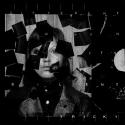
What was that about the difficult second album? If you thought Ground of its own, Sam Lee’s Mercury-nominated album of 2012, broke new and fertile ground for traditional folk music, then you’ll find The Fade of Time even richer, even more musically ambitious. Here on this 12-track disc is an evocative and heady brew of global influences, featuring the koto, conch, uke, banjo, hunting horns, Jew’s harp, a variety of brass and strings, and wow, not an acoustic guitar to be heard. If you think you know folk, then you don’t know Sam Lee.
Sampled sounds, from mineral to animal, archive material of early a cappella recordings, and clips of interviews with mentors who have passed these songs down in the oral tradition are imaginatively deployed. Lee has gathered his material from his country-wide wanderings, as he did with his debut album, and as he has from his own mentor, the late Scottish Traveller Stanley Robertson. He’s also written a brief note for each song, outlining, as far as is known, its personal history, and how he came to learn it.
Clearly, Lee is far from wedded to musical fidelity or any notions of historical authenticity, but aims to express a distinct flavour and colour with each song. The popular Napoleonic ballad “Bonny Bunch of Roses” is an utterly unique arrangement on which you'll hear an archive recording of Eastern European cantorial singing, before the deep percussive instrumentation leads us to Lee’s rich baritone.
“Moorlough Maggie” begins with cascading Koto notes, like a waterfall in a Japanese garden. It’s spare and delicate, quite unlike opening track “Johnnie O the Brine”, which is all pulsing tarantella rhythms, rousing hunting horns and sounds of keening wild creatures.
With arrangements this musically adventurous, you might fear that the poetry and drama unique to each song would be drowned out, but Lee is adept at drawing out the dramatic narratives of these ballads, as he does so affectingly in “Blackbird”. Produced by Penguin Cafe's Arthur Jeffes and Jamie Orchard-Lisle, this is an album that gets richer with each listen.
Overleaf: watch the video for “Blackbird”





Add comment