Can a portrait really be a portrait if we can’t see a person’s face? And what if the reason we can’t see their face is that it is covered with a lump of dough? Is it a joke? And if it is a joke, is it on us or them? Or perhaps it is a joke about art itself: doughy masks aside, Dahlgaard’s portraits are in every other way conventional, and dough is not so dissimilar to clay, a venerable material in the history of art.
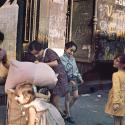
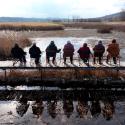
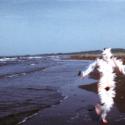
As ludicrous as the project undoubtedly is, Danish artist Søren Dahlgaard’s photographs are remarkably effective in their interrogation of portraiture, challenging our preconceptions about the relationships between artist, subject and viewer. This selection of images from a book documenting this ongoing project reveals the dough portraits as silly, sensitive, insightful and clever. Above all they are collaborative, relying as they do on the active participation of both artist and sitter.
While Dahlgaard sets up the shot, he explains that: “The subject chooses their own lump of dough, kneads and shapes it as they wish, and then places it on their head. What is striking is that each lump has a different shape and expression.” Falling like hair, echoing the texture of a fur collar, or tracing the contours of a face, the dough both conceals and reveals the person beneath.
- Dough Portraits is published by Art / Books, £24.99 hardback www.artbookspublishing.co.uk
Click on the thumbnails to enlarge