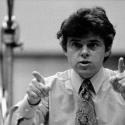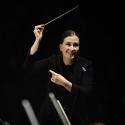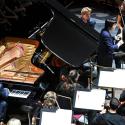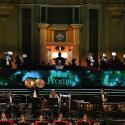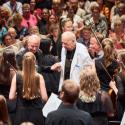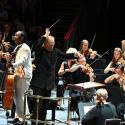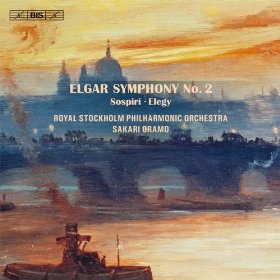
Hearing such authentic Elgarian sounds from a Swedish orchestra under a Finnish conductor may surprise, but Sakari Oramo specialized in British music while leading the CBSO so you’d expect nothing less. This is a spectacular performance of Elgar’s 2nd Symphony, so good that one’s only niggles concern the work itself, and how the first three movements lead to a finale which so conspicuously fails to wrap up what’s gone before. Oramo’s performance is nicely paced. Timings reveal that this isn’t a swift reading, but it flows beautifully, Oramo understanding exactly how to gently pull the tempi around without sounding indulgent. He really nails the spooky interludes which disrupt the first two movements, each one a shimmering, harp-flecked nocturne, with Elgar’s exquisite string writing milked for all its worth. The scherzo is brash, raucous and unsettling.
But then there's that peculiar finale, sounding, as always, as if it's been tacked on from another work. I’m still waiting to be convinced, though Oramo nearly did it for me. Lovely to hear those Straussian horns let rip in the central section, and we get the optional organ pedal in the reprise. The ending is wistful and unsettling, but still left me unsatisfied. All superbly played and brilliantly recorded; you hear the work as part of the late-romantic European tradition, not an unsettling blast from a cultural cul-de-sac. Two short pieces for strings, Sospiri and the Elegy, are welcome, melancholy extras.
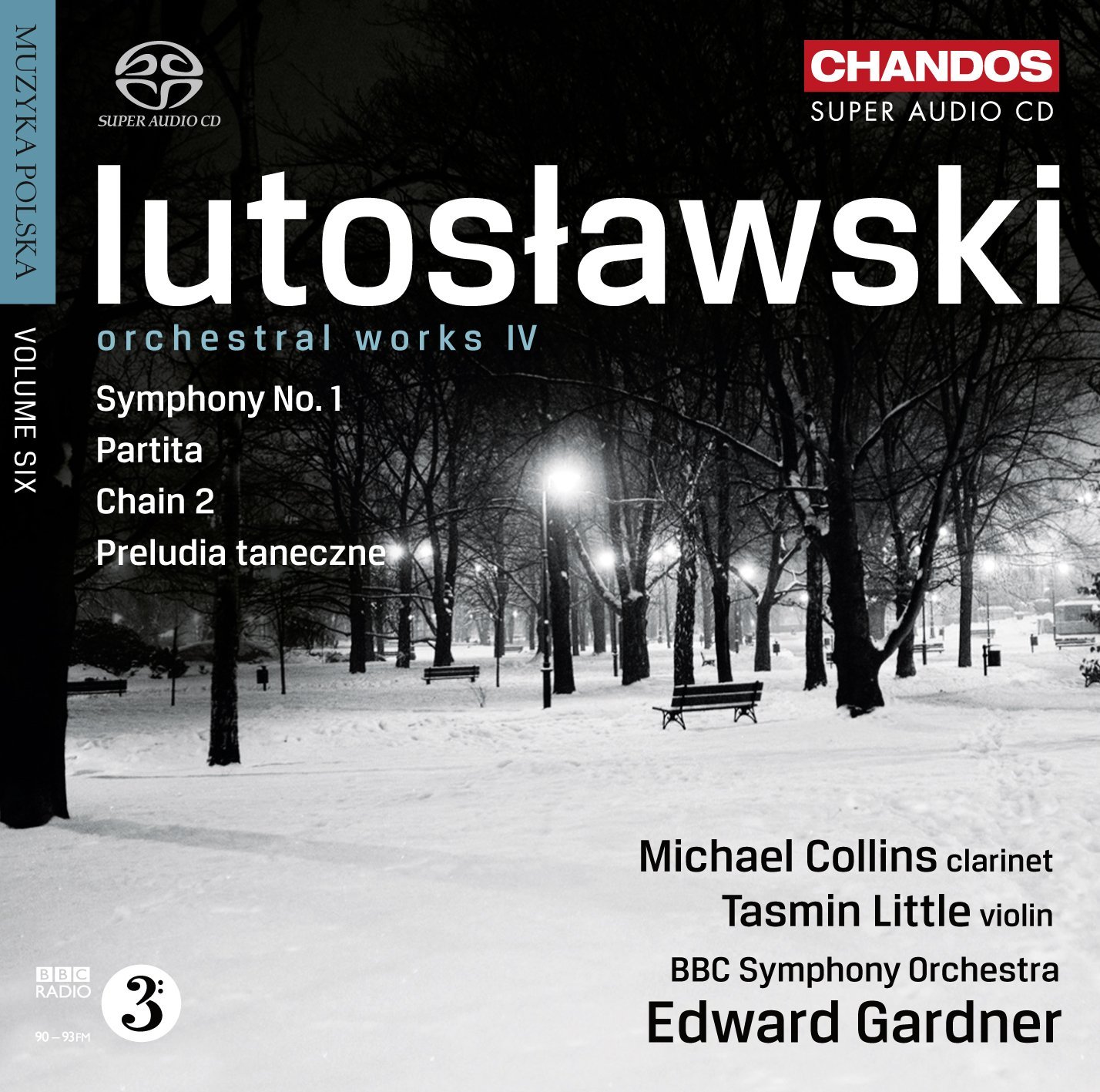
Lutosławski fans should by now have snapped up Esa-Pekka Salonen’s recent complete set of the composer’s symphonies on Sony. They should also invest in this Chandos disc. Lutosławski’s compact Symphony no 1 was first performed in 1948. A year later, the Polish Deputy Minister of Culture banned the work, suggesting that its composer should be thrown under a tram as punishment. Lutosławski always regarded its brash and brassy energy as positive. Edward Gardner’s effervescent, propulsive reading makes a brilliant case for the symphony, the aggressive swagger always offset by a beguiling splash of colour. Lutosławski’s gifts as an orchestrator were already fully developed, and the work is a brilliant precursor to the better known Concerto for Orchestra. Among the couplings are the five Dance Preludes in the arrangement for solo clarinet and orchestra. They’re irresistible, folk-influenced miniatures, teeming with invention and wittily delivered by Michael Collins.
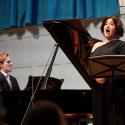
The standout work here is the 1988 Partita – an orchestration of a 1984 work for violin and piano, which brilliantly fuses this composer’s early and mature styles. Three brief interludes remain scored for piano accompaniment. The central Largo is the highlight, and the work’s abrupt coda sounds both triumphant and disquieting. Tasmin Little is a big-hearted soloist, and she also gives us Lutosławski’s Chain 2. Both pieces are stunners, and excellent entry points into this composer’s deeply personal, accessible brand of musical modernism.
Hans Rosbaud remains an unsung hero among 20th century conductors, remembered, if at all, for his advocacy of contemporary music. Francis Poulenc said that “music buffs believe that the greatest living conductor is Toscanini; musicians know that it is Hans Rosbaud.” Rosbaud died in 1962, having spent many years at the helm of the Sinfonieorchester des Südwestfunks in Baden-Baden. There, more generous rehearsal times allowed the conductor to polish crystalline readings of what was then considered to be outré repertoire. Rosbaud’s disc of Stravinsky’s plotless final ballet Agon was taped in late 1957, just a few months after the composer’s own recording. The mono sound is a little constricted, but the ears soon adjust. This is a musically compelling, peculiar work, notable for charting Stravinsky’s growing fascination with serial techniques.
We’re led from the opening’s stark, tonal trumpet fanfares into music of bewildering complexity. The transitions between sections are brilliantly managed, and the piece always sounds like vintage Stravinsky, with the thorniest of 12-note melodies given life by this composer’s rhythmic zest. Rosbaud’s handling of the delicious gaillarde is perfect, giving shape to a passage which sounds like a snatch of Elizabethan dance music played backwards. All is lucid and transparent. Every significant detail registers, in an elaborately scored work lacking any tutti passages. This would be an essential purchase – the reprinted sleeve notes stand up well, and Wergo’s minimalist presentation is attractive. But, inexplicably, there’s no coupling, and paying full price for less than 30 minutes of music can’t be right .