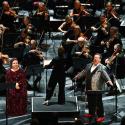
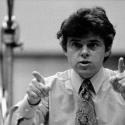
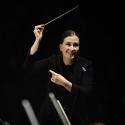
Tired after a hard day at the office? You might think you need a Classic FM-style warm bath, but the blast of Prokofiev’s Second Symphony, one of the noisiest in the repertoire, is the real ticket to recharging the batteries. Gianandrea Noseda, on the latest stage of his bracing journey through the composer’s symphonies and embracing the London Symphony Orchestra’s hugely popular Half Six Fix series, served it up with panache both in word and deed.
The sweetener was the overture the 23-year-old Schubert furnished both for a “magic play with music”, Die Zauberharfe (no harp in the orchestra here, incidentally, nor in the Prokofiev), and the incidental music to Rosamunde, in which context its livelier sequence of splendid lilt is best known. Noseda made a grand start, but the LSO woodwind were soon willing to be as personable as Schubert knows how, and the melodies duly sang. Shame about the random camerawork for the films on the two screens to the side, but those were quickly forgotten.
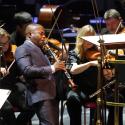
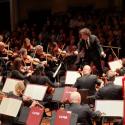
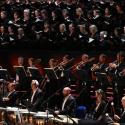
Then Noseda, suitably charged up, was off on a delightful whistle-stop tour of Prokofiev’s self-styled “symphony of iron and steel”, a complicated affair for fashionable Paris in the mid-1920s. He helped us, in style part-prepared, part vivaciously spontaneous (basso voice included to announce low against high), by isolating three sonorities from the first of the two movements, a ceaseless racket in need of enlightenment. We got the first main theme, in hair-raising articulation on the violins – not pretty, as Noseda commented, but impressive – as well as an orthodox chant from hell, paving the way for the infernal opera The Fiery Angel, on cellos, basses and lowest woodwind as well as a fascinating slice of hallucinatory woodwind texture (lower strings pictured below in the previous week's concert). 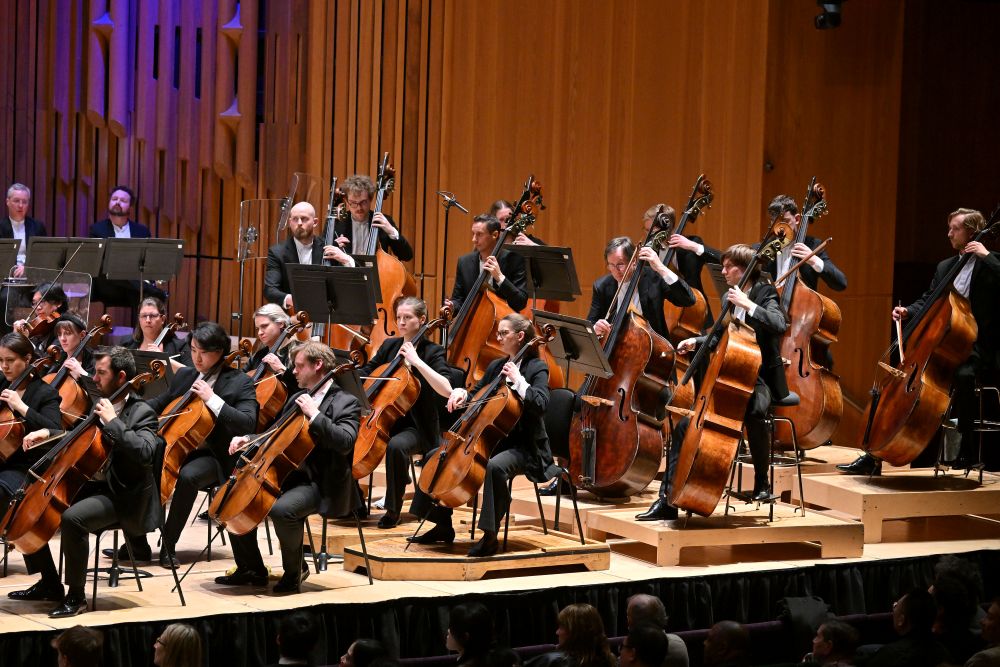 The exposure of the chant had me thinking: in what is in fact a conventional sonata-form structure, why does Prokofiev not bring back this “second subject” in its original colouring during the recap (a solo trumpet, the superb James Fountain, transforms it, emphasising the bluesy-ness)? And the answer comes in the sixth and last of the second-movement variations: he wants to make a grand symphonic statement by combining its original bass-heavy colouring with the initially-wistful theme that starts and ends the movement so poetically (outstanding work from oboist Olivier Stankiewicz). Kudos to Prokofiev for knowing where to place the climax of the entire symphony, just when you thought he couldn’t outdo the raucousness of the opening Allegro ben articolato.
Noseda’s legendary spring-footedness didn’t spare us the full weight but kept textures as clear as they could be, with vivid inner lines, and relied on trumpets especially to blister our ears with high lines and nasty semitonal clashes. There was urgent continuity, too, in the hallucinogenic variations. This was as good as it gets in what is, for all its development of the Scythian Suite's aggression and foreshadowings of The Fiery Angel as well as symphonies to come, a total one-off.
- Repeat performances alongside Beethoven's First Piano Concerto with Pierre-Lauren Aimard tonight (Thursday 10 April)
- David Nice is the author of Prokofiev: From Russia to the West, 1891-1935 (Yale University Press)
- More classical music reviews on theartsdesk