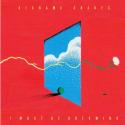
The first album from the Boston-bred songwriter Squirrel Flower opens and closes with autobiographical songs. “I-80” opens with the artist - real name Ella O’Connor Williams - giving up on lyrics, poetry and, later, giving up on love, its rootless melody channelling the road west to Iowa where Williams went to college before building to a relentless crescendo. By the album’s closer, and title track, though, Williams has embraced poetry again: the “swimming” lyric is a reference to her being born still in the remains of the amniotic sac, the shimmering heat of the hottest day of the summer of 1996 referenced both in lyrics and in languorous melody.
There is both rooted and rootlessness to the music of Squirrel Flower: the project’s name was chosen in childhood and there are flashes of origin story throughout this gorgeous debut, but its recurring lyrical motifs are of restlessness and movement, night drives and open roads. “Headlights”, a mid-album highlight, combines stream-of-consciousness introspection with a rhythmic, delicate guitar, its regular glisten like the gleam of the dividing line zipping past. “Belly of the City” is full of quiet observations, Williams’ voice reverent, almost church-like as she watches: “Midnight workers, I know the darkness of these roads as well as you do.” And “Home” brings the two strands together, filled with warmth and sleepy childhood drives.
The album’s opening lines, in which “lyrics fail” Williams, are disproved time and again, from the observational poetry of “Belly of the City” to “Streetlight Blues”, in which the dying days of a relationship, and a summer, find their metaphorical match in the truncated life span of insects buzzing around street lights. But Williams’ truth is not always told in words, her poetry also reflected in Gabe Wax’s sparse production and the mesmeric touches of her instrumental collaborators (including her blues musician father Jesse on bass). “Seasonal Affective Disorder” is no less affecting for its minimal vocals while “Rush” is wild and sparse, gentle percussion doing almost as much of the heavy lifting as Williams’ always gorgeous voice. “I don’t know what I could do if not this,” she sings on “Slapback”, the album’s darkest point, and it feels both provocative and a promise.
Below: hear album standout track "Headlights"