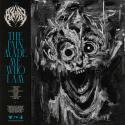
One of the great things about club music is that it deals with ageing in very different ways to rock – and as such can offer fantastic creative rebirths. Witness theartsdesk's recent startling Q&A with Mark Hakwins aka Marquis Hawkes, who'd been around the artistic block and back a good few times before achieving his current success. Or Sean Dickson – the singer with Scottish indie band The Soup Dragons, who went from Eighties psychedelic janglers to Nineties baggy-clothed ravers, then faded away. Dickson, though, took fully to clubland, is still a jobbing DJ, and has slowly and meticulously put together an album featuring (hence the title) a rollcall of countercultural vocal talent.
There's nothing new here: Dickson's production style is completely of the mid-Nineties. It's essentially straight-down-the-line internationalist house music – some of it lively and glitzy, reminiscent of glitter and club podiums, but a lot of it slower than usual house, paced for poolside drinks or watching the sun rise. But with the vocalists, it becomes a glorious statement of the music's roots in black, gay and/or transgressive culture. So Bootsy Collins delivers a cosmic funk sermon, The B-52s' Fred Schneider camps it up like a good 'un, Yoko Ono offers up a spaced-out love letter to a dying civilisation, and Crystal Waters (of “Gypsy Woman” fame) sings up a storm on the gospel-pop opener “Testify”.
There's even a nod to Dickson's Scots indie roots, with Teenage Fanclub's Norman Blake channeling David Crosby with the gorgeous massed country-folk harmonies of “18th”. And the album is closed off with the heartbreakingly appropriate and benign meditation on mortality “A Kiss Before Dying” – the very final recording made by the 78-year-old Alan Vega before his death. With 13 voices on 13 songs, it inevitably sometimes loses its coherence as an album and maybe with a couple less tracks would have built a stronger identity. But there's so much joy and defiance here, so many killer hooks, and so much expression of dance culture as a place for survivors, that it deserves to be heard very widely indeed. Here's to second, third and more chances.