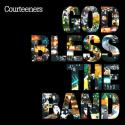
God Bless The Band feels like an unexpected encounter with your younger self. Compiling tracks from across Courteeners’ career, the collection revisits a period when British indie was less a musical category than a social world, sticky floors, packed festivals, late trains home and the optimism of believing the next weekend might be the best one yet. The nostalgia here is not simply for the music, but for the atmosphere that surrounded it.
That sense of time passing gives the collection its weight. Early favourites sit alongside later material, charting how Courteeners have gradually moved from the rawer energy of their beginnings towards something broader and more polished. “No You Didn’t, No You Don’t” still has that restless, slightly scruffy charm, while “Hurricane” and “Summer” demonstrate how comfortable the band became with writing songs that feel built for communal moments.
Several tracks have also been remastered, including “Here Come The Young Men”, “Money”, “Smiths Disco” and “Lose Control”. The treatment gives these older recordings a renewed clarity without taking away the qualities that made them products of their time. They sound better, but they are still unmistakably records from the era that produced them.
Most importantly, God Bless the Band is not purely retrospective. Two new songs, “The Luckiest Man Alive” and “Plus One Forever”, give the collection a sense of continuation rather than closure. The former carries the expansive, arms in the air quality associated with Courteeners at their best, while the latter is more restrained, allowing Liam Fray’s voice and lyrics to take centre stage.
There is little here that will surprise anyone familiar with the band, and maybe that’s the point. God Bless the Band embraces the familiarity of Courteeners without pretending the years have not passed. It is a reminder of the 2010s indie scene, but also of how strange it can feel to hear the soundtrack to your twenties from the perspective of the present. The songs have aged, as have we, but the urge to sing along still remains intact.