2013 was the year that Thom Yorke, somewhat tautologically, referred to the music business as “a dying corpse”, and Justin Bieber's manager Scooter Braun claimed that same business “doesn't exist any more.” This was slightly odd, given that it was one of the liveliest years in recent memory, with mainstream and underground pulsating with debate over big issues and big releases, and – for all the technological and multimedia proliferation which prompted Yorke and Braun's hyperbole – the actual music itself being higher on the cultural agenda than for a long time.
The most visible example of this was that this was the year of the “event album”: huge releases that got people talking from Daft Punk, Bowie, Disclosure, Drake, Beyoncé, Katy Perry, Lady Gaga, Kanye West, Miley Cyrus, Justin Timberlake. In among all the surprise releases, viral campaigns, pre-streaming, album-length videos, award show goofing, public insanity and general hoopla and kerfuffle, pulsing at the heart of it all was actual music that millions upon millions of people wanted to hear. Yes, that's right – among all the craven manglings of black culture and pant-curdlingly unsexy cavorting, Miley Cyrus (main picture) actually put an album out and it was actually not crap.
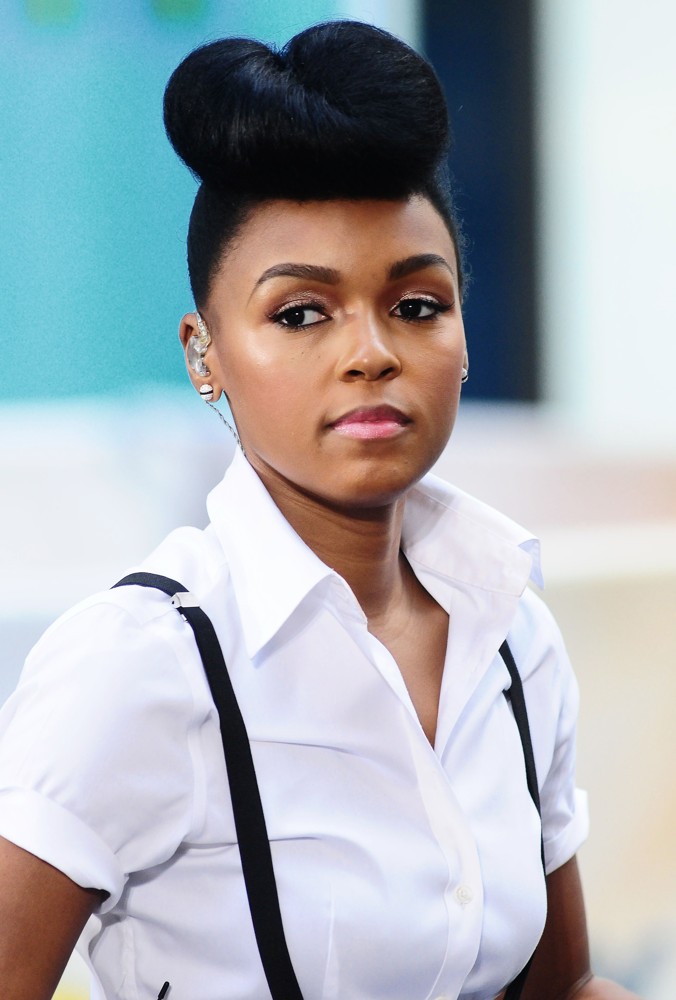 All that made the mainstream an exciting place to be. And only slightly beneath the surface there were major albums from James Blake, MIA, Depeche Mode, Fuck Buttons, Queens Of The Stone Age, Karl Hyde, The Knife, Arctic Monkeys, Janelle Monae, My Bloody Valentine, Nine Inch Nails, King Krule and dozens more individualists who were happy to demonstrate that “alternative music” was not just a sales category but still existed as a creative and multivariant area that could still generate not insignificant sales. It was a long way from the undifferentiated “landfill indie” glut of the 2000s, that's for sure.
The other big story was dance music's triumph. In the US this was a dramatic but trashy explosion, arenas filling with fake-tanned ravers, whitened teeth glinting beneath the UV as the megastars of “EDM” (electronic dance music) cultivated egos bigger than anything the 90s generation could have imagined, and Calvin Harris and Tiësto sitting pretty in Forbes's top 30 highest grossing musicians list. Over here in the UK and Europe it was a bit more “vibey” with underground house music taking pole position, and tracks snowballing from club support into bona fide UK top ten hits for the likes of Breach, Duke Dumont, Storm Queen, Rudimental and Disclosure.
Microgenres got pulled into an orgiastic game of cross-fertilisationThis too had its alternative groundswell – with this being the year that dubstep's stupendous commercial bubble finally burst, making it just one underground genre among many once more, diversity was the watchword. Microgenres old and new like neo-grime, booty house, space disco, footworking, jackin', postclassical and plenty more got pulled into an orgiastic game of cross-fertilisation, and indie rock and hip hop got drawn in for good measure. It would be impossible to list a representative sample but honourable mention must go to Jessy Lanza, Oliver Coates, DJ Rashad, Logos, E.M.M.A., John Wizards, Julia Holter, James Holden, Ras_G, Sampha and theartsdesk's own Joe Muggs (with his Grime 2.0 compilation) – as well as Thom Yorke's mate Kieran Hebden aka Four Tet who proved that reports of the music industry's demise were just as exaggerated in the left field just as in the mainstream. It was, by any standards, a vintage year.