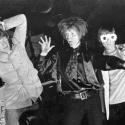
At 66 Larry Graham remains a remarkably supple, handsome man. The huge afro that once towered over him is long gone but the ability to pluck and thump the funkiest rhythms on earth from his white bass remains unmatched. Graham made his name as original bassist/bass vocalist in Sly & The Family Stone, the Bay Area band that proved such a potent force in popular music 1968-1973.
Assembled by DJ/vocalist/pianist Sylvester Stewart aka Sly Stone in 1966, The Family Stone combined men and women, blacks and whites, rock with soul. And in Graham they had their secret weapon – playing bass with his pianist mother as a teenager he had developed a unique style of bass playing involving simultaneously plucking and thumping the bass strings so to give a hard percussive thump that made up for the absence of a drummer.
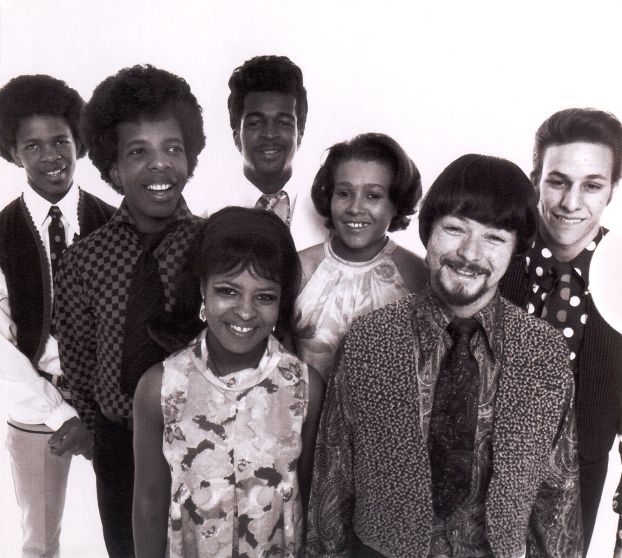 This unique bass style became hugely influential – essentially, Graham did for bass what Hendrix did for guitar, giving it a fuller, louder, more vocal (and percussive) role. That Sly & the Family Stone all shared vocals – with Graham’s deep bass voice holding down the song’s bottom – made them sound even more unique and a string of hits starting in 1968 with "Dance to the Music" and followed by such classics as "Everyday People", "Hot Fun in the Summertime", "Everybody is a Star" and "Thank You for Lettin’ Me Be Myself" – a US No 1 in 1970 and, surely, the funkiest tune ever to top the US charts? – established them as the biggest American band going. And in those heated, radical times they seemed to reflect so many possibilities – for the races and sexes and popular music itself. The Beatles had split and many music fans expected Sly’s Family to take them to the next level.
Which they did, of a sort, with 1971’s album There’s a Riot Goin’ On and hit single "Family Affair" (another US No 1). Yet this was music now drained of optimism, music that appeared to have been created by a crew so stoned they were catatonic. Even the punchy funk of Graham’s bass was replaced with a new, softer more liquid bass sound. Again, it was brilliant but things were unwell in the House of Stone and Graham and his wife fled for their lives from a hotel in 1972 – Sly had surrounded himself with ghetto thugs and a degree of acrimony between Larry and the increasingly paranoid and brutish Sly had built up to the point where it looked like the bassist might be murdered.
Heavy? Indeed those times were and Graham wisely distanced himself from ever attempting to associate with Sly again. He formed Graham Central Station and enjoyed a number of US R&B hits in the 1970s with big, simple, funky jams. Once disco put paid to funk he reinvented himself as a R&B crooner and again scored US hits in the early 1980s. He then largely dropped out of music to follow his religious beliefs – in the late 1970s Graham had converted to being a Jehovah’s Witness and for several years he lived in a Witness community in Jamaica. Yet his biggest fan was Prince who convinced Larry to emerge from retirement and settle in Minneapolis where they could work together. While this union has proven a happy one – Graham has often gone out on tour to open for Prince – the bassist retains a low profile: a London gig at Koko three summers back was his first venture to these shores in many years. And now he has his first album in 14 years – Raise Up (yes, Prince guests on three tunes) – and is back to rock that rarely used venue, the Clapham Grand, on a chilly Monday night.
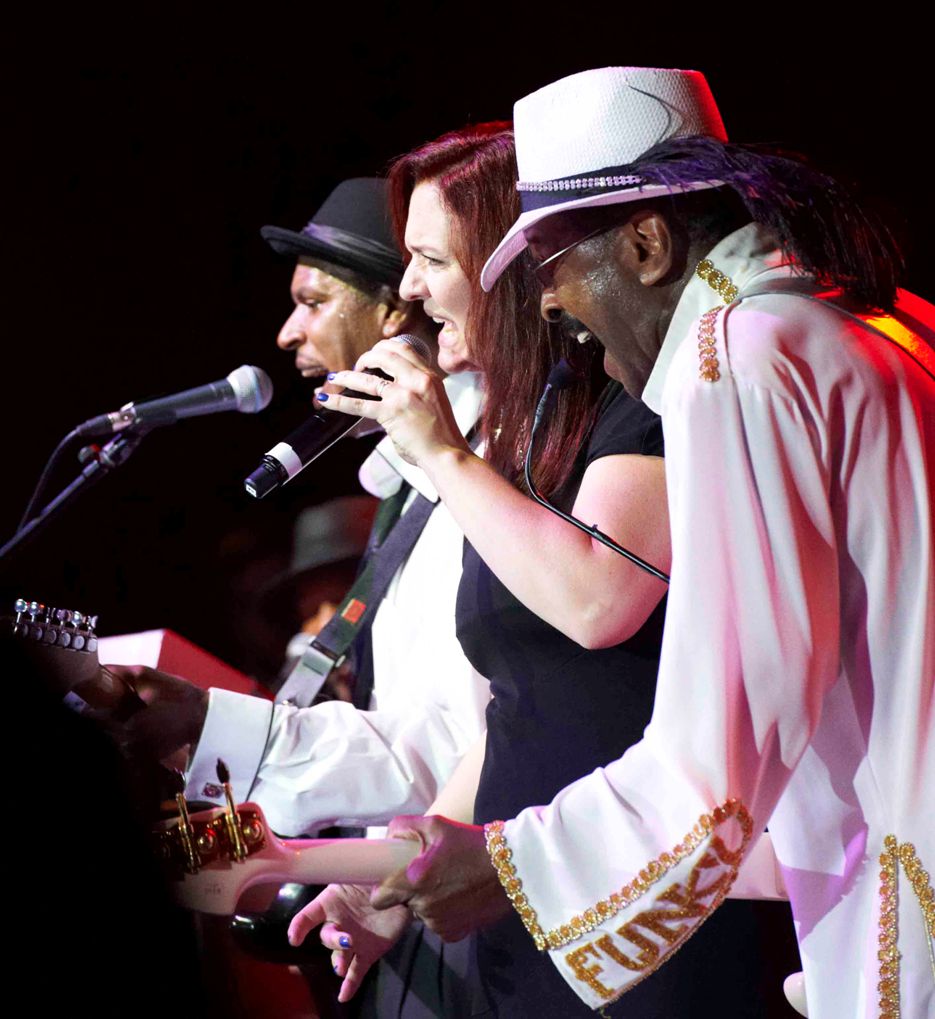 Graham Central Station are, these days, four black musicians - drums, guitar, keyboards, synthesised horns (a mistake) - and a white singer who compliments Graham’s vocals in the way male and female voices meshed in The Family Stone and Graham Central Station. Larry wears a blinding white suit and hat and leads from the front. Early numbers find not just Larry’s look but his sound locked in the early 1980s – loud drums, huge bass lines, squalls of rock guitar (admittedly, he helped create this sound) as they work through new and old Graham tunes. Versions of Ann Peebles’ "I Can’t Stand the Rain" and Stevie Wonder’s "Higher Ground" don’t add to the originals and then Larry goes into a riff on a band who came from London town and how he wants to pay tribute to them and launches into Maroon 5’s "Moves Like Jagger". You can feel the audience – middle-aged men and women who loved funk as teens when it was the fresh dance sound – collectively gasp in disappointment.
Larry then goes into a bass solo that is only impressive if you like bass solos. Finally, he launches into a medley of Sly Stone hits and the Grand erupts. Normally I’d be sniffy about medleys but the band are so tight, Larry’s bass lines so damn funky and the songs so great – "Everyday People", "Dance to the Music", "Family Affair", "If You Want Me to Stay" and such – that the music is positively transcendent. The concert continues with young musicians invited on stage to show their chops and then the crowd allowed to join the band on stage to dance. It’s showbiz stuff but Larry and co exude such good vibes you can’t help but feel they really do want to embrace their audience. The finale is "Thank You for Lettin’ Me Be Myself" that finds each member continuing to sing as they put down their instruments until it is simply just a capella and cowbell. Perfect. Encores are "Now Do You Wanna Dance" (a Graham Central Station hit) and Sly’s "I Want To Take You Higher". As the concert finishes and we drift out into the chill South London night we all are a little higher from the funk.
Sly and the Family Stone perform 'Stand'