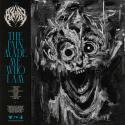
Real-life couple Graham Coxon and Rose-Elinor Dougall are both musicians of some profile in their own rights. The former, especially, for his work with Blur. Their band The Waeve is a relatively recent development but they’ve thrown themselves at it with verve since their appearance a couple of years ago.
City Lights is their second album, a year-and-a-half after their first. Once again produced by James Ford, it’s a tonally bewildering collection with moments that shine. Mostly, it sounds like two talented and imaginative musical creatives having fun, sharing vocals, and revelling in what they’re up to (just check out the delicious instrumental interplay at the end of “Druantia”). They appear unconcerned with a musically cohesive listening experience, although the last third of City Lights, the best bit, settles to an opulently hazy, multi-tracked 21st century sally at psyche-folk.
That is not where things start. The opening title track, splashed with Coxon's sax, comes on like one of those major label-scouted chancers who jumped on the end of late-Seventies new wave, edgy-guitar-tight but slick, like The Knack or The Motors. This is a direction they return to on “Moth to the Flame”, which is redolent of Magazine (or possible Howard Devoto’s later, lesser-known Luxuria), while “Broken Boys”, laced with minor key synth, is positively punky.
Unexpectedly, City Lights is at its best on slower, more thoughtful material, notably the Strawberry Switchblade-ish lushness of “Girl of the Endless Night”, which might possibly be Dougall reflecting back on the disconnect between her current self, a new mother, and her gregarious, social animal past. “Song for Eliza May”, for her daughter, sounds even less promising. Musicians writing about their children is usually a recipe for sop, but this initially acoustic strummed number blossoms into a song that’s rich and lovely.
The Waeve do not really have “a sound” but they remain a worthwhile proposition. For now, they’ve once again created a cherrypicker of an album, but there’s the feeling they’re working towards something more definitive.
Below: watch The Waeve play "Song for Eliza May" live in studio