For many thousands of years, humans have turned to art to tell stories about themselves and others because it feels good. It feels good because we sense that it helps us to understand ourselves, and the sharing of these uniquely human stories brings us closer together, and then this bonding, amongst many benefits, increases the safety of our community – humans were quick to realise that we are stronger together.
The very act of finding the right notes, colours, words to express something from deep inside that cannot seem to come out in any other way, has a magical effect – if you think about it, it’s quite miraculous that in the case of music, different frequencies of moving air hitting your ear drum can have this effect.
There have certainly been performers for a long time – ancient Greece had music contests; the troubadours travelled the world for many centuries during medieval times and probably before – but the transition from music being a communal activity to something that certain people perform to certain others who listen has taken many hundreds of years. And of course both still exist.
But once upon a time, music was really only for healing – a communal activity, for healing in the sense of the root of that word, to make whole.
 I know this partly from having spent time with musicians from the Kogi people of Colombia. The Kogi were thought to be a myth until they were "discovered" by a BBC film crew in the 1970s, and it’s fascinating to talk to them about their culture, which has evolved entirely without outside influence. They told me they had no concept of performance – not even a word for it – and music was only ever an activity undertaken together in community, with dance, to celebrate and mark important moments in the life of their tribe.
There are also many treatises written by ancient Greeks and Chinese over 2000 years ago that go into sometimes surprising detail about what music is for, and how it is used to heal various ailments as well as to calm the emotions of the people and bind communities.
It is this property of music that, in today’s parlance, is so good for our wellbeing. And it is these properties of music I was invoking as I wrote Light Stories.
As well as composing being a long and deeply held dream, it was a cathartic process to create this music. Light Stories, stories of a journey from darkness to light, operated on many levels. I’d been wanting to compose for many years, never quite finding the right moment, or the right project. I’d been wanting to record at home and learn studio techniques, learn how to use Ableton, the German DJ software that is so powerful in a live context. And I’d been wanting to find a way to tell the story of how my life nearly went terribly and dramatically wrong as a teenager and how I escaped into a life-saving world of music. All of these desires and dreams came together in Light Stories.
It was a huge undertaking because so many of the elements were new, but I love a big complicated project and had a ball. It was pretty much full time for the last nine months, and at the start of that period, around New Year’s Eve 2023/4, I made a resolution that I would enjoy the process as much as I possibly could. It would be so easy to get caught up in "how good is this?", "what is everyone going to think?": the kind of mindset that could harm the essence of what I was trying to do. So it felt important to stay focused on the process, understanding, also, that we are way more effective when we are happy, and more creative when we feel free.
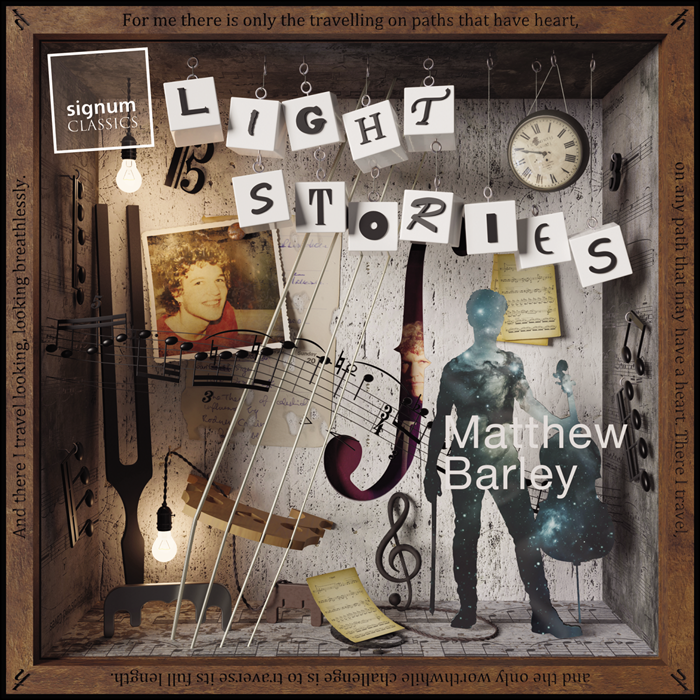 The album is conceived as one story – one sweep of energy. Although there are ten tracks it is really intended to be listened to in one go, like a film, which you would never split into scenes and watch one by one. It’s only 45 minutes long, but is an intense journey in that short time.
After an opening that introduces musical material (notes, chords, shapes) that underpins the whole album, the music paints pictures of my childhood and where I came from; my difficult teenage years (whose teenage is not difficult?); my brush with death in the form of a psychotic episode during a drug overdose dealing with those foundational human fears of death and insanity; my life as an adult with music woven into the fabric of my life; a profoundly frightening experience in a Brazilian church with the psychedelic medicine called ayahuasca; and the subsequent healing and integration of these experiences into my life, ending with a dancing celebration.
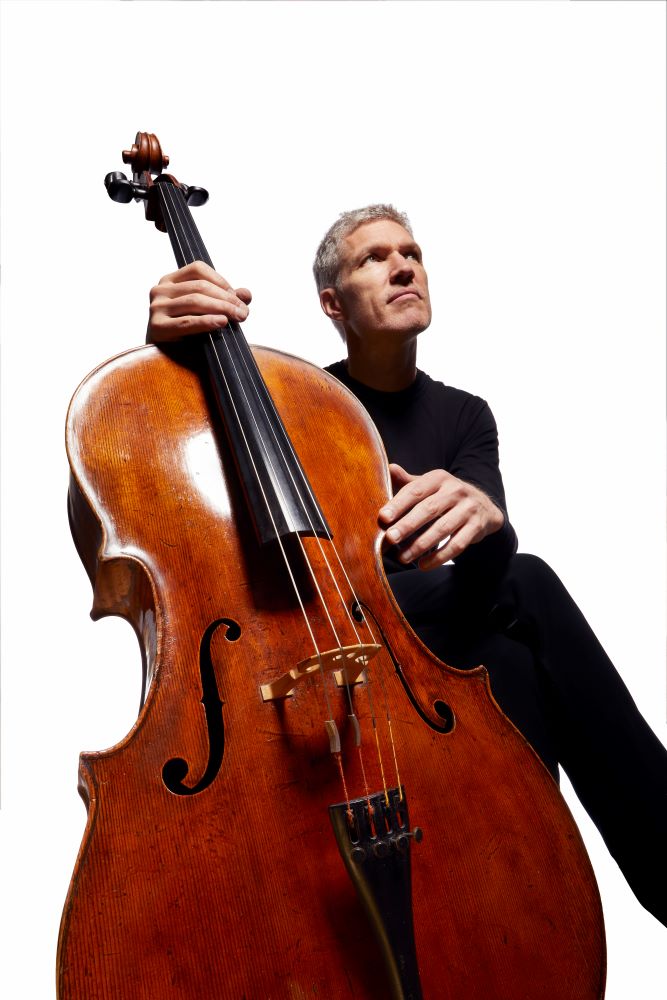
There are two tracks that I didn’t write (Giovanni Sollima’s exquisite Hell 1, and Bach’s timeless Ich Ruf zu Dir) that fulfil specific functions in how the journey flows: the first offers a new colour of sound and melody that is exotic and beguiling, helping us on our adventurous way forward; and the second offers us consolation and solace after catastrophe in the way that only Bach can. (Pictured below by Nick White: Barley with Beethoven's death mask) 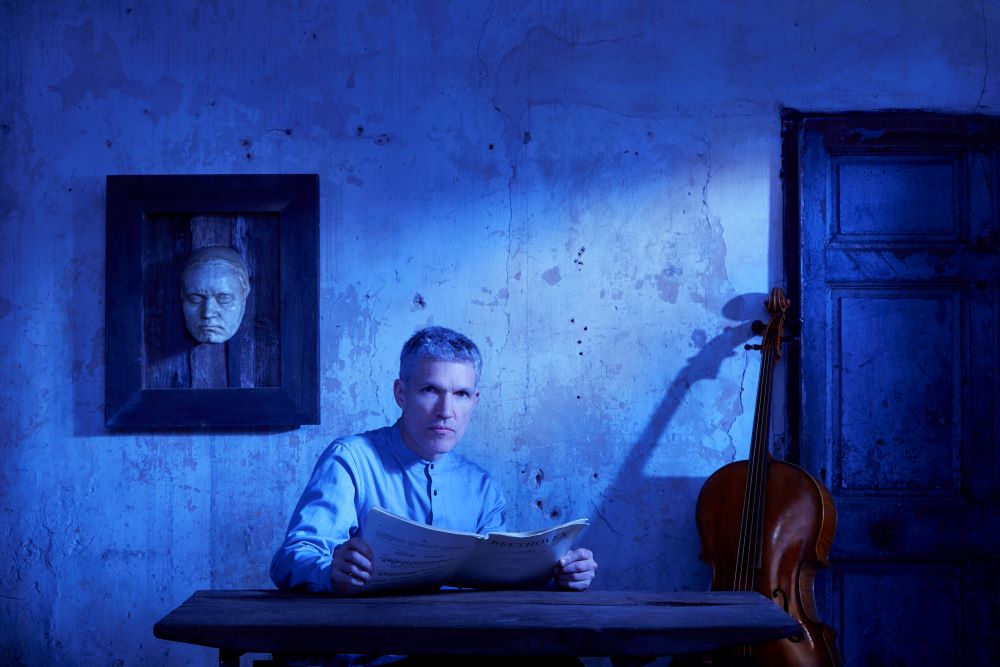 This story is simple when reduced to its basics: A scene is set, the protagonist sets out, adventures are had, things go terribly wrong, and a miraculous quasi spiritual intervention brings healing, resolution and a happy ending. It is a template that we have been using in stories for many thousands of years, I would guess, simply because it is a story that keeps happening to us in real life, over and over again (those interested in this theme, read Christopher Booker’s The Seven Basic Plots).
It is a huge privilege to be able to create and record music and I’m very grateful to all the many people who helped me in this endeavour.
And long live the magical, mystical, miraculous force that is music!