Happily, there’s hope for Spiral junkies – as series six ends, we bring you news that series seven has just gone into production. This is just as well, because these last dozen episodes have been an object lesson in how to make TV drama for the mind and body, nimbly evading cop show genre-pitfalls to bring us carefully-shaded characters operating within a Venn diagram of overlapping grey areas. Big kudos, yet again, to showrunner Anne Landois.
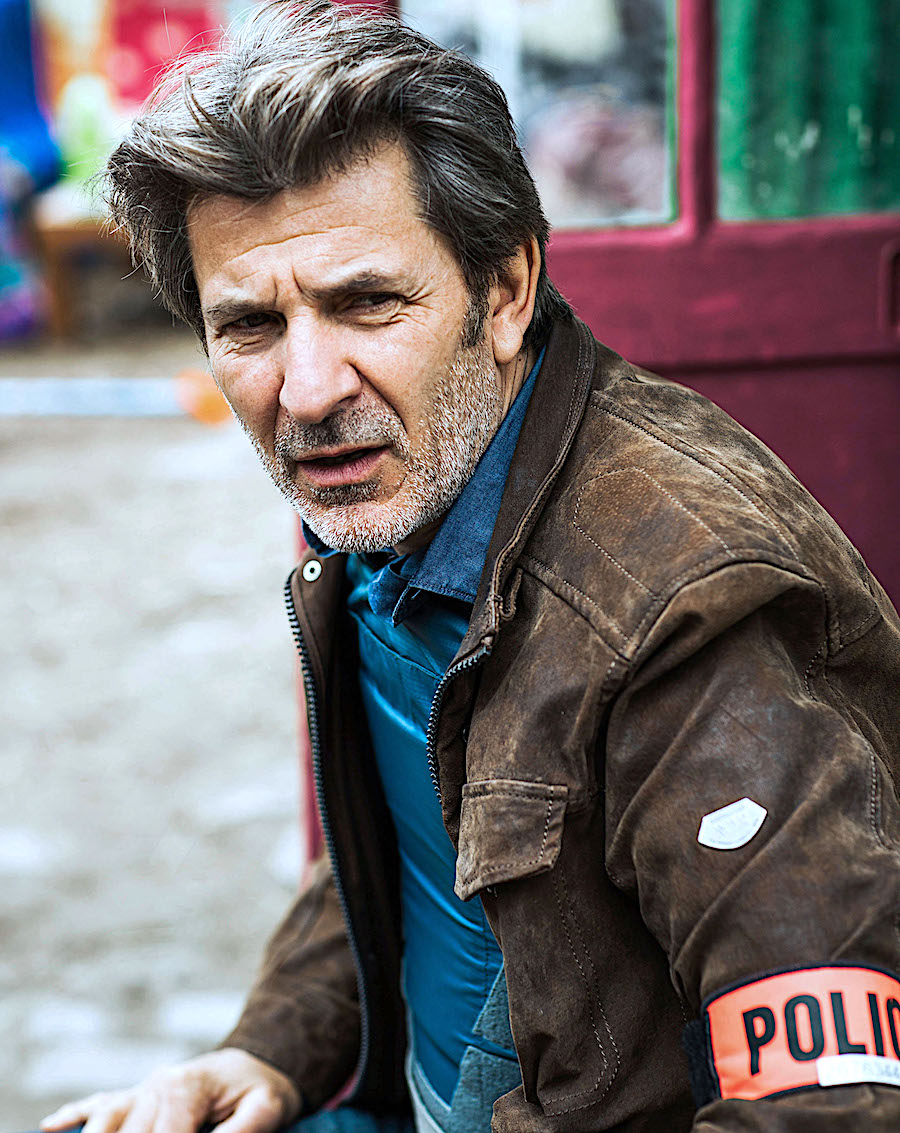
Looking back at publicity photos from previous series of Spiral (the first one was shown on BBC Four in 2006), it’s shocking to see how much the cast have aged. Mind you, so would anybody in their line of work (“it’s not the years, it’s the mileage” as Indiana Jones would have it). This season, we’ve had Captain Laure Berthaud impaled by existential doubt about how she can ever be a mother to baby Romy, fiery lawyer Joséphine Karlsson brought to the brink of personal and career ruin by a date-rape outrage, and Laure’s right-hand man and now lover “Gilou” Escoffier near-fatally compromised by his idiotic theft of gold ingots from a crime scene. Their old team mate “Tintin” Fromentin (Fred Bianconi, pictured below), a solid cop who’s consistently underestimated, thinks his comrades have crossed the line and has quit Berthaud’s CID unit in disgust.
 Several important threads were left dangling at the end of the series, but the plot isn’t as important as the characters, their development, and their relationships to the world they’re moving through. Almost everywhere you look, there has been some treasurable little nugget to latch onto. For instance, the subplot about Judge Roban’s brain tumour was handled with wit and sympathy, from Roban’s all-too-understandable trepidation about going to the hospital for tests, the surgeon’s tactlessly cheery demonstration with a model brain about how they’d drill a hole through Roban’s skull and stick a needle down it, to the revelation that Roban had nobody he could ask to pick him up from hospital apart from his servile office bureaucrat, Didier. Yet through it all, Roban still managed to stay focused on his work, despite his boss at the Justice Ministry pondering the quality of his “lucidity and discernment”. “That rules out most people here,” retorted Roban drily. Philippe Duclos’s portrayal of Roban has been worth a cupboard full of gongs.
Spiral’s wheels-within-wheels structure, moving between cops, criminals, politicians and the judiciary, has become entirely seamless. The Camara brothers, hardcore gangsters posing as “community leaders” and local benefactors in order to soak public funds from Mayor Fabienne Mangin – who was happy to pay cash for votes from the ethnic community – were portrayed with probing accuracy. The solidarity march after Bakary Camara was shot by police while trying to escape from a safe-cracking raid was a masterpiece of self-serving propaganda, with its morally outraged posters and graffiti saying “Je suis Bakary”. The police’s reluctance to make arrests on the Camaras’ home turf of Cléry-sous-Bois (a fictional but plausible multiracial suburb suffering from crime, poverty and social breakdown) for fear of provoking a violent backlash became wholly understandable when gangs launched an Assault on Precinct 13-style attack on the local police station.
 The investigation into the gruesome murder of police officer Laurent Mercier that opened the series gradually spread out to encompass police corruption, stolen gold, money-laundering property deals, people trafficking and a babies-for-sale racket, but in Spiral nobody is squeaky-clean. Berthaud’s squad would never get anywhere without a bit of brazen rule-bending, though they don’t help themselves with bouts of catastrophic incompetence. For instance, a suspect under observation got away because Gilou and Tintin were having a childish punch-up in the back of their van, and the entire Mercier case was almost blown when they forgot to fill out an arrest warrant.
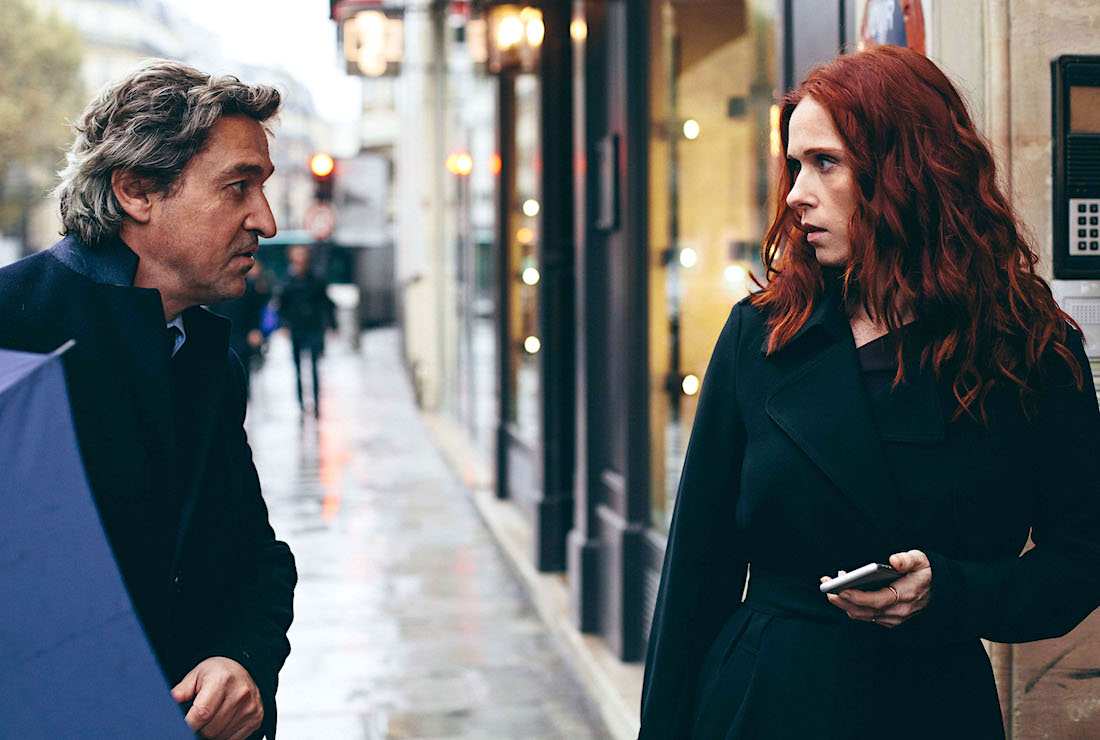
However, they need take no lessons from the legal fraternity. Lawyer Karlsson tried to unravel the case of Procureur Machard’s intimate involvement with the death of a male prostitute, which Roban had already tried to bury. Her boss Eric Edelman warned her the judiciary would simply close ranks, and so it proved (pictured above, Louis-Do de Lencquesaing as Edelman, Audrey Fleurot as Karlsson). Perhaps the only false note in the series was Karlsson’s homicidal assault on her rapist (she’s known to be impetuous, but this was verging on the deranged.) We wait to see if her career can survive into series seven.