This time last year, the moment I knew things were really bad was when the Dunedin Consort cancelled Messiah. All performances since the summer of 2020 had been online films, but Dunedin cancelled even their online Messiah because it would involve performers travelling from all corners of the UK to do it. Sure enough, a couple of days later, what we then called the “Kent variant” appeared, and the grim winter lockdown began.
Fast forward to December 2021 and another Covid shadow is hanging over us, though now we’re enlightened enough to name it after a Greek letter. Jo Buckley, the Dunedin Consort’s Chief Executive, spoke from the stage at the beginning of the performance, pointing out that it is two years since they had performed in Edinburgh’s Queen’s Hall, and raising the chilling spectre that this might be the last performance any of us will be at for a while. Sure, there are no official directives yet, but there can’t be many people betting on a completely unobstructed programme of live performance in Scotland for the month of January.
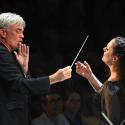
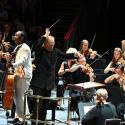
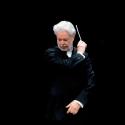
 So let’s enjoy what we have while we can, and predictably there was a lot to enjoy here. Almost every city in the UK has its annual Christmas Messiah, but there can’t be any as stylish or as polished as this one. The whole thing is built on the skill, research and musicianship of director John Butt, but Butt is no dry academic: it is his love for the music that infuses everything else. The orchestra, all performing on Baroque instruments, play with energy and bite, digging into the fugal moments with vigour that belies their small scale. However, they also create the most inviting bed of sound for moments like “Comfort ye” or “He was despised,” and the rare appearances of the period trumpets and timps are electrifying.
Butt’s approach to tempi is on the faster side of middling, but there’s nothing wayward or point-proving in his approach, and he brings lots of his own touches to the score, such as the clipped detachment of the words “Prince of Peace.” Most importantly, he has a compelling view of the work’s musical structure, particularly when it comes to shaping the second half with its narrative of suffering through resurrection to glory. You hear it in the real sense of energy and pace in the choruses of the second half of Part Two, and Butt isn’t afraid to draw back and enjoy the view in moments like the magisterial final Amen.
The chorus sing three-to-a-part, so we’re not talking about one of those desperately austere approaches to period performance. That gives a bit of heft to the choruses, but it also gives clarity and energy to the sound, particularly the soprano line. The soloists are drawn from the chorus, and if I didn’t naturally warm to the sound of tenor Nicholas Mulroy or countertenor Owen Willetts, I can still admire the energy and clarity with which they sang. Bass Robert Davies brought dark vigour to his arias, with lovely legato in the “darkness” movements of Part One, and soprano Mhairi Lawson was both sweet-voiced and deliciously bright, particularly in “Come unto him”. Perhaps the finest soloist of the whole evening, though, was principal trumpet Paul Sharp. Not only did his natural trumpet bloom out over the top of the “Hallelujah” chorus, but in the long-lined solo of “The Trumpet Shall Sound” he scarcely seemed to need a breath.