

BBC Four’s new series Sound of Cinema: The Music that Made the Movies is shocking. The overwhelming majority of arts-based TV consists of programmes consigning specialist knowledge/presenters to the sidelines in favour of dumbed-down, easily digestible generalisations mouthed by all-purpose TV-friendly faces. But this three-part series is fronted by, gasp, a composer who uses insider knowledge to hook and hold the viewers.
To be fair, film composer Neil Brand was onto a winner since TV, the home of show and tell, is an ideal place in which to examine and explain exactly how music works with film images to convey feelings among audiences. And that’s exactly what he does. From the off, it’s clear that this series is going to be governed as much by his particular enthusiasms as it is by a chronological trot through The Official History. Indeed, the opening episode, “The Big Score”, kicks off with John Barry. No, not the celebrated Bond theme, nor the romantic horn and strings sweep of Out of Africa. Brand’s favourite is The Ipcress File, the Michael Caine/Cold War spy thriller with shivery echoing piano, the authentic-sounding twang of the cimbalon (a Hungarian hammered dulcimer, since you ask) and fluttery Sixties jazz flute.
Oddly, given Brand’s love of this score, his brief opening segment – an attempt to illustrate how contrasting types of music would make the viewer feel differently about a moment in the domestic opening sequence – is the weakest. Awkwardly edited, it lacks rigour and conviction, but from there, things improve rapidly.
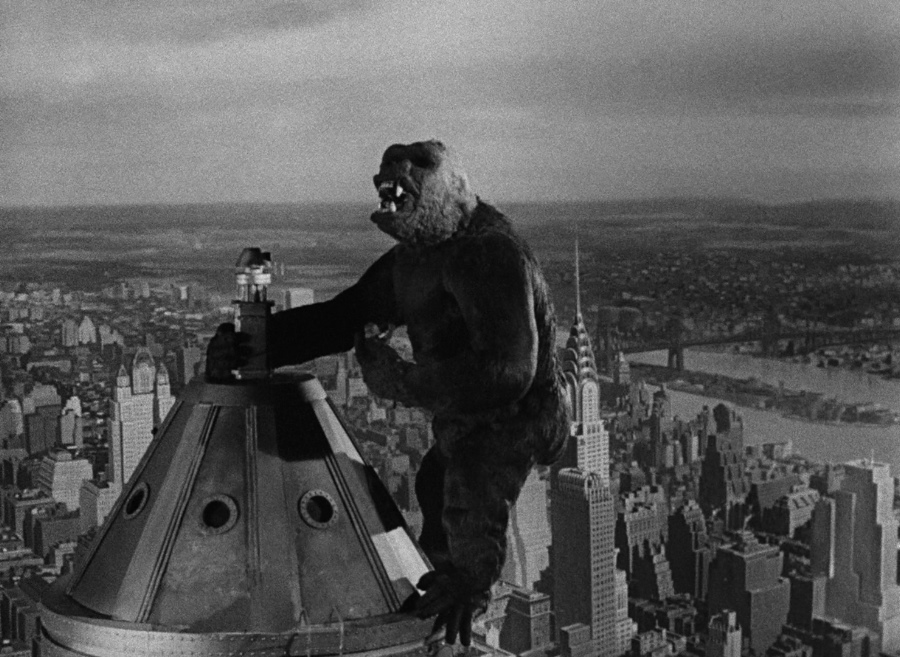 Following his set-up in silent film in which films played differently depending on whatever accompaniment was present, he moves to the invention of talkies and from there to the arrival of Max Steiner’s 1933 score for King Kong. Producers had worried that audiences would reject underscoring from unseen orchestras but Steiner’s genuinely revolutionary score changed that, and more.
At the piano, Brand shows how Steiner borrowed Wagner’s practice of leitmotif - individual themes for characters and dramatic ideas - and used it to drive scores. And discussing how click-tracks were invented, he shows how Steiner utilised technology to create scores perfectly synchronised to precise movements (a technique known as mickey mousing).
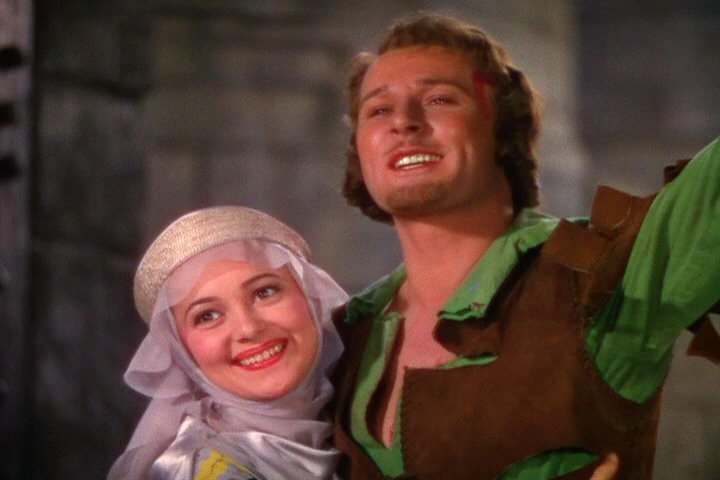
Picking up Steiner’s techniques and running with them, Erich Wolfgang Korngold ushered in the highly sophisticated, lush, romantic sound now forever associated with Hollywood in its heyday, notably with his score for the Errol Flynn/Olivia de Havilland vehicle The Adventures of Robin Hood (pictured below left). Interestingly, Brand doesn’t note how that this reworking of 19th-century classical models was essentially reactionary. That music was very much at odds with the jazz sound that America was listening to outside of movie houses, although that idea may be covered in subsequent episodes. On the other hand, he’s not averse to raising hackles, as he pointedly shows how directly John Williams’s Star Wars score “was inspired by” Korngold’s 1942 score for Kings Row.
 Happily, Brand’s analysis takes him to Hollywood and on to the Warner Bros lot to put all this into context. That said, touching though it is to see his excitement at holding Korngold’s own conductor’s score, a lack of detail occasionally tips the programme towards the sentimental. But when it comes to his insightful look at Bernard Herrmann, whose Hollywood career began with Citizen Kane, went through eight Hitchcock films including the peerless Psycho and ended with Scorsese’s Taxi Driver, there’s nothing to complain about.
Nor will anyone accuse Brand of not confidently setting out his aim. “After this series,” he says, “I want you to be able to hear more than you ever thought possible.” He's set fair to achieve that. In the next episode, he promises to discuss how popular music rocked the soundtrack. I’ll happily be watching.









Add comment