


No one says there's anything unusual about an orchestra in Liverpool recording Shostakovich, or a Manchester band producing a new Sibelius cycle. So why do we make such a lot of self-congratulatory fuss when a non-British team performs Elgar? He's a major late-romantic figure, and at his best he's easily the equal of Mahler and Strauss. Elgar symphonies aren't uniquely English in appeal, and this disc makes that point handsomely. That it comes from a Finnish conductor and a Swedish orchestra is irrelevant. Elgar's orchestral writing has a very distinctive flavour. You don't get the crystalline clarity that you hear in Mahler's writing – Elgar's tonal palette is softer-grained, hazier. Sakari Oramo gets it exactly right, his well-upholstered Royal Stockholm Philharmonic producing a nicely burnished sound. The way in which the symphony's motto theme blossoms, swells and dies away is as good as I've ever heard it, the ensuing minor key Allegro deeply disquieting. Elgar's frequent sequential writing can pall, but Oramo's reading is brilliantly cogent. The big crisis four minutes before the first movement's close roars, aided by terrific horns. Elgar boring? Not at all.
Oramo's Scherzo is swift, but not rushed, allowing us to appreciate the Helsinki strings' flawless articulation. The march rhythms fizz, and the trio is a delight. Best of all is a sublime, immaculately-paced Adagio which had me blubbing. It's all rather lovely – Oramo manages to make the sprawling Finale cohere, and the coda is stunning. But it's the coupling which I've listened to again and again; Cockaigne is a lovable, unpretentious piece, and this is among the nippiest, most exuberant performance around. The organ entry near the end is well-managed, and the orchestra's brass excel. Marvellous BIS sonics, and good sleeve art – it's a winner.
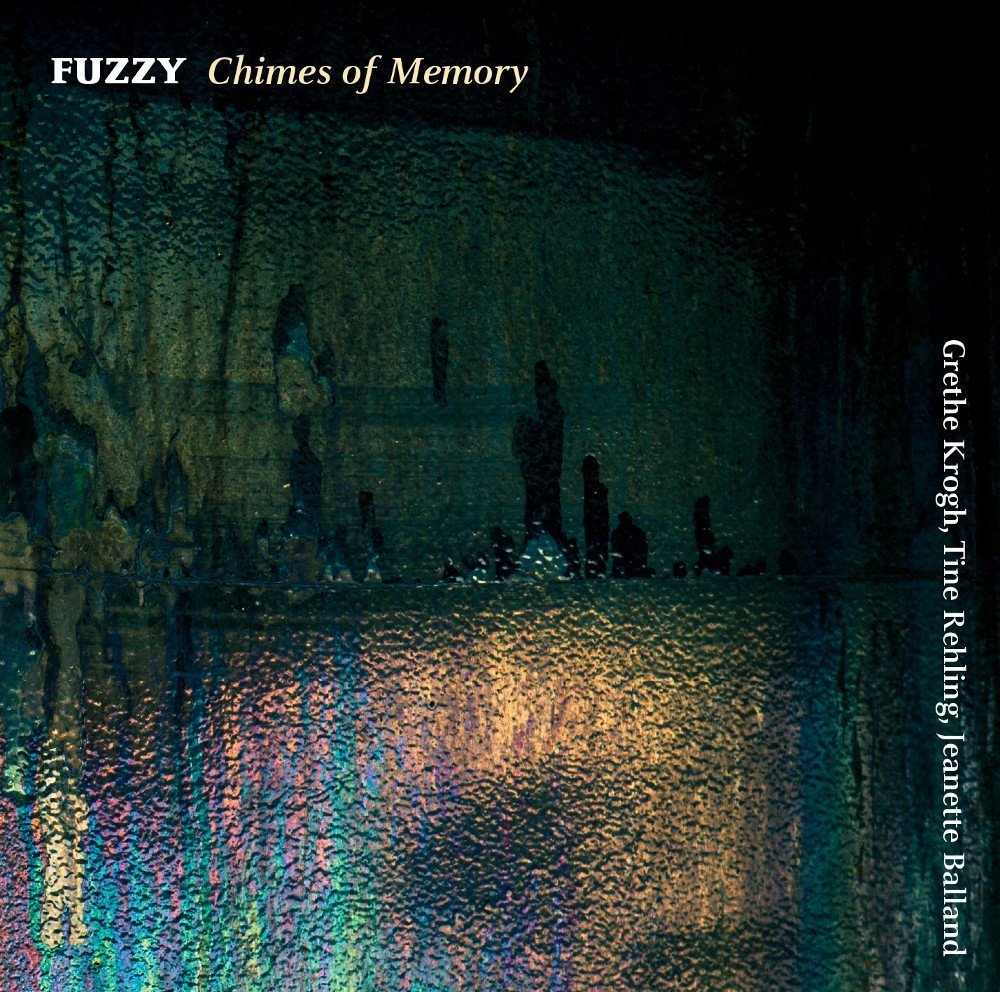
How can you resist a moniker like Fuzzy? Disappointingly, it's just a nickname, given to the Danish musician Jens Wilhelm Pederson in his hirsute youth. He's studied with Per Nørgård, Ligeti, Lutosławski and Stockhausen. Wayne Siegel's engaging booklet essay makes a neat job of summing up an eclectic career; I'm tempted to nip over to Copenhagen's Royal Library to immerse myself in Fuzzy's Catalogue, a vast electronic installation inspired by library artefacts, in 52 sections – one for each week of the year. A good starting point on this disc is B-Movies, a witty work scored for solo harp and electronics. There's no ambient waffle, just an entertaining, sonically brilliant homage to a sequence of unmade films. Fuzzy sends up the conventions of naff film music, whilst creating something that's genuinely interesting. Listen with your eyes shut and imagine yourself being chased, zapped and spooked. Harpist Tine Rehling's contribution is magical – hers isn't an instrument generally associated with high drama. Three Retrospects for bass saxophone and electronics feels like a mini-concerto. You don't often hear electronics used so effectively; the basso squawks of agile soloist Jeannette Balland reflected perfectly. The third movement's opening is infectiously catchy.
Three expansive organ pieces written for Notre-Dame Cathedral are played by their dedicatee Grethe Krogh in Copenhagen's cathedral. The first, Cadences et tremblements à Notre-Dame is the most engaging, suggesting Messiaen in relaxed mood. The third piece's brazen major key close is a stunner. Two electronic pieces complete the disc: Chimes of Memory was composed on what was a state-of-the-art sampler in 1987. Pre-recorded real sounds are mixed with synthetic ones, the whole an elegant, tintinnabulous experience. And Stars above Copenhagen's Waste Incinerator is both tribute to the musical properties of rubbish and a fond adieu to the composer's elderly Blüthner grand, about to be replaced. It's quite magical – electro-acoustic, moist noises fused with a sentimental song rattled out by the dying piano. This disc is an unexpected, unalloyed treat. Make space on your CD rack for Fuzzy.
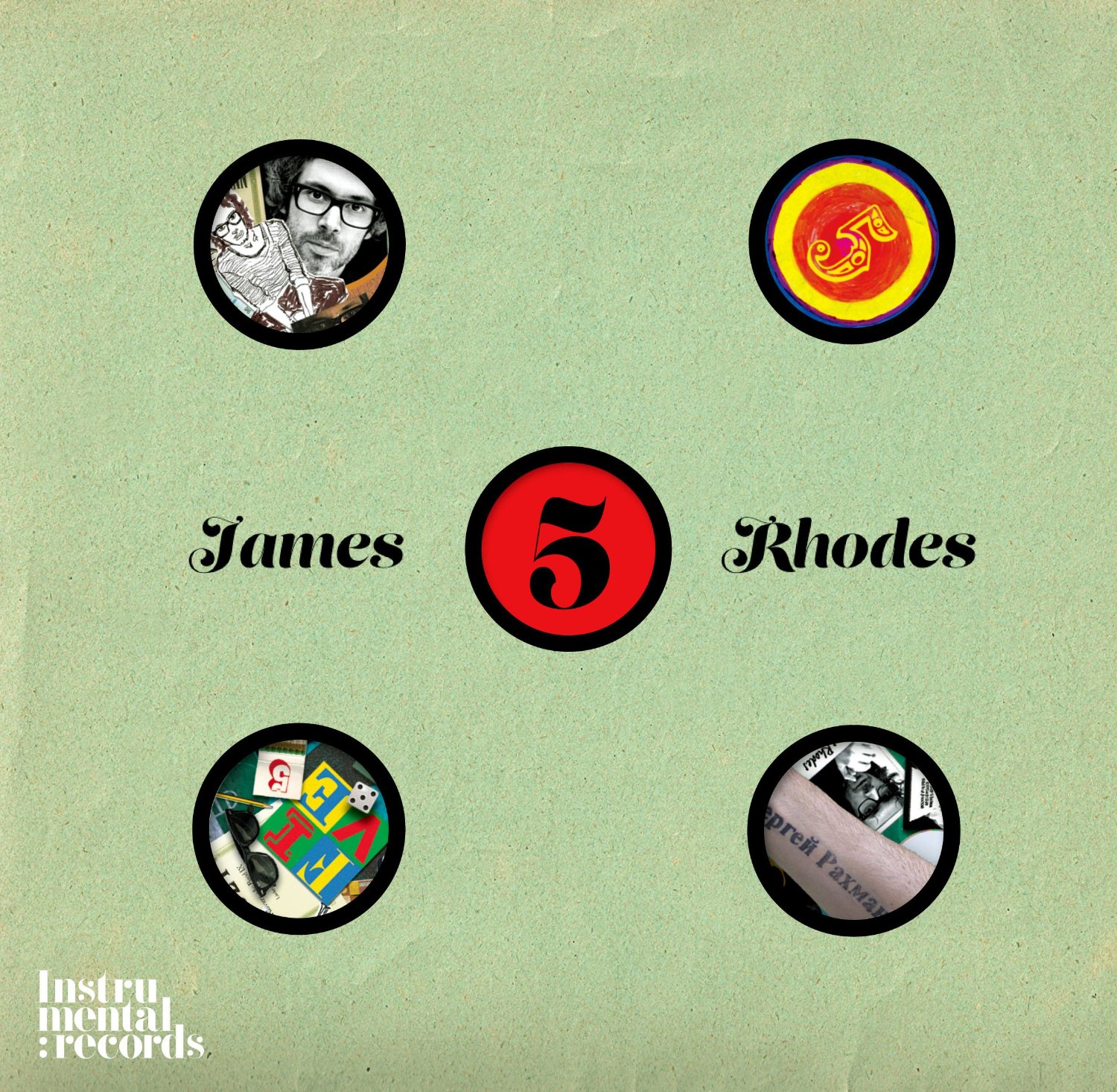
James Rhodes picks his way through the Prelude to Bach's Bb Partita in such wilful fashion that you're tempted nip to the kitchen to make a sandwich and hope that he'll be finished by the time you return. Then you realise why he's done it, the deliberate pace functioning like the winding up of a watch spring. Bach's Allemande and Courante fizz, and there's an elegant Sarabande. Rhodes's Gigue is comically fast and showy, but he gets away with it. Beethoven's Op 28 'Pastoral' Sonata receives another highly personal reading. I like Rhodes's urgent, dogged bass line in the Andante and the featherlight Scherzo, though the Rondo is a little too thunderous and extrovert.
Chopin's Ab Ballade is nicely done; the second theme's donkey trot skilfully portrayed, the whole brimming with warmth and affection. Better still is a tempestuous, nervy account of the Bb minor Scherzo. Two transcriptions complete the tally of five pieces. Giovanni Sgambati's melting version of Gluck's Dance of the Blessed Spirits is beautfully done, and Liszt's overcooked reworking of Schumann's Frühlingsnacht holds no terrors for Rhodes. Ignore the mildly irritating sleeve notes - this is an intelligent, well-recorded recital.





Add comment