

Boy, Summerhall ★★★★
Nature or nurture? It’s the perennial question behind so much in human development – and the central issue, too, behind Carly Wijs’s very moving Boy for Flemish theatre company De Roovers at Summerhall.
Twins Brian and Bruce had to endure intimate surgery as babies – an experimental procedure that, when it goes wrong, leaves Bruce as Brenda. At least that’s outcome advised by a Harvard-educated quack, who assures the aghast mother and father that, with sufficient hormones and parental guidance, he really will become a girl.
Wijs tackles one of the most divisive issues of our current times, but she does so with admirable equanimity, and loads of compassion too. This is the writer/director, after all, that retold the 2004 Beslan school seige as a family show to huge acclaim in 2016. Crucially, actors Vanja Maria Godee and Jeroen Van der Ven deliver their at times harrowing, appalling story with disarming tenderness, understanding, even wit.
After layer upon layer of subterfuge are revealed in Godee and Van der Ven’s ever more complex (and credibility-challenging) tale, what finally emerges is a reflection on the stories we tell, the memories we create, and how they come to define our actions and reactions, no matter how truthful they are. And as such, Boy’s ultimate message of hope and resilience – well, partially, at least – might be just what we need to hear.
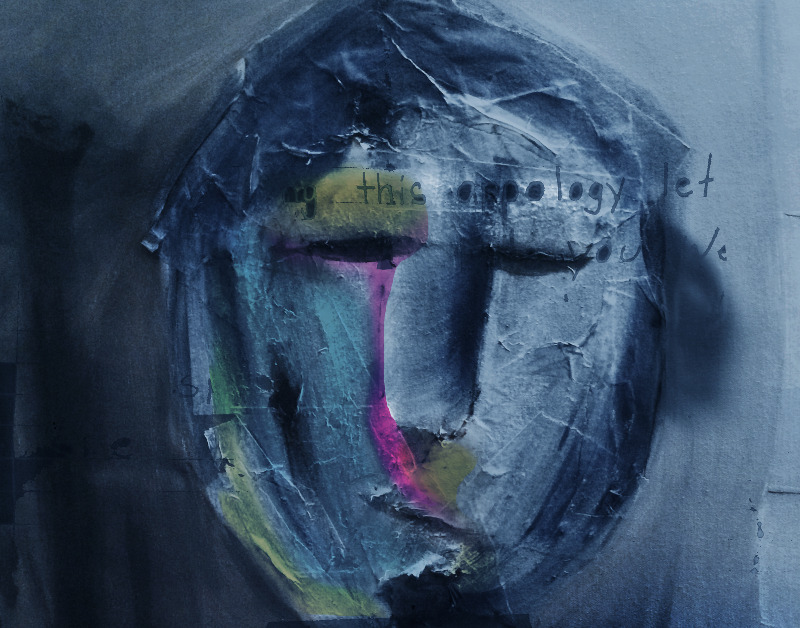 Intruder|Intruz, Summerhall ★★★
It’s not generally a wise idea to disconcert your audience. And frankly, the fact that Remi Rachuba’s autobiographical solo show Intruder/Intruz code-switches restlessly between English and Polish is only one of its issues. Its narrative switchbacks between high-class Warsaw casino openings and grimy Glasgow alleys, and jumps back and forth too between Rachuba’s early years in Poland and his current life in Scotland.
His fragmented narrative and his bilingual delivery, while not obscuring things entirely, generates a kind of stream-of-consciousness, let-it-all-wash-over-you effect where you’re constantly grasping at meaning, only to have it slip out of your hands. Which is all the more frustrating, because Rachuba clearly has plenty to say – about a violent attack that leaves him apparently permanently scarred psychologically, and his struggles to find reconciliation and redemption.
It’s a great shame, because Rachuba is such a magnetic, charismatic performer, leaping nimbly between characters and settings, and delivering his tale with abundant energy and commitment. There’s loads of potential here – for a dissection of the immigrant experience, maybe, or of discovering a new sense of self-confidence after trauma. It’s all there, embedded within Rachuba’s dense, fast-moving narrative – it’s just that currently, it’s all a bit hard to pick apart.




Add comment