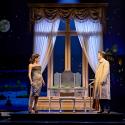
Back in 2009, there were Ben and Wystan on stage (Alan Bennett’s The Habit of Art). Last year came Ben and Master David Hemmings (Kevin Kelly's Turning the Screw), followed by Ben and Imogen Holst according to Mark Ravenhill. That RSC Swan production is now playing in the Richmond round. It grips, thanks to extraordinary performances by Samuel Barnett and Victoria Yeates, and taut dramatic structure, but how deeply is it rooted in truth, and does that matter?
Up to a point, yes. Britten told “Imo” in July 1952 that “it has been wonderful to know there was someone one could trust, not only to do the things, but to do them with a skill & efficiency which amounts to genius”. Apart from that, and a disciplined shared passion for music, it seems unlikely that there was much room for soul-searching or infatuation during the ensuing nine months’ work on his Covent Garden opera for the coronation of Queen Elizabeth II, scheduled for 8 June 1953. I haven't read Imogen Holst's diary for the period, though it's extensively quoted in the comprehensive fourth volume of Britten's letters; even so, there's probably little room for any suggestion of sexual tension or passionate outbursts of the sort that make this good drama.
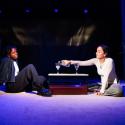
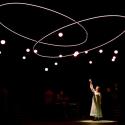
Audiences need to be fed salient details of previous history, character and temperament. Some issues feel shoehorned in: there's one reference to the paedophile desires on which Britten never acted: he wants exclusive rights to the boy who's going to be engaged for the Morris Dance (shades of Oberon and Tytania). I don't buy the idea that Britten would ever articulate what most of those who knew him saw as a habit of drawing people in, enchanting them and spitting them out ("Ben and Peter's corpses" was a favourite phrase of the Britten-Pears set and beyond; Imo wasn't among them, continuing to work for Britten over a decade, and settling in Aldeburgh). Barnett makes this and all else compelling, even the absurd second-act rage against "second rate" Gussie (Holst, Imogen's genius father) and all his daughter's failings. Nor is it fair to even suggest that the composer wondered about a downhill slope ever since Peter Grimes in 1945 - he knew his worth - or that he couldn't "do" grand opera (Grimes and Billy Budd both have the largest-scale possible choral scenes and ensembles at the highest level). 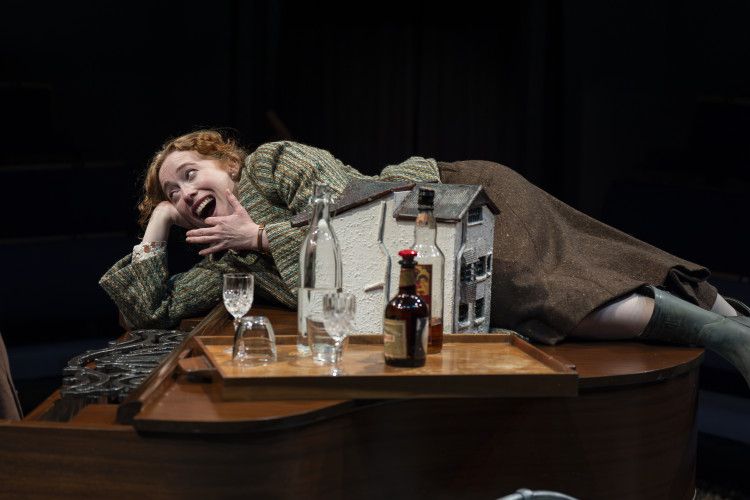 "Imo" may have been as vivacious as Yeates is allowed to suggest (pictured above). She did indeed dance, and learn the Elizabethan forms executed so brilliantly here (though the references to the Masque should belong to the Courtly Dances of a later scene). Ravenhill expands on her pioneering work with musical amateurs and her individual methods of teaching, adding to the attractiveness of her portrayal. But footage and photographs suggest she was nothing like as outwardly glamorous as Yeates's characterisation. It's a pity that, like "Imo", we're left wanting to know more about Britten's life partner, Peter Pears; even though this is a two hander, the third person in the picture could be more vividly evoked.
In taking Ben and Imo's work on Gloriana as the framework, Ravenhill has some pithy material to call upon, though it's a pity he limits the detail of Imo's contribution to suggesting, and having accepted, a single note that fits the text of William Plomer's libretto better. The debate about public funding of serious art is a rewarding constant, with resonances for now.
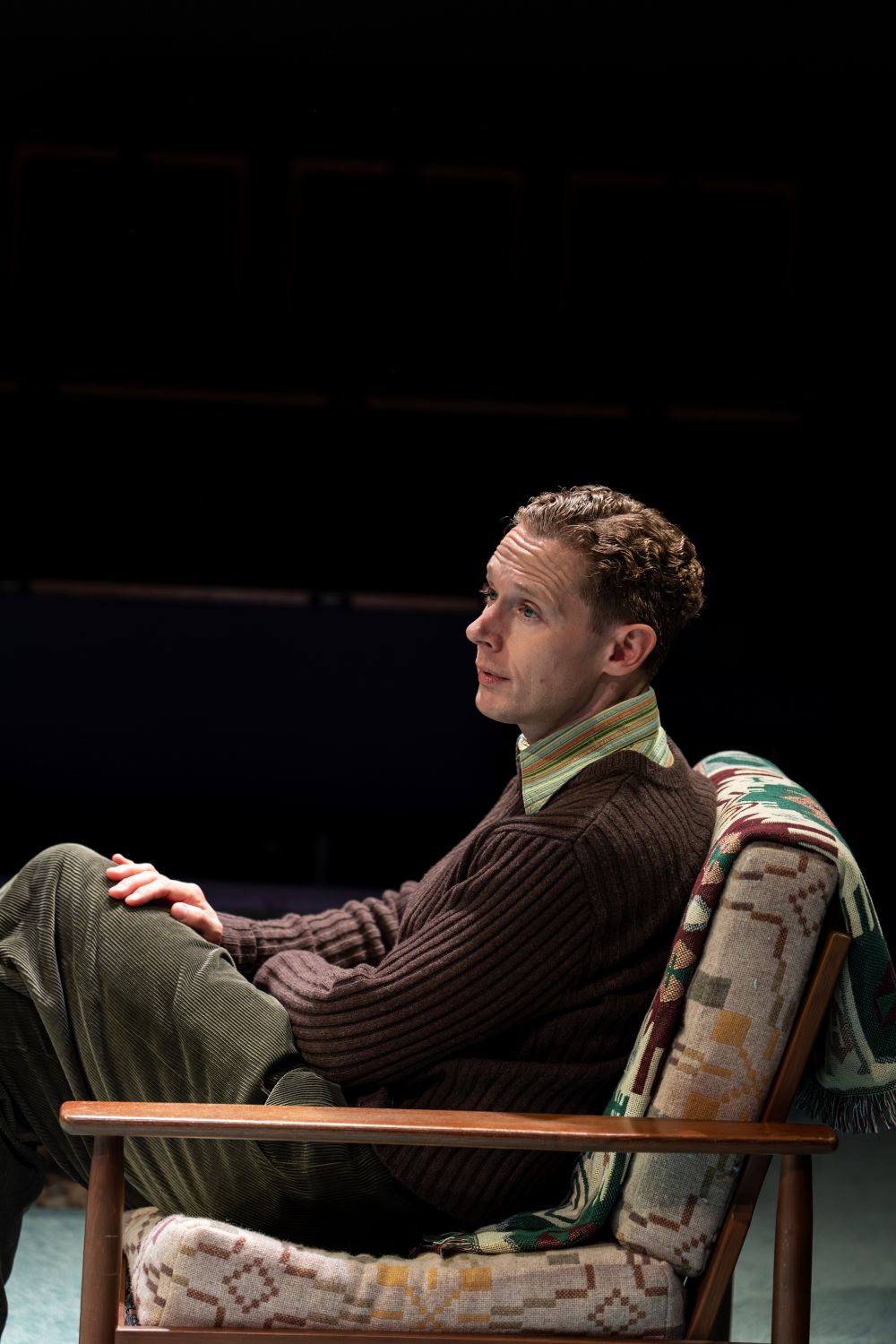 The dynamics between two strong and complex people, even if they're hardly the real-life pair, make for edge-of-seat drama: the endless quarrels and reconciliations, the (again fictionalised) will-they-won't they-get-there of the work. Imo's reminder of what's good, even great, about Gloriana which will stand the test of time despite the cold reception of the "stuffed pigs" at the gala is moving; so is the end, when she pushes the composer to his most concentrated masterpiece, The Turn of the Screw, in pleasing symmetry; at the beginning of the play she arrives clutching Lytton Strachey's Elizabeth and Essex; just before the conclusion, she starts reading from Henry James's troubling novella.
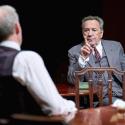
Director Erica Whyman modulates the ebb and flow as surely as the sea just beyond 4 Crabbe Street, presumably the model on the piano at the centre of Soutra Gilmour's economical set (its flooding in the big storm which struck at the end of January 1953 is moved back a month to mirror the furies and calms of the relationship). The casting is as inspired as it was in the last play I saw here, Howard Brenton's superlative Churchill in Moscow (members of that flawless team were in last night's audience). Yeates is perfect on her own terms, but the biggest triumph remains Barnett's as the true towering figure (pictured above), credible from everything we know about Britten, his depressions, his sudden rages, his boyish enthusiasm, his responsiveness. That's unmissable.