

Jarvis Cocker is proudly holding the No 1 trophy handed to him on the day Pulp topped the album chart for the first time in 27 years with More, their first album in almost as long. “It’s nice they’ve got something to do when they’re getting on a bit,” Cocker says, acidly imagining the response. “Fuck that!”
More sounds like a direct continuation of ‘95’s defining hit Different Class, as if This Is Hardcore’s dankly erotic confession of Britpop comedown and Scott Walker-produced last gasp We Love Life never happened, the band instead rematerializing to wrestle with reluctant maturity while miraculously, potently intact in sound and ethos. Pulp’s several reunions since 2011 have exhausted euphoria at their mere presence. Instead, there’s a sense of old and new songs in continuum, each stimulating the other. Cocker’s muse has stayed constant, while growing ready to accompany Nineties fans through their lives.
A red theatre curtain lends the O2 dignity, parting to reveal a digitally lit, pyramidal staircase topped by Different Class-era band photos from which Cocker emerges to clamber with ageless energy, all sharp angles and elbows, or sit like a Seventies TV host proffering showbiz wisdom. A string section, female backing singers and Cocker solo band members join classic-era Candida Doyle, Mark Webber and Nick Banks in an arena-filling show.
Opener and recent single “Spike Island” is classic Pulp pop, pumped with disco exuberance, laced with ironized nostalgia at a culturally iconic yet underwhelming Stone Roses gig, and including Cocker’s concise MO: “I exist to do this/Shouting and pointing.” If that sets past and present suggestively swirling, “Grown Ups” epically contrasts youthful yearning and domestic tedium. “Growing up’s okay - growing old is a crime,” Cocker, 61, says, introducing a song which starts in 1985, was mostly written in 1998 and is out now, when its vision of careless fun as a distant, irrecoverable planet hits hardest. “And soon it will be time/for some more food” catches a numb nightly repetition many of us will recognise with a certain, lurching sickness.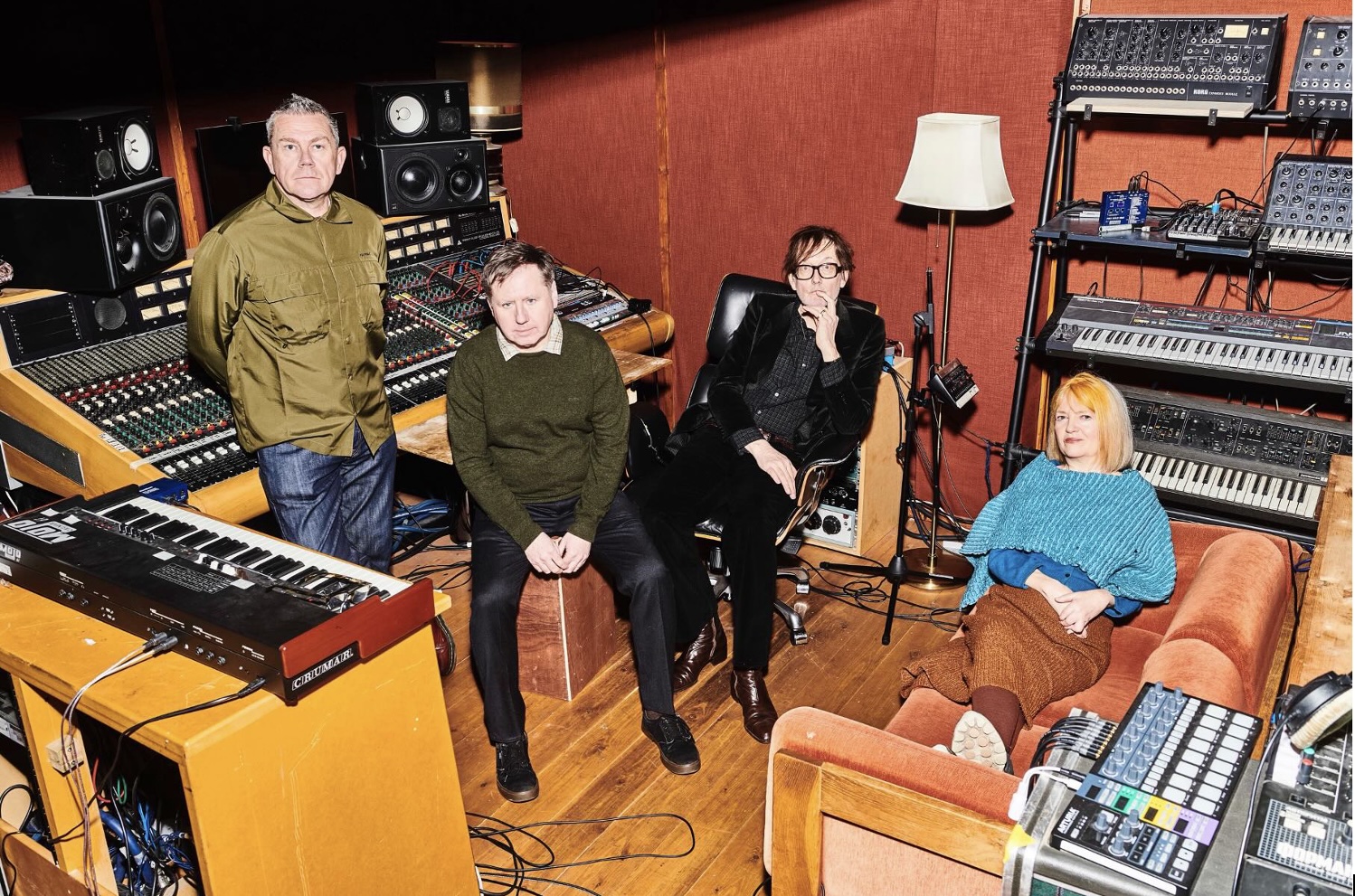 Similar duality sparks Different Class’s “Sorted for E’s and Whizz”, caught between a confused high and comedown, and the bittersweet beauty of “Disco 2000”. “Farmers Market” shows More’s more forthright emotion. It recalls Cocker taking the plunge to get to know the woman who is now his wife. This major London gig is also their first wedding anniversary, and she is in the audience. “A high-pressure evening,” he deadpans, and he’s moved and moving as he sings of being wonderstruck in a suburban car park, warm Seventies keyboards, strings and hymnal harmonies glowing, before prayerfully asking: “Ain’t it time we started living?”
Pulp’s career is extensively explored, not skimping the shadows. Cocker reclines indolently beneath a video chandelier as the debauched disco king of “This Is Hardcore”, distorted voice reflecting fame and porn addict travails. Against this, the unloved We Love Life’s “Sunrise” is great prog-pop, Jarvis worshipping a neon sun-god over early Bowiesque acoustic guitar and Mark Webber’s electric rasp. Candida Doyle’s keyboard riff meanwhile turns dreamy as she sets “Acrylic Afternoons”’ Anglo-French Sixties pop mood.
Cocker, Doyle, Webber and Banks open the show’s second half in near-skiffle, acoustic mode, reducing “Something Changed” to its essence. They later slip back in front of the curtains to encore with “A Sunset”, playing More’s finale as another folk-like coda which confirms their new songs’ earned precedence.
Immediately prior to this delicate finale, “Common People” retains its feral, class-war moments. But, just as Dylan lately sings “Like A Rolling Stone” with empathy for its previously savaged rich girl, Cocker turns the chorus’s sentiment inside-out, making it an inclusive tribute to “common people like you”. Doyle raises a glass to toast us as Pulp stand proud, as surprised as anyone to realise this late on that all you need is love.







Add comment