

The relationship between words and music is a long one — but not an exclusive one. Indeed, the idea of a chamber music festival with words and storytelling at its heart has ruffled a few feathers. After all, there is a wealth of repertoire for instrumentalists alone - isn’t this what Sheffield Chamber Music Festival is here to celebrate?
For singers, however, discounting the odd “vocalise”, words and storytelling are at the heart of things. The drama of opera is an obvious place to find narrative, but inside every German Lied, English song or Mayan lament there is a character—whether protagonist or narrator whose story waits to be uncovered.
AI helpfully points out that chamber music is performed by small groups of between two and nine players—which would arguably include the standard voice–piano duo. Thankfully, in the real world, neither composers nor ensembles specify numbers so rigidly, and here in Sheffield Ensemble 360 will be performing with - shock horror - up to fifteen players. However, given that we tend to associate chamber music with small groups performing in intimate “chamber” settings, this shouldn’t eliminate the singer as one of those musicians (despite the well-worn conservatoire joke: are you a musician or a singer?). Yet all too often, it does.
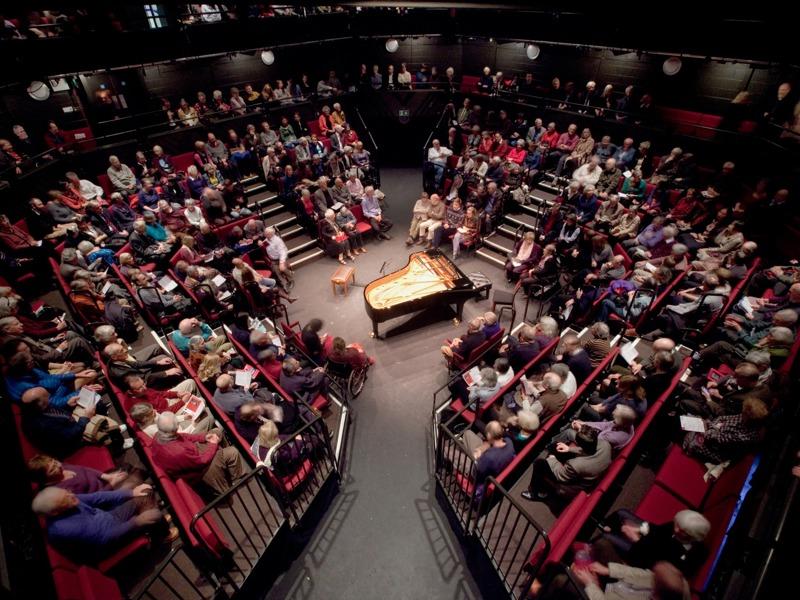
I’ve been particularly interested in unpacking the idea of “vocal chamber music”, and indeed its Mendelssohnian counterpart, “songs without words”. While no one would reject a solo-voice Bach cantata as music for voice and instruments, it is really in the later 19th and 20th centuries that composers begin writing specifically for voice and chamber ensemble: Fauré’s La Bonne Chanson, Shostakovich’s Blok Settings, Berio’s Folk Songs, and - perhaps the ultimate example - Schoenberg’s Pierrot Lunaire.
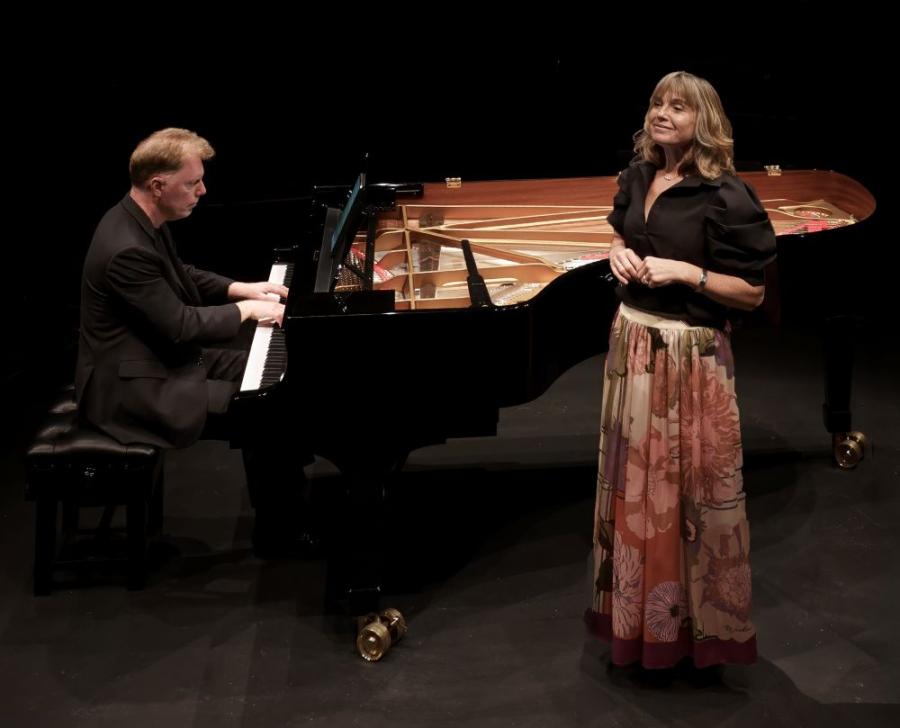
But how many of us actually know these works? For many composers whose instrumental music sits at the centre of orchestral repertoire, their songs are too often relegated to the margins of the so-called “standard” canon. I’m well aware of my own shortcomings when it comes to an encyclopaedic knowledge of instrumental chamber music, so evenings spent around pianist Tim Horton’s kitchen table have been illuminating, valuable and enormously enjoyable, offering the chance to explore repertoire that might sit alongside my own voice-led programming (pictured below by Malcolm Nabarro: the author with Tim Horton ).
This festival celebrates storytelling in all its forms. Opening with an opera might not feel especially “chamber”, but for solo voice Judith Weir’s retelling of a Nordic saga, Harald Hardrada, is as gripping as any episode of The Rest Is History podcast. The human voice takes centre stage, yet in doing so embodies king, courtiers, wives, villains, army and sage - a chamber opera without instrumentalists at all. This is answered by Harrison Birtwistle’s equally virtuosic Cortège: an Ensemble 360 showcase of epic proportions that confirms the theatricality of instrumental music without any need for voice or text. Lest audiences fear that more traditional fare is missing from the menu, the opening concert concludes with Brahms’s sumptuous First Serenade.
Throughout the festival we explore composers and their music, writers and their texts, interpreters and their performances — each illuminating a different aspect of storytelling’s role in music. Story lies at the heart of instrumental and vocal music alike: in song and speech, in jazz and folk, as both inspiration for creativity and catalyst for performance.
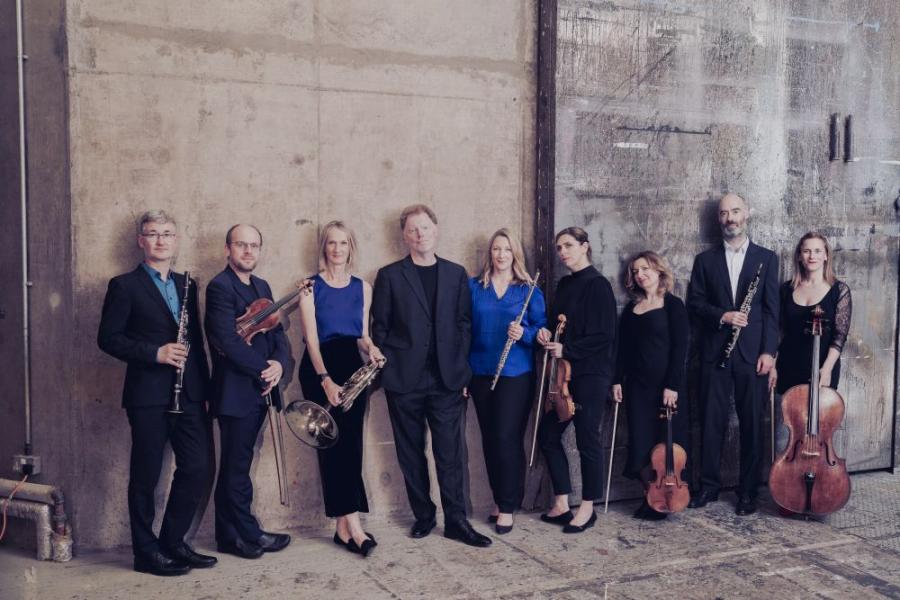
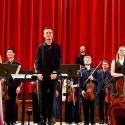
Both Jean Cocteau and Samuel Beckett were writers deeply influenced by music - Bach and Schubert respectively - and their work in turn inspired generations of artists and performers. Audiences can sometimes feel removed from song recitals (an irony when text is meant to illuminate rather than obscure), often because of foreign languages or unfamiliar poetry. It therefore feels fitting to focus on writers—just as we might with Heine or Verlaine — whose influence on musicians has been profound. Composers from Feldman to Poulenc have drawn inspiration from their work, and we also celebrate the role music played in shaping their own creativity. (Player of Ensemble 360 pictured below by Matthew Johnstone/Music in the Round).
Audiences themselves are encouraged to reflect on language and its role in codifying creative expression. In the series of walking concerts entitled Speak of the North, academic Julian Wright and Sheffield poet Tony Williams invite audiences to consider their perceptions of ‘the North’ while hearing Gavin Higgins’ breath-taking new work of the same name for voice, violin and piano. Drawing on poetry from the Brontës to Michael Symmons Roberts - and evoking landscapes from the mining heartlands to Northumbrian press gangs - this exploration of “northness” encompasses pride, nostalgia, anger, beauty, energy and time.
While the story of Scheherazade is itself a story about storytelling, the festival also invites audiences to reflect on the storytellers themselves. Author Nicholas Jubber’s recent exploration of the origins of fairy tales offers a fascinating backdrop to the ways composers have adopted myth and legend - from Ravel’s Mother Goose to Oliver Knussen’s Where the Wild Things Are, from Grieg’s Peer Gynt to Birtwistle’s The Minotaur - with all the above composers appear in different guises across this year’s festival.
There is something about familiar stories that invites us to hear them anew. Nowhere is this more delightfully explored than in our schools project: the world premiere of Julian Phillips’ children’s chamber opera Henny Penny. Conceived as part of research into music and repetition as tools for language learning, Phillips’ opera - whether Henny Penny, Hennig Pfennig or Cocotte Chocotte - invites primary school children to explore language and sound within the familiar ‘Jackanory’ realm of a well-known story. In doing so, it gives them a head start in making their own connections between language and meaning. I’m absolutely delighted that the work receives its debut here in Sheffield this year.
Finally, to return to the musicality and integrity of Ensemble 360 itself: the opportunity to hear them perform music celebrating story and song—with or without text—isa deep privilege. Their programme centred around Mendelssohn’s Songs Without Words is therefore entirely apt: a chance to reflect on melody and narrative as enduring inspirations for composers, and on the limitless possibilities contained within the very idea of ‘song’.



Add comment