

A packed Albert Hall told an instructive story: programme Holst’s The Planets at the Proms and you can dare to do anything in the first half. Besides, though it will be a red letter day when we don’t have to put “women” in front of “conductors”, the Marin Alsop Last Night effect may have kindled interest in Susanna Mälkki, top of a still too-small list from the two concerts I’ve heard her give with the BBC Symphony Orchestra.
classical music reviews
David Nice

From now until 12 September, when Wigmore darling Iestyn Davies returns to open the new season, the biggest names in instrumental music are to be heard in the biggest venue, the Albert Hall. With all eyes and ears turned by maximum publicity towards the Proms, folk may have forgotten that the Wigmore Hall concerts were ongoing until last night.
Bernard Hughes

After four years, 55 cities in 22 countries and an award-winning recording, Leif Ove Andsnes’s Beethoven journey came to an end last night in an emotionally charged evening at the Royal Albert Hall. And in a delightful light-hearted moment after all the serious music making was done, Andsnes finished the concert vigorously playing the tambourine in an orchestral encore.
Bernard Hughes

So to the second leg of Leif Ove Andsnes's journey through the Beethoven concertos, and a distressingly underpopulated Royal Albert Hall. Perhaps the punters were put off by the wintry weather, or perhaps by the dread names of Schoenberg and Stravinsky on the bill. Either way, it is shocking that Andsnes’s wonderful playing should have been to anything other than a full house.
David Nice

Beethoven’s piano concertos have been no strangers to any Proms season. Only five years ago our own Paul Lewis embarked on a cycle not so very far, in terms of elegance and stylishness, from that of the present pianist-in-residence, Leif Ove Andsnes. Where Lewis proved a phenomenal trill-master, Andsnes’ runs and flights make his own approach especially rich and rare.
Matthew Wright

How often do the streets of London throng with concert-goers demanding admission to a recital of Latin motets? Even for Sloane Square, the crowds hoping for a last-minute ticket to the sold-out Proms Chamber Music debut concert by The Cardinall’s Musick of Tallis and Cheryl Frances-Hoad’s world premiere were exceptional. For the most part, these music-lovers displayed excellent judgement, for this was an inspired programme and performance. Not, however, in the way most probably had in mind.
Sebastian Scotney

This Prom was the final concert of Andris Nelsons's remarkable seven-year spell as principal conductor of the City of Birmingham Symphony Orchestra. Their Prom showed the astonishing level of responsiveness and flexibility which he and they have achieved together, over the course of more than 300 concerts.
Gavin Dixon

So it begins. Thousands of expectant audience members in a sweltering Albert Hall – heave ho! – riotous applause for the leader as he tunes the orchestra. A few more visits and all this will seem normal again, but it’s a culture shock to be thrown straight back in on the first night.
Graham Rickson

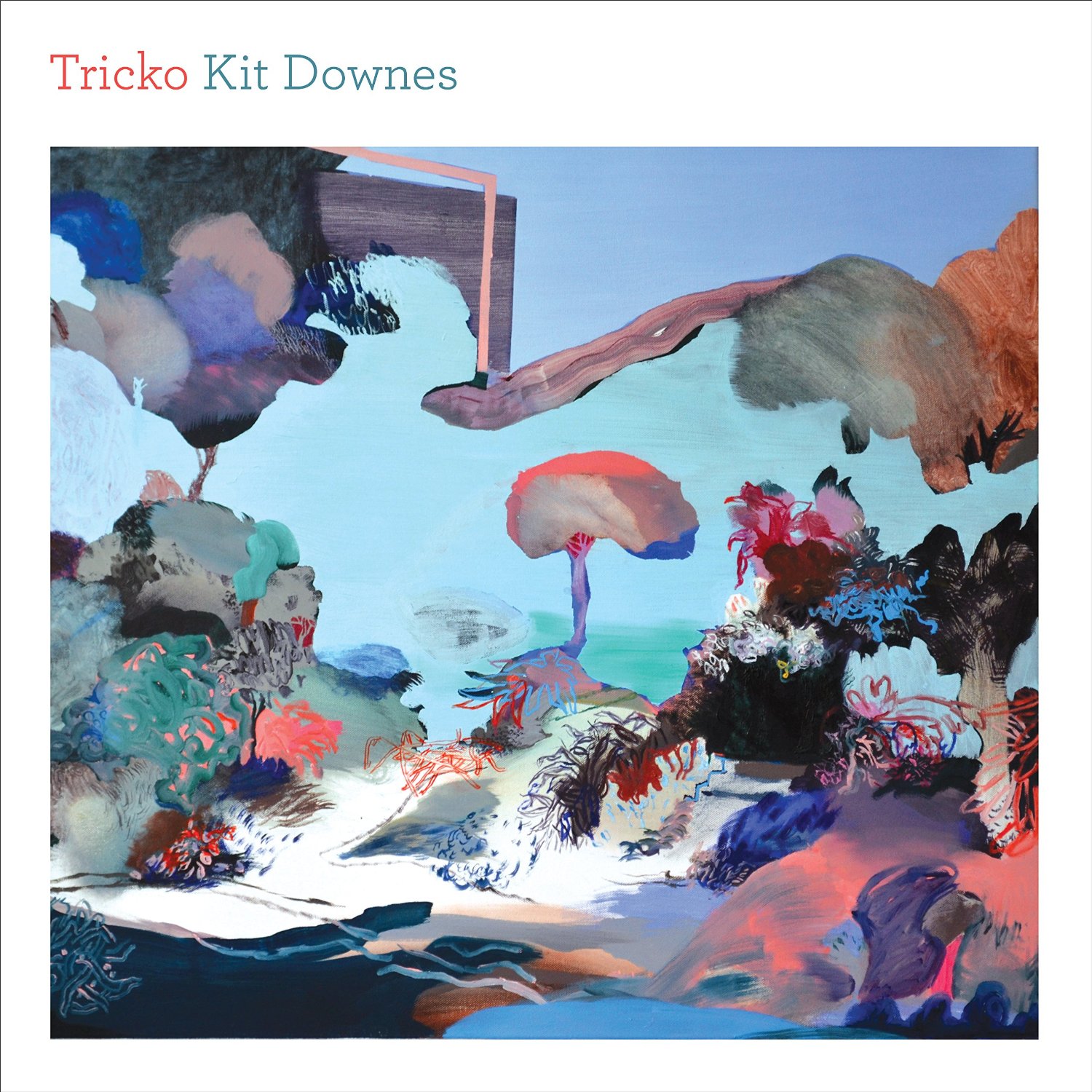 Kit Downes: Tricko Kit Downes (piano, organ), Lucy Railton (cello) (Coup Perdu)
David Nice

A peninsular spirit of place and the greatest of instrumentalists drew me a second time to the eastern nook (hence the “Neuk”) of Fife. But could a second report for theartsdesk be justified – wasn’t the premise the same for the 11th East Neuk Festival as it had been at the 10th? Not quite.