

A fired-up Maria Callas (Tyne Daly) is hectoring a student. “I don’t want it done like me, I want it done like Verdi!” “With music?” enquires the nervy pianist. “Yes,” she snaps, “With music: this isn’t a play.” Quite. What exactly is Terrence McNally’s Master Class? A classy version of “Tonight, Matthew, I’m going to be Maria Callas”? Yes, but no. There’s impersonation, but not of her singing.
In terms of both the character and the actor playing her, the evening is a diva opportunity. It consists of a real-time masterclass at which we are the audience for one of 23 two-hour classes given by Callas at Juilliard at the beginning of the Seventies when her operatic career was over.
If you already know about Callas it tells you little that’s new
Callas takes three students through their paces, one aria apiece; McNally appropriates some of the real words and many of the ideas from the published transcripts, so much so that it smacks, in part, of being an edit-job. But there’s invention here, too, with McNally using the format for a bio-drama/diva fantasia. In emotionally charged set-piece monologues, Callas’s self-revelatory reveries uncover her history, passions and traumas.
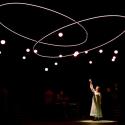
This, however, causes a major structural problem. The first aria-like monologue comes as a surprise. The classroom disappears and Callas looms out of darkness as if alone on stage at La Scala. A recording of one of her triumphant performances takes over from that of the student as Daly’s Callas offers a moment-by-moment explanation of thoughts racing through her head.
The second monologue, however, falls flat because it feels like a repeat, and it’s overburdened with exposition. She talks us through scenes from her disastrous marriage to Onassis, which only just makes sense even when you know the story. Worse, it’s delivered in quick-fire exchanges in which Daly plays both Callas and Onassis. Through no fault of her own, what should be emotional is merely emoting.
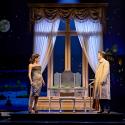
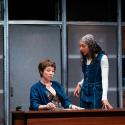
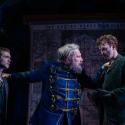
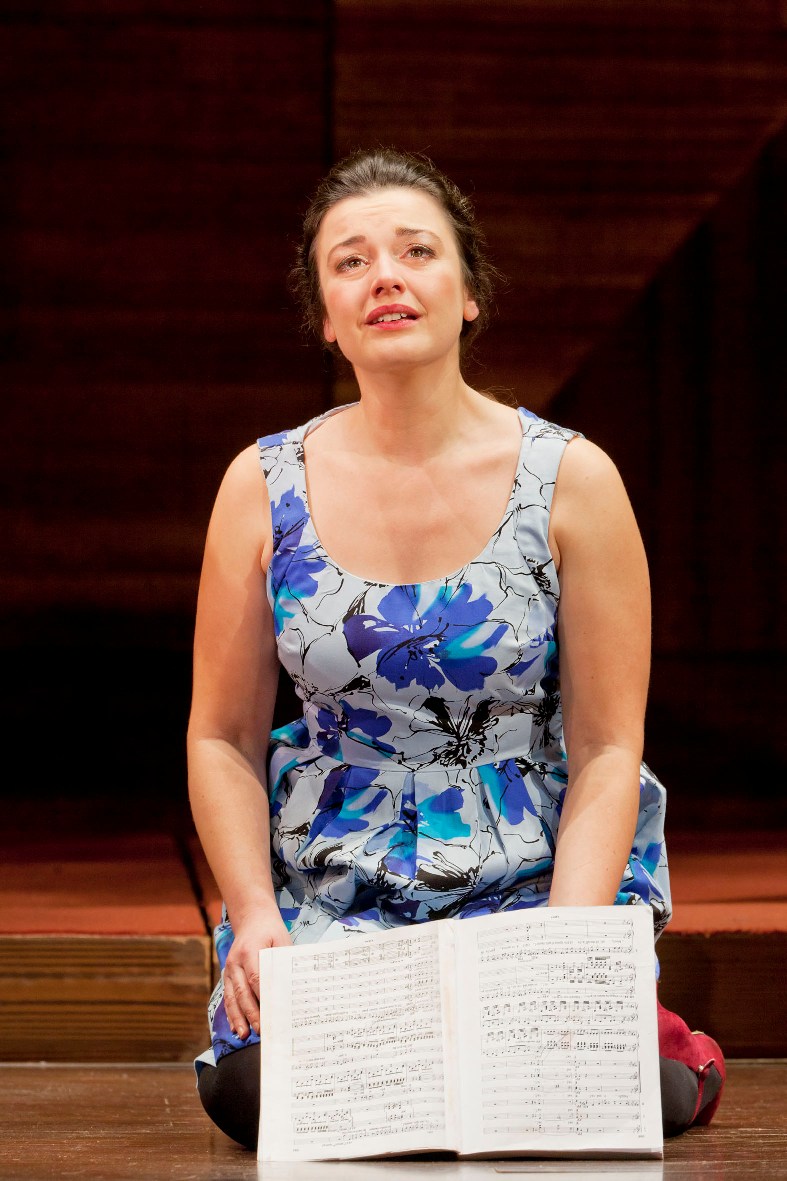 Fatally, Callas is the play’s only fully conceived role. The students (plus a wincingly overplayed stage manager) are empty contrivances. Like the feeds in a bad Neil Simon comedy, they proffer naïve observations merely so that Callas can kill them with a one-liner. That Juilliard students (pictured right, Dianne Pilkington as Sophie) should have so little idea of the world’s most legendary opera star’s unique style or, indeed, how to present themselves rings false. Their ignorance, of course, perfectly suits McNally’s explanatory needs. But since Callas is so dismissive of these characters, why should we bother listening?
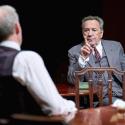
On the plus side, Daly instantly establishes a likeness with the haughty tilt of her smartly bewigged head and her jutting, strong profile. And her vocal mix of extreme pride and impatience creates a snappy delivery that adds dynamism and feels wholly characteristic. But it’s her fiercely concentrated focus as the sound of Callas’s voice fills the theatre that causes the audience to capitulate to her authority.
The arc of the interpretation, however, is flawed. McNally’s overblown text makes Callas an instant tigress, so director Stephen Wadsworth and Daly initially soft-pedal it. That undoubtedly humanises her but it lessens the impact of the supposedly climactic tussle between her and her final student, Sharon. A diva cliché though it is, this should be the moment where the veneer cracks to reveal the vulnerable woman beneath. But although Naomi O’Connell’s Sharon has a strong voice, her stage power is strictly limited so she never comes close to threatening Callas’s dominance.
Ultimately, you find yourself wondering: who is this actually for? If you already know about Callas it tells you little that’s new; if you know nothing, why go? Unluckily for McNally, the internet has changed the game. Type “Callas at Juilliard” into YouTube and up pops the real thing… hours of it. Daly deserves better than to be stuck in this lame facsimile.
Callas at Juilliard 106: Bellini's "Casta diva"




Add comment