

In his otherwise unremarkable 1932 debut play Dangerous Corner, JB Priestley employs a promising framing device that hints at the kind of metafictional experimentation found in works like Stoppard’s The Real Thing or Pirandello’s Six Characters in Search of an Author. I should hasten to add that Priestley does not deliver on this glimmer of promise – in fact, the frame is merely used to emphasise a theme already overstated in his plodding drawing-room whodunnit – but it’s indicative of an early work in which the writer is still figuring out the bounds of his new medium.
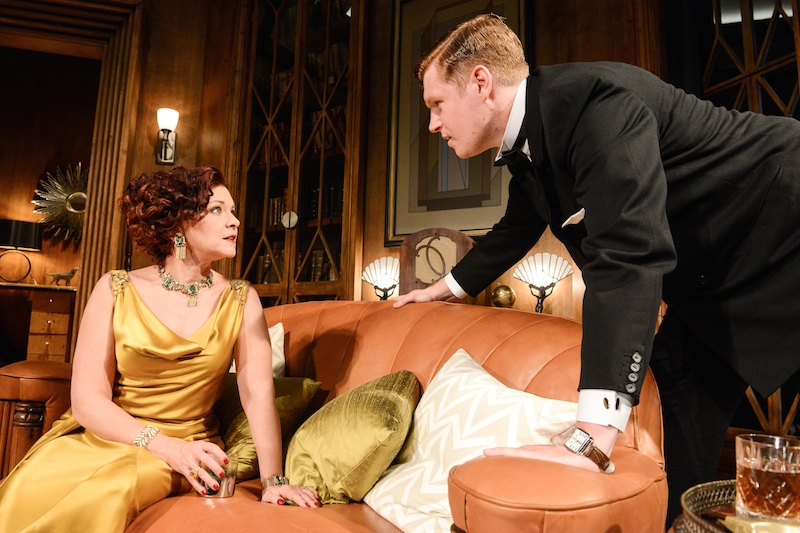 Curiously, Dangerous Corner has more affinity with radio drama than stage; the former is referenced explicitly, and also evoked in recurring tics like characters using one another’s names in every line of address and rather monotonous reliance on expositional recollections. Gary McCann’s sumptuous Art Deco set and lavish period costumes thankfully add some visual interest; director Michael Attenborough has a harder task in galvanising such a stubbornly static piece. His cast pose charmingly, smoke elegantly and do their best to prevent some of Priestley’s more suspect lines creating unintentional hilarity.
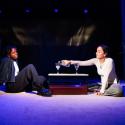
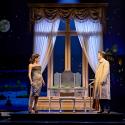
The plot is mainly notable for its painstaking puzzle-box construction, revelations timed with clinical precision as the assembled aristos trade shocking interconnected truths. Gossip-mongering author Miss Mockridge (enjoyable Rosie Armstrong) is initially envious of the “smug little group”: publishing firm partners Robert (Colin Buchanan), Gordon (Matt Milne) and Charles (Michael Praed); wives Freda (Finty Williams, above with Milne) and Betty (Lauren Drummond); and family friend Olwen (Kim Thomson). In typical crime fiction style, the façade is stripped away to expose a colourful list of transgressions, from infidelity and theft to drug-taking, homosexuality and murder.
 However, the subject matter is not, as might be assumed, allied to a radical viewpoint. Priestley is at pains to offer constant moral judgement and argue a strong case for remaining in the safe bubble of self-deception and denial – repression is the better part of valour. Nevertheless, Buchanan is effective at voicing remarkably oblivious Robert’s passionate disillusionment when he realises establishment certainties cannot be relied upon: “We’re not living in the same world anymore.” For a 1930s work, that’s a far more radical idea than the suggestion that people sometimes engage in extra-marital affairs.
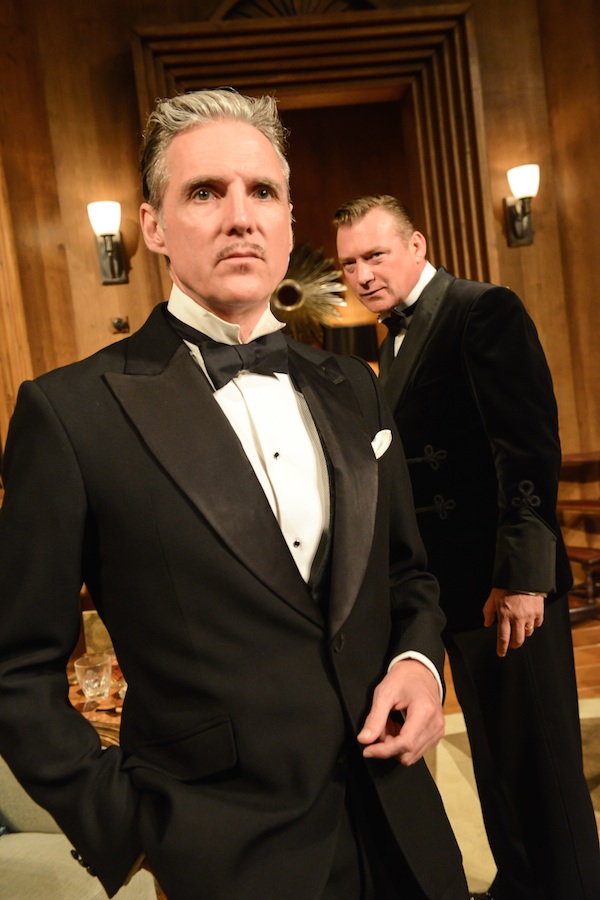
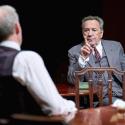
Among a game cast, Praed (left with Buchanan) delights with his debonair, coolly amoral rake who watches the chaos unfold with sardonic pleasure. Thomson brings quiet dignity to Olwen, Drummond relishes her climactic tirade, and Williams effectively circles between grief, venom and wry musing on the etiquette dilemma posed by hosting a suspected criminal. Milne, embracing social mobility by rising from downstairs at Downton to troubled toff, struggles with a character whose defining trait is curious bursts of hysteria, though he and several others do deliver Priestley’s sympathetic portrait of unrequited love.
This theatrical curio is just about passable as pretty pastiche, and arguably contributes to the origin story of a beloved, still-thriving genre, but it's a dead loss in terms of truly resonant revival. As Priestley asserts, sometimes the past is best left undisturbed.



Add comment