It’s a strange time to be alive. Has it always felt like this? When else was there a time when so much felt to be at stake, and the ground moved beneath our feet with the continuous emergence of technologies that affect our everyday lives and our very being, where we know little of our interior selves and yet publish so much about our lives to strangers? We are the chosen generation, we are the people who will be witness to the most radical change in society the world has ever seen! We are fated and also incredibly special! I am special, I must be! And then I remember it has been like this before.
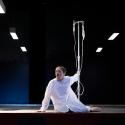
The Industrial Revolution must have felt the same, or similar at least; the day changed, the hours and minutes became regulated with the emergence of the clock and then the watch, the steam engine conquered travel and distance. Time, energy, geography, all came under our power and we under their machines. The quantifiable became king and the murky world of feelings, intuition, imagination found its place much lower down. (Pictured below, EV Crowe)
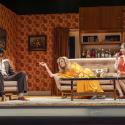
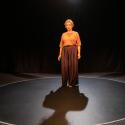
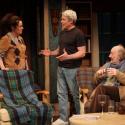
 In The Sewing Group I wanted to write about the moment before change arrived. No watches, no clocks, no electricity. What on earth were people doing? As it turns out some women were sewing. Some women embroidered onto lace for money. This is before the sewing machine, before Ned Ludd and his Ludditte followers rebelled against the mechanisation of weaving. This is just sewing. And then I wondered what it would feel like to watch women sew on stage. Would it be really boring? Would it be a kind of mind rot? Or would it do something unknowable? Would it invite and compel the audience to a place of focus where new information starts to show up; breath, body shape, the pop of the needle coming through the fabric, the strain of the work, the ache for the light of the candle, the shared oxygen, the length of the thread, the rigour of the pattern, the world starts to warp and shift. We’re looking at sewing, yes, but what else do we see?
The American philosopher Lewis Mumford writes brilliantly about the way in which our exterior world affects the shape and make-up of our interior worlds. "With this gain in accuracy, went a deformation of the experience as a whole. The instruments of science were helpless in the realm of qualities. The qualitative was reduced to the subjective, the subjective was dismissed as unreal and the unseen and measurable non-existent… as the outer world of perception grew in importance, the inner world of feeling became more and more impotent."
The clock forced us to internalise a new shape to what we call "day" and so our feelings towards it changed, our interior lives changed. We are the machines we create. In writing the play, it felt incredible to take a moment to wind back to before that shift and to ask, who are we inside? Who were we before it all started? Who have we become? Who would we be if these huge technological changes had never come to transform our lives?