

This concert from the BBC Symphony Orchestra marked the first performance of composer Mieczysław Weinberg at the Proms, an important milestone in the recent surge of interest of his music. When Weinberg, a Russian composer of Jewish descent and Polish birth, died in 1996, he was little known in the West, and had fallen from favour in a post-Communist Russia that associated his music with its Soviet past. But a staging of his opera The Passenger at Bregenz in 2010, sparked a huge revival of interest, especially in Germany, Poland and Russia. This year marks the centenary of his birth, the ideal opportunity for the BBC Proms to feature his music prominently.
The Cello Concerto was written in 1956, based on an earlier Concertino, and premiered by Rostropovich – so he wasn’t exactly neglected in his day. By all accounts, Weinberg was a modest and introverted man, and that comes through in this music. There is little bravura here, and the cello typically intones long melodies, lyrical but hesitant, while the orchestra accompanies lightly, typically with string textures that follow the cello’s reticent harmonic turns. There is plenty of Jewish flavour too: the opening melody soon reappears, but with its constituent intervals all altered to a more Eastern scale, and the second movement has a distinctively Klezmer folk episode. But the work’s quiet ending speaks of a melancholy and introverted temperament, in keeping with the music’s intimate and confessional quality.
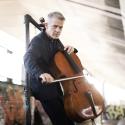
Cellist Sol Gabetta proved an ideal advocate. Her tone is focussed, yet she projects with ease, effortlessly filling the Albert Hall, even with the quietest of phrases. Gabetta is always sensitive to the composer’s constantly changing moods – furtive, questing, plaintive – all delivered with her graceful, singing tone, but never exaggerated or oversentimentalised. The orchestra, and conductor Dalia Stasevska, worked closely with the soloist, bringing an impressive unity of scale and expression. Weinberg’s orchestration here is modest but often adventurous. The opening melody, for example, is supported by a single double bass playing pizzicato, and a prominent bass clarinet part creates similarly dark textures later on. This was an ideal Proms introduction for this much-neglected composer, and to a concerto that looks set to become a repertory staple. 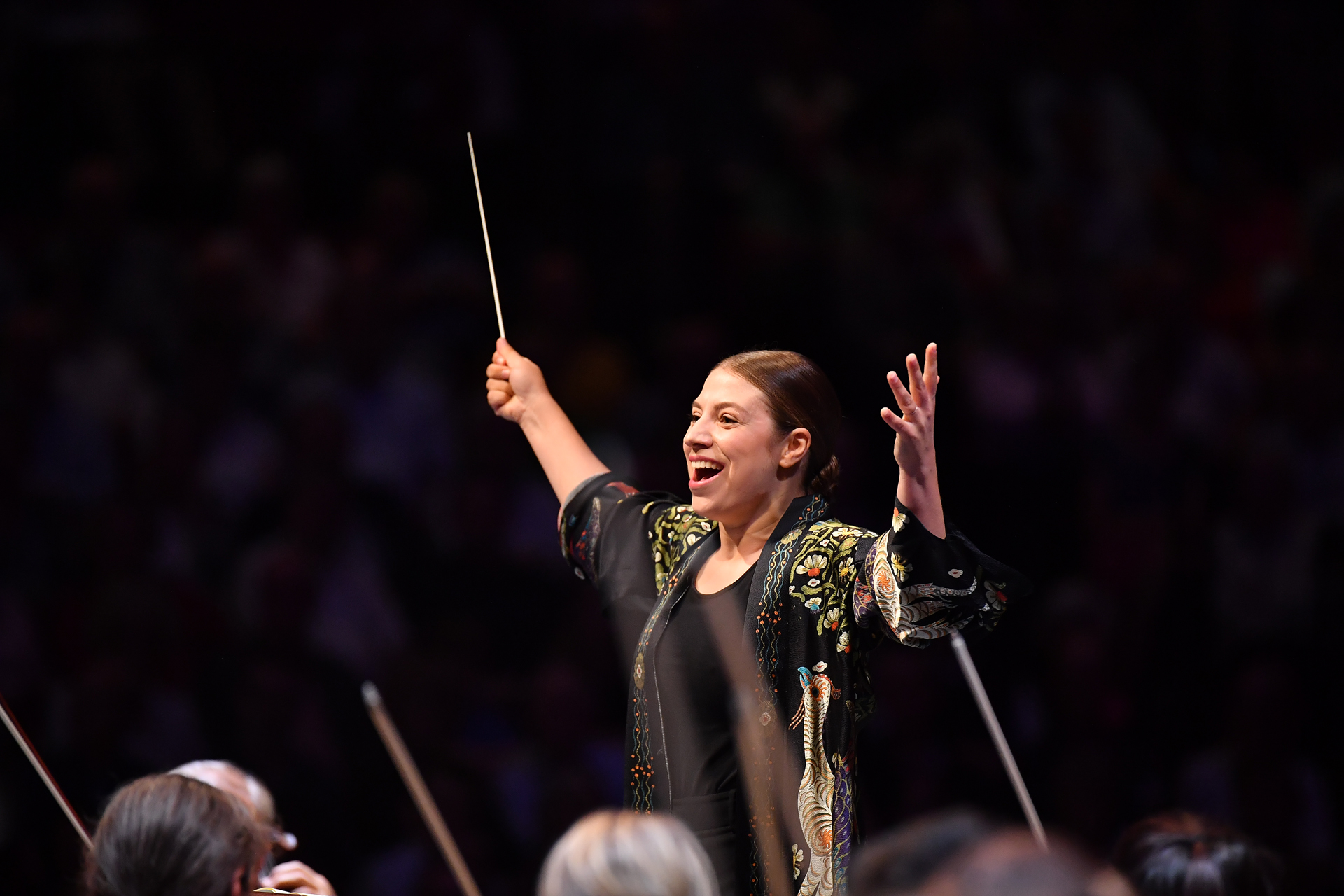 The concert also marked the debut of conductor Dalia Stasevska (pictured above), both to the Proms and to her new position as Principal Guest Conductor of the BBC Symphony Orchestra. They opened the concert with Sibelius’s Karelia Suite. Stasevska worked well here with the strings, who brought an icy chill to the quiet opening. The central slow movement is also dominated by the string section, and Stasevska phrased this music beautifully, the phrases clearly separated, but with each given space to bloom. The other movements were less refined, with some shaky brass ensemble, and a frustrating lack of momentum and weight in the closing bars.
Tchaikovsky’s Sixth Symphony fared better. Again, the strings provided a suitably icy introduction, as well as some impressively controlled but passionate playing in the tuttis. Stasevska’s tempos were mostly moderate, but she brought impressive propulsion and rhythmic bite with heavy articulation in the woodwind and brass. That made for an dramatic first movement, especially with the contrast between the quiet introduction and the brass interjections that followed. The waltz second movement was similarly emphatic, and lacked grace and nuance. The scherzo worked better, although the whole movement was almost sunk by the atrocious acoustic of the Albert Hall, with every staccato brass chord rolling around in the gallery and then returning to us at its leisure. The finale, too, was passionate and emphatic, but without too much lingering sentiment. Again, some nuance was lost, especially in the sudden shifts between textures and moods, which Stasevska often seemed to wilfully ignore. She took a similarly dispassionate view of the quiet ending too, and it was as if the music had simply ground to a halt – a beautifully poignant effect, and all the more tragic for it.





Add comment