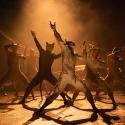
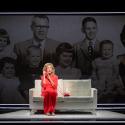
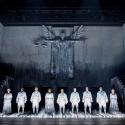
It has been a hard coming for this RSC Winter’s Tale. Erica Whyman’s production was cancelled by the virus days before its premiere last spring, with plans to stage it in the autumn frustrated by the second lockdown. This broadcast version, retaining that original cast in full, is the first time that a RSC production has gone first to screen, scheduled as part of the BBC's Lights Up season.
Needs must, perhaps, and what a frustrating on-again, off-again process it must have been, but there’s little sign of any resulting radical disruption – in a play that itself revolves around radical disruption – in the result. There’s a classical element to Tom Piper’s design that somehow marks the production as a whole, notwithstanding its updating to a modern setting which, most importantly, never imposes itself too far; the text is admirably respected by a cast that feels, if anything, on the restrained side. Isobel Waller-Bridge’s score brings moments of lovely exuberance, as well as the requisite magic, to the final concoction.
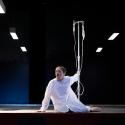
You might have been forgiven for expecting “concept” to be imposed more clumsily, given that the production's setting was announced as “a world where the ghosts of fascist Europe collide with horrors reminiscent of The Handmaid’s Tale”. Its suggested dateline, “between 1953 and 1969 – the years of the Coronation and the moon landing”, feels more aligned to The Crown than to the most evocative and poetic of Shakespeare’s late plays. Those RSC promo copywriters need to relax a little, and thankfully Whyman seems to have done so, allowing details of period to offer insight where appropriate without over-labouring any particular point. (Pictured below, Joseph Kloska as Leontes)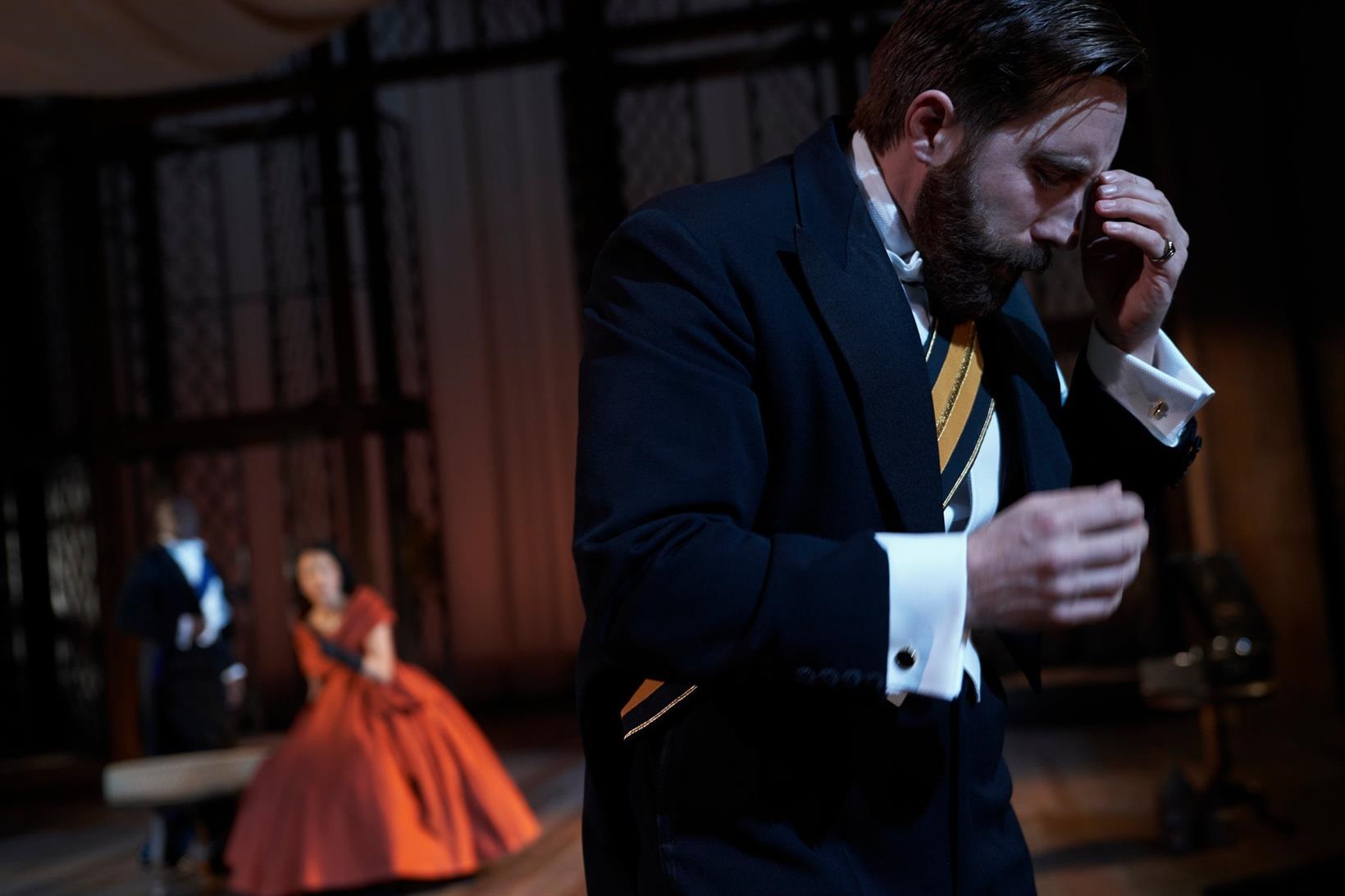 In design terms, Piper has transposed the play’s “noble conflict ‘twixt joy and sorrow” into a juxtaposition of darkness and light. The court in Sicilia was defined by its sombre Jacobean back windows, with a restraint of colour in Madeleine Girling’s costumes that channelled post-war austerity. Whyman’s interpretation may suggest that the jealousy of Leontes is the result of wartime stress, even PTSD, though in Joseph Kloska’s performance he felt like a weak monarch inherently insecure in himself – a hint towards George VI, perhaps, if we follow a strictly British context, though Kloska’s features suggested most of all another uneasy wearer of the crown, Nicholas II, last tsar of Russia (a nice, if fanciful, link to Hermione's remembered origins).
In the latter role Kemi-Bo Jacobs had a sheer poise that transcended everything, showing splendid presence in the arraignment scene, a moment beautifully announced by a lovely strain of music from Waller-Bridge. The restrained elegance of her opening attire has been replaced by simple white and grey, and Leontes has changed too, from strict evening dress into a simple buttoned jacket, not quite military, rather loosely totalitarian. That latter mood was accentuated by the way the court proceedings were reported, as if through television reportage, by a camera-within-the-play, a double screen effect that suggested a world in which surveillance was rife. I was not convinced that the effect, while adding a welcome extra visual layer in itself, offered much more in wider resonance, especially when it returned again later.
Nor was everything quite right with Paulina (Amanda Hadingue), who was far too restrained for a presence that should intrude, shrew-like, into Leontes’ madness, and later his remorse. Playing more like some composed spinster presiding over a church fete with reprimands, Hadingue’s Paulina was just not “audacious” in the way she has to be, no “gross hag” even in the wildest imagination (though since Sirine Saba’s performance in Blanche McIntyre’s 2018 Globe production, the bar has been set high). There was a paradox here, because otherwise Whyman’s updating to the post-war era did work on the emancipation front, especially in its casting of the Delphi envoys as women, played with a relaxed surety that surely spoke of ATS or other such wartime experience.
 As far as extra female force went, Whyman’s most distinctive addition – best left as a plot spoiler, perhaps – came in stage drama’s most challenging stage direction, “exit, pursued by a bear”. Then followed the Shepherdess (Zoe Lambert, northern, lovely) and her son, who was one of two characters here to perform in British Sign Language, and wonderfully expressive in the way he recreated the storm, and we were in Bohemia. Very nice that this Bohemia actually felt a bit bohemian, with a hint of the freedom of the Sixties after those repressed Fifties, though thankfully we didn't get the whole RSC shenanigans when it came to suggesting the liberation of that later generation.
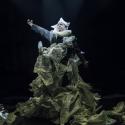
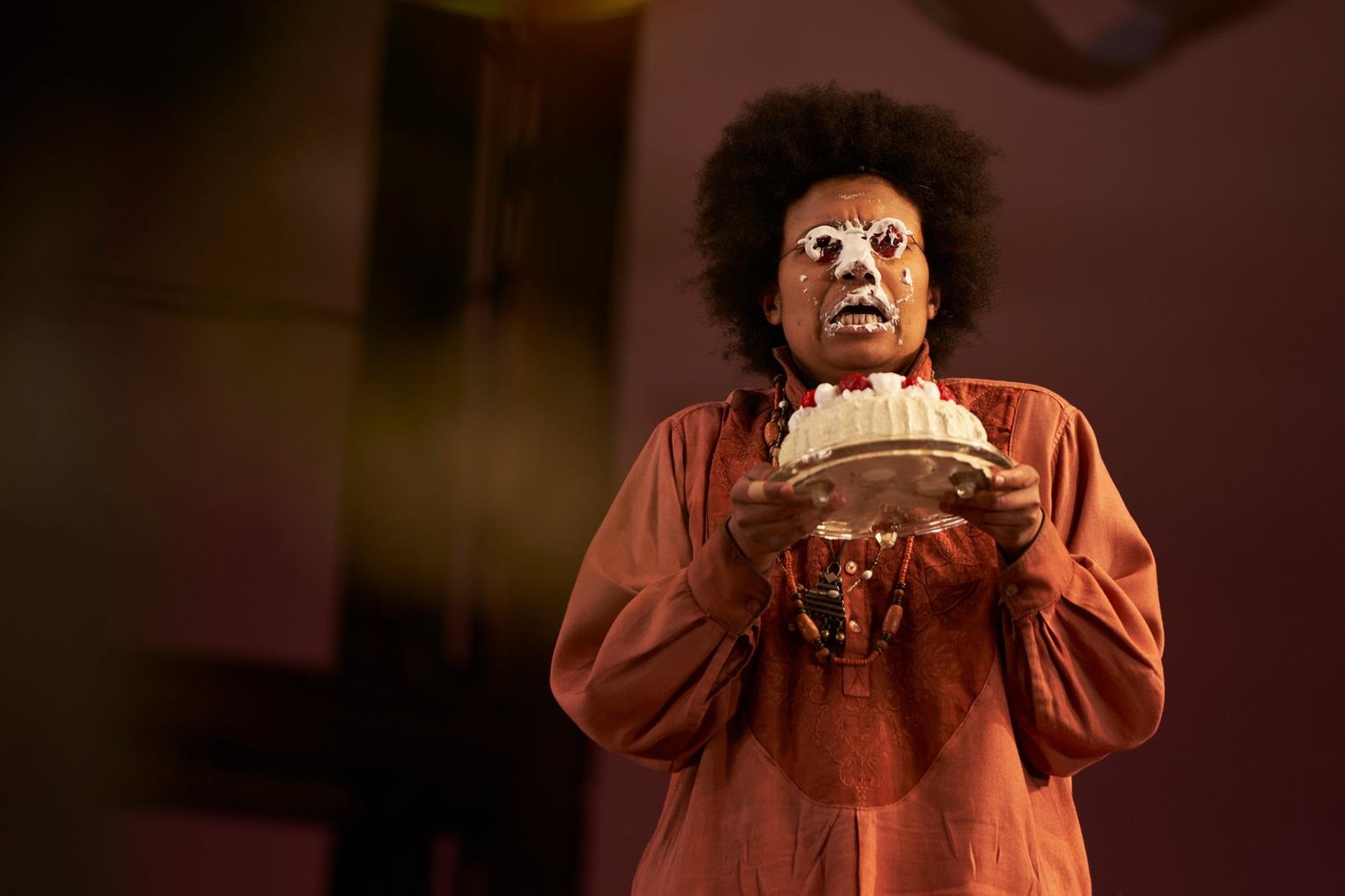
Instead there were pastel colours for Perdita (Georgia Landers) and Florizel (Assad Zaman), matched by Piper’s rose-tinted backdrop, which ingeniously varied those opening Jacobean slats for what looked, for a moment, like a gasworks, before we moved into the country proper. The winning presence here, turning up on a Vespa, was Anne Odeke’s Autolycus (pictured above), complete with the occasional pandemic-relevant interpolation and enviable mannerism when the time came to play courtier, and the action duly returned to Sicilia for its always moving finale, which perhaps didn't resound as tellingly here as it can.
Autolycus can be a touchstone for personal taste in any Winter’s Tale, and Odeke was delicious here across the whole gamut, from singing voice through to cream-cake comedy. He was somehow both within and without time, which at its best was what Whyman’s production achieved too, an effect organic rather than forced. A small associated quibble: for a filmed adaptation this could surely have veered rather more towards the filmic.