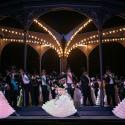
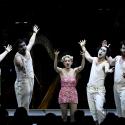
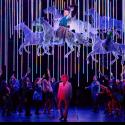
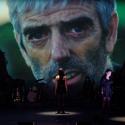
The anything-goes context of Tête à Tête's enterprising opera festival at the Riverside Studios, now in its fourth year, seemed like a good place to try it out before a packed and intrigued audience (a full production is on the way, and will feature the film sequences that constitute such a novel and integral part of the experiment). Some of us needed little persuading that Martinů was always a true original in everything he touched, even if the masterpieces were yet to come in the next few decades of exile and homesickness for his native Moravia. UK audiences have already had a chance to judge the extreme poignancy of the dream-opera Juliette, and anyone who holds it dear will find many of the same themes here.
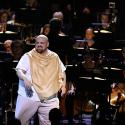
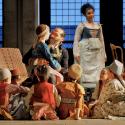
Unless you already know the Supraphon recording of The Three Wishes, you would have been left guessing about Martinů's singular 1920s soundworld from the voices-and-piano-only preview of scenes from Act One (the cutting edge of the pit band in The Knife's Tears, though, already promised wonders in store from Second Movement). We saw rumpled, shooting-mad Monsieur Juste (Paul Carey Jones) and his dream-obsessed, dissatisfied wife Indolenda (Lexi Hutton) at loggerheads, the hunter's discovery of a very peculiar fairy (Alison Dunne) and the launch into the first of the three wishes.
The singing was already fully expressive of the action, the staging energetic and perceptive, the few props (bed, dead animals, snazzy supernatural costume) inventive. Pianist Will Gardner led us pluckily through the jazz and ragtime of the music, building little set-pieces out of shreds and tatters. It's got to be more sophisticated than Scott Joplin's Treemonisha, but then as a Martinů nut, I would say that, wouldn't I. Can't wait to see more.