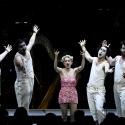
The conundrum of five women, three of them men, is the same as it was in the last Serse I witnessed, in the more intimate surroundings of St Martin-in-the-Fields. Paula Murrihy then sang the role of Arsamene, playing brother to Emily D'Angelo's Xerxes and lover to Lucy Crowe's Romilda. Now she's the imperious, capricious ruler to the life, totally different from D'Angelo's but just as valid. The only comparative shortcoming was that compared to Harry Bicket getting bite from The English Concert, Laurence Cummings had the Academy of Ancient Music play sprightly principal boy rather than fiery emperor - or so it felt from the back of the Barbican stalls.
Under the circumstances, it seemed fine that audience members drifted in during a generic-feeling Sinfonia, less so once the action got under way. Handel wants it both ways in his most amusing love-imbroglio, though asking us to take any of the characters seriously in their heartache is a step too far (that had to wait until Mozart). It's funny-odd that he, or rather the libretto he drew on by Silvio Stampiglia, grafts two incidents from Xerxes' biography - his love for a plane tree, which yields the ineffable "Ombra mai fu" at the start of the opera proper, and the bridging of the Hellespont, on to an entanglement which could involve any royalty, any commoners. Many numbers are interrupted by the action, showing Handel at his most experimental (or maybe just returning to the manner of an early music-drama, Agrippina); Cummings was at least perfect with the flow.
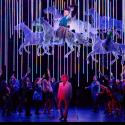
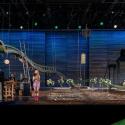
Though everyone here interacted beautifully and easily, Serse probably needs the kind of staging with which Nicholas Hytner kicked off the liveliest UK Handel revival at English National Opera, when Ann Murray sang Xerxes. Murrihy, next in line of lighter Irish mezzos with the easiest of upper registers, floated high phrases like a Stradivarius and despatched the supreme test of "Crude furie" with perfect panache.
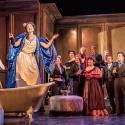
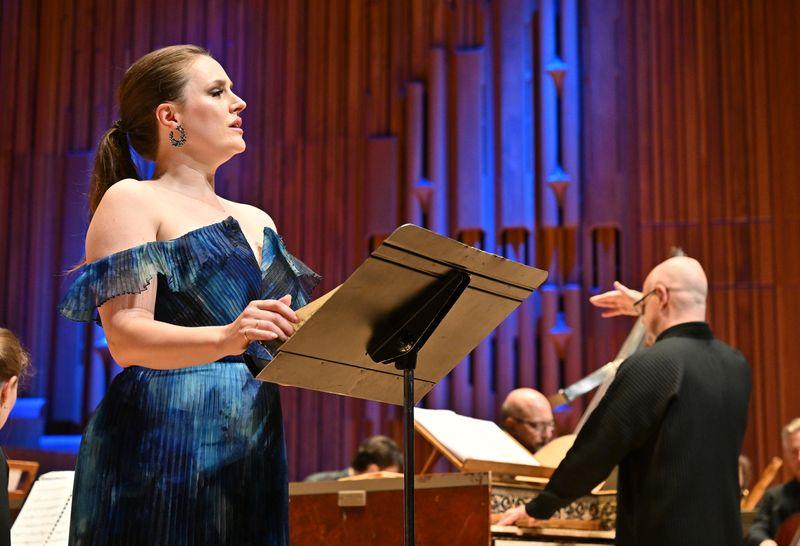
Alder (pictured above with Cummings and the AAM) seemed a little less than her usual focused, ebullient self as the woman Xerxes loves who loves his brother, but her Romilda was impeccable in response and characterisation, at least as far as that can go.
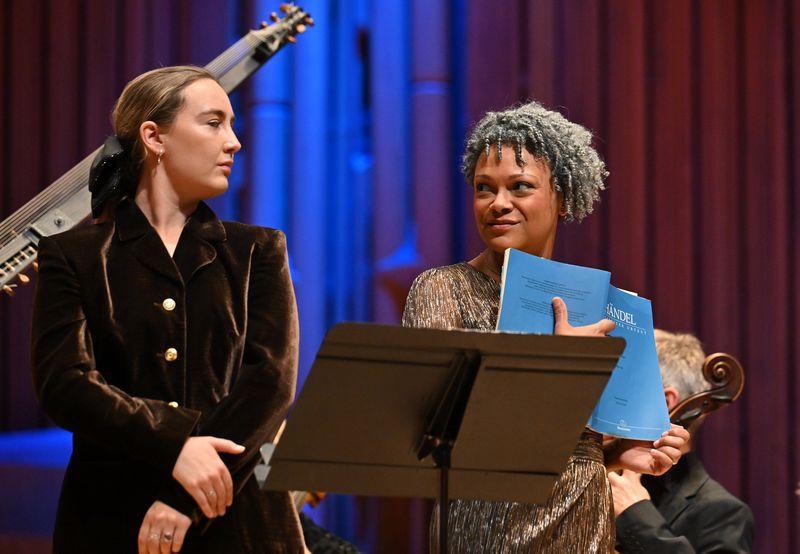
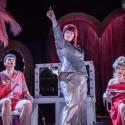
Rachel Redmond, a lighter soprano but another fine stylist, stole every scene as the troublemaking Atalanta. It's easy to stick the lable "minx" on the girl and serve up a caricature, but Redmond's reactions were always real and funny. She held her own in "Un cenno leggiadretto" following Alder's "Se l'idol mio" at the end of Act One.
In less good voice on this occasion was the usually fine Rebecca Leggett as Arsamene. The duet "Troppo oltraggi la mia fede" needed both Leggett and Alder to be more fierce, though Cummings' lightness didn't help; as before, I couldn't help hearing Valerie Masterson and Christopher Robson going at it with "so inconstant/stony-hearted" in the ENO Xerxes, a performance for the ages. The supertitles here, by Cummings and Stefanie Feyerman, caught the wit and colloquialisms where necessary and helped along the excellent Thomas Chenhall in the tricky role of comic servant Elviro.
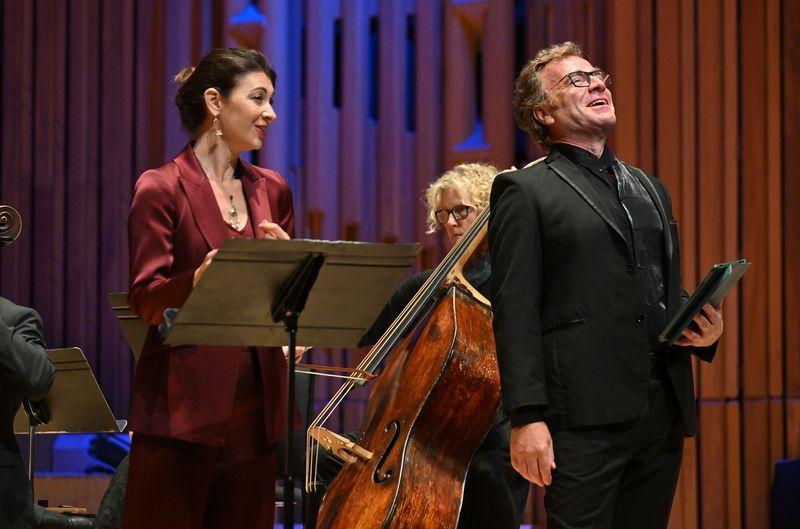
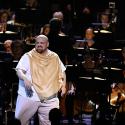
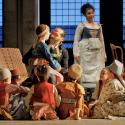
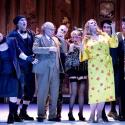
Completing the cast were Claudia Huckle as Amastre - good to have a velvety contralto offsetting more sopranoid voices, though the role isn't so rewarding - and Luca Titotto's Ariodate, a confused father to Romilda (Huckle and Titotto pictured above). All bar Serse sang in the mid-act choruses, with the addition of two more male voices (uncredited in the programme), graced by David Blackadder's clarion trumpet in the outer acts and horn-players Gavin Edwards and David Bentley at the centre of the opera. Shortcomings overcome, the happy ending left all of us feeling warm inside; Handel's lightness of touch wins out.