Reader, I confess that I entered the dark space of Pélleas et Mélisande at Snape Maltings with a prior conviction: that, although musicians adore (for the best of reasons) Debussy’s sole completed opera, audiences sometimes simply endure it. However, strongly singers and orchestra (here, the BBC Scottish Symphony Orchestra with Ryan Wigglesworth) convey this dense-woven tapestry of suffering, foreboding and confinement, the first half especially can make listeners echo Pélleas’s cry down in the airless vaults where Golaud drags him: “I’m suffocating.”
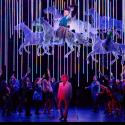
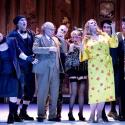
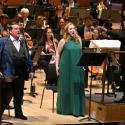
Wigglesworth, his wholly committed players and a luxury cast of distinguished vocalists, did almost everything they could make Rory Kinnear’s semi-staged production for the Aldeburgh Festival breathe and move (pictured below). Yet still (for me) the interval brought a welcome release into a fresh, rose-tinged sunset over Snape marshes. Of course, we then return for a more approachable fourth-act explosion of lyrically-scored passion and violence that almost takes us into Puccini-land (he greatly admired this work) before, in the fifth, that mesmeric – but potentially gruelling – sense of brooding stasis settles once again.
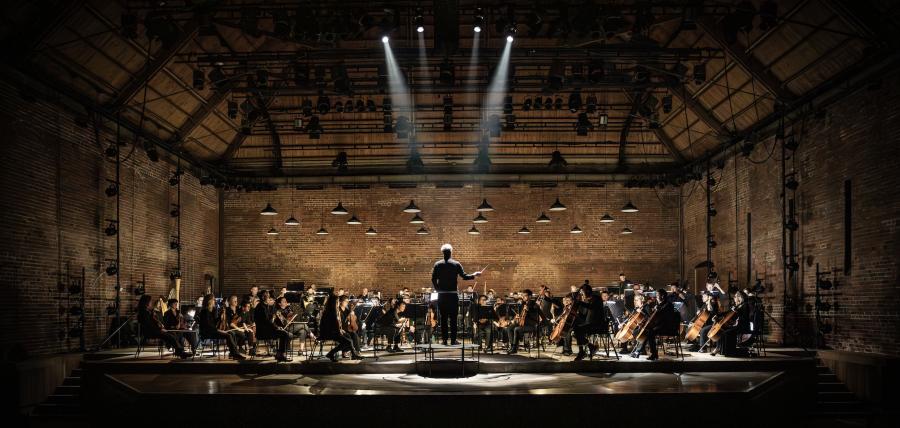
In the fairy-tale forests of “Allemonde”, the perpetually weeping lost princess Mélisande falls into the hands of a sinister, dysfunctional royal clan. In their stifling, shadowed castle, underpinned by vaults and caverns, half-brothers Golaud and Pélleas vie for her love under the palsied rule of the blind king Arkel, as Golaud (who has married Mélisande) dives deeper into paranoid jealousy. Everybody hurts; everybody cries; everyone has turned grey yet still behaves like children. Some curse has stopped or scrambled the normal flow of time. Yet somehow this pervasive misery is nobody’s fault. Or so the men will claim.
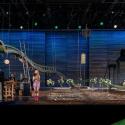
With no sets as such and fairly minimal staging, Kinnear’s direction, and Vicki Mortimer’s design, can do little to give a visual impression of the Wagner-era Magical Celticism of the Maeterlinck drama Debussy set. At one point, in this libretto stacked with ominous symbolism, Mélisande actually sings that “Winter is coming” – and there is something very Game of Thrones about this doomed and afflicted household. In the Aldeburgh version, neutral almost-modern costumes also bring home the work’s affinity with the claustrophobic late-Victorian domestic tragedies of Ibsen, Shaw or even Henry James. We’re not far from the toxic secrets and lies of A Doll’s House or Ghosts.
However, music overwhelmingly carries meaning here: Debussy’s innovative, super-flexible cantilena line, bringing the operatic voice closer to everyday speech despite the fantastical medievalism of his setting. Meanwhile, Wigglesworth and BBCSSO made each kaleidoscopic shift of orchestral colour count. Wigglesworth’s immersion in and passion for this work came across in ever-mobile tones and textures, from shimmer to sparkle, from smoulder to blaze. I heard not so much distinctive sectional accents (although the uncannily eloquent woodwinds certainly oozed mystery and menace) but a total soundscape that, from cavernous gloom to sunlit ecstasy, matched every gradation of dark and light. Debussy mostly avoids stand-out set-pieces in this fluid, endlessly-spun sonic tapestry, but the BBCSO aced their brief passages of rapture: above all, when Pélleas quits the vaults and emerges into a dazzling musical sunburst.
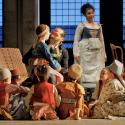
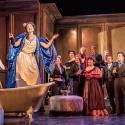
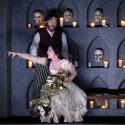
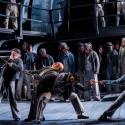
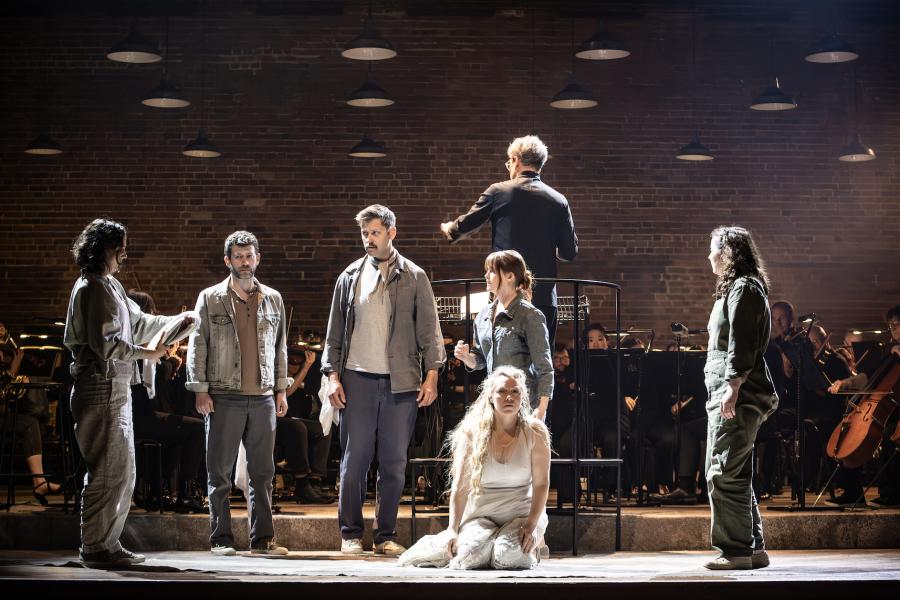
Mélisande stumbled into this eerie house of horrors accompanied by silent helpers who – as servants, forest sprites or even the flock of sheep we encounter later – would mitigate her solitude and do their wordless best to protect her from the moribund patriarchy of Arkel’s creepy realm (pictured above). Characters roamed, effectively, through the orchestra itself, which became both the trackless forest and the dank passageways of the castle. Paule Constable and Imogen Clark's lighting designs did their impressive best to match the transit from gloom to glare, and all levels in between, constantly evoked by music and words alike.
Less happily, the back of the conductor’s raised podium served as the overcrowded focus of much of the action, from the tower where Mélisande lets down her cascade of hair, Rapunzel-like, to the site of Golaud’s confrontation with Pélleas. This tiny patch had too much work to do while the broad stage expanses of Snape went somewhat under-used. It even became the boulder that little Yniol (Golaud’s son by his dead first wife) fails to shift when he loses his golden ball. We need images of oppressive claustrophobia, for sure, but this focus courted bathos.
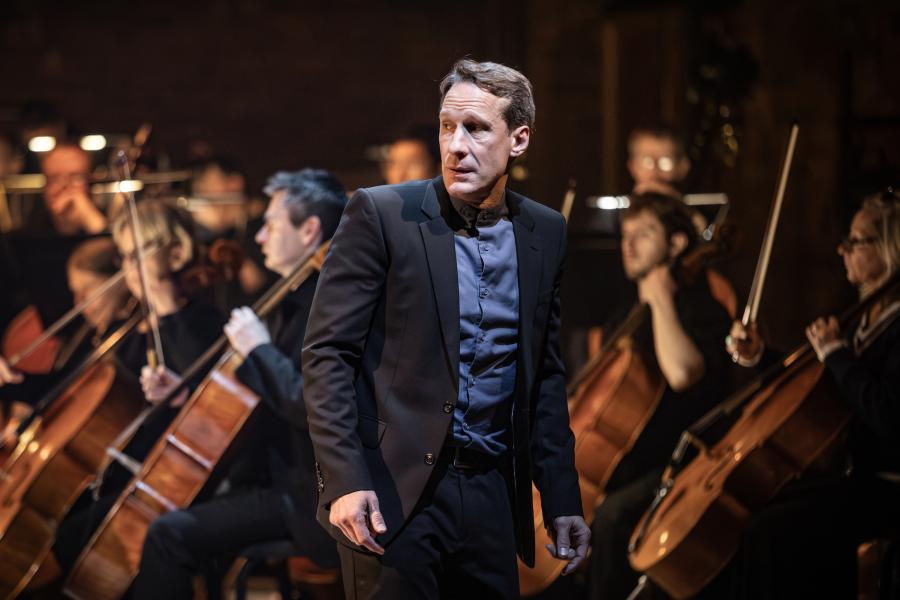
The principals gave us all the strength, stamina and refinement that these demanding parts require. Sophie Bevan’s Mélisande delivered enigmatic poignancy, pathos and inscrutability – but, rightly, she could be cussed and challenging, not simple a cipher of abused victimhood. Her modal folk-song, when the score effects one of its captivating swerves into melodic fullness, was properly magical. Jacques Imbrailo (pictured above) has excelled as Pélleas before, and at Snape his tender but robust high baritone captured both his naivety and, increasingly, his romantic ardour.
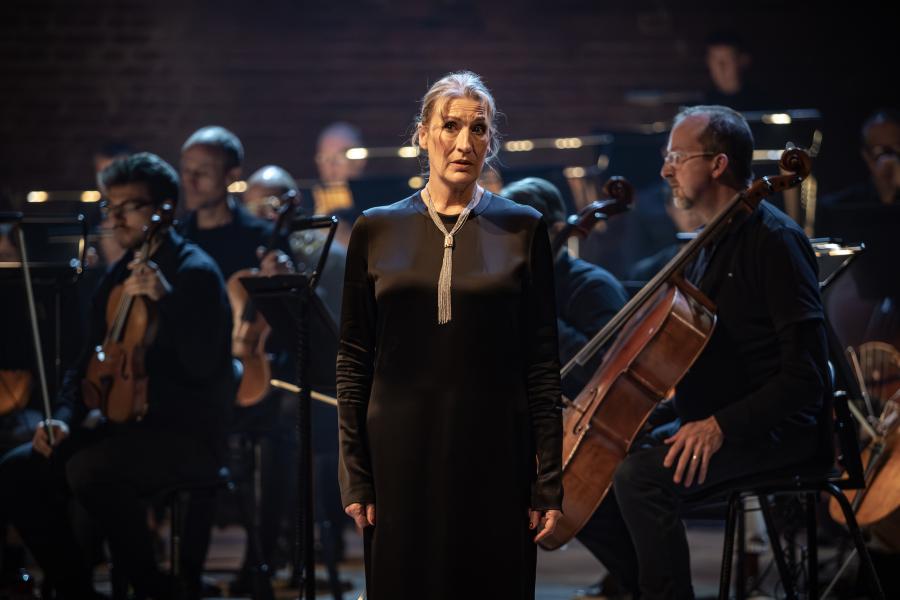
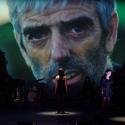
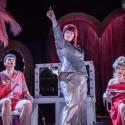
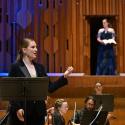
Golaud’s macho, possessive and (in the end) fatal sense of entitlement can make for a rather thankless part: here, Gordon Bintner’s bass-baritone, muscular but never crude, painted a credibly lovestruck and spellbound prince as well as, later on, a dangerous paranoiac. Sarah Connolly’s Geneviève, Golaud’s mother, steered through her vocally tricky letter scene with nerveless expressive skill (pictured above), while Beth Stirling’s soprano Yniold crafted a touching vignette of the pain handed down by these generations of tormented and tormenting men.
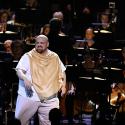
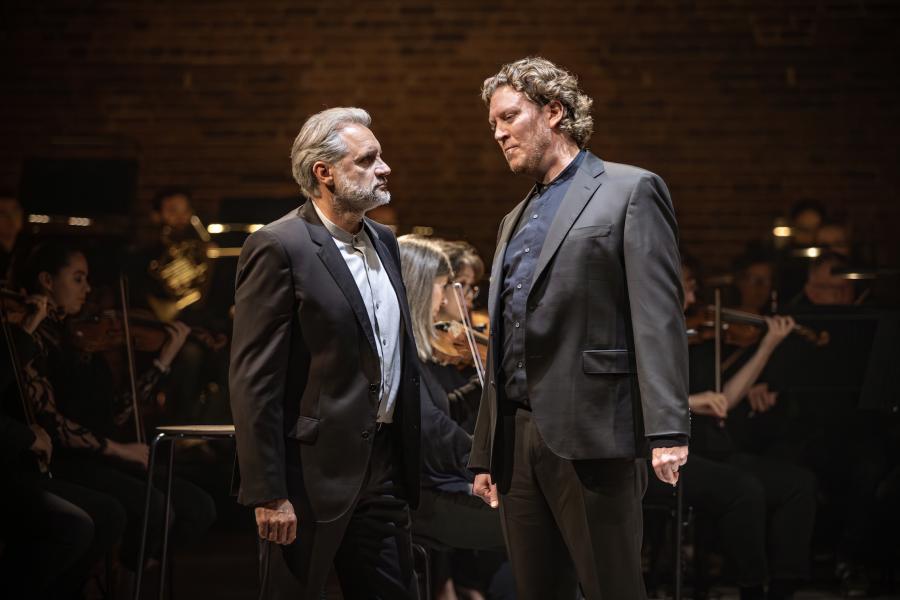
Nicolas Testé’s bass Arkel (pictured below with Gordon Bintner) had terrific authority, power and presence – which only made his sleazy approaches to Mélisande even nastier to witness. At the close, the frail princess’s silent supporters hint at resistance to this mouldering castle of corruption and abuse.
To the final bar, however, it’s the musical edifice so meticulously built up by the BBCSSO that both offers us a route both into this place of darkness and, in flashes and surges, leads us out the other side. To non-devotees, the journey can still have its longueurs, but Wigglesworth and his crew more than justified the trip.