Any programme featuring Gershwin’s top large-scale works might tend to the “pops” side. Bernstein’s West Side Story Overture and even the sweet dream of Florence Price’s Adoration fit that bill. But An American in Paris sounded completely different from usual, its radical side highlighted, following Ives’s Three Places in New England and Ruth Crawford Seeger’s Andante for Strings.
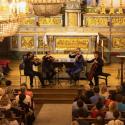
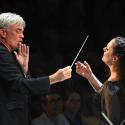
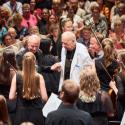
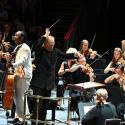
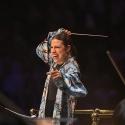
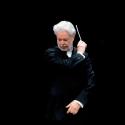
Enterprising Tom Fetherstonhaugh and the (equally) young professionals of his Fantasia Orchestra have been regular visitors to Proms at St Jude's Music & Literary Festival – to give the full, unwieldy name of this venture with its epicentre in Hampstead Garden Suburb – and they share the festival's values of musical opportunities for even younger players, highlighted in the Schools' Prom on 27 June (they also support excellent causes like the North London Hospice). This concert began with a fanfare by 11-year-old Isabella Paulmichi, joint winner with Leo Sellis of the annual Fantastic Fanfare competition. 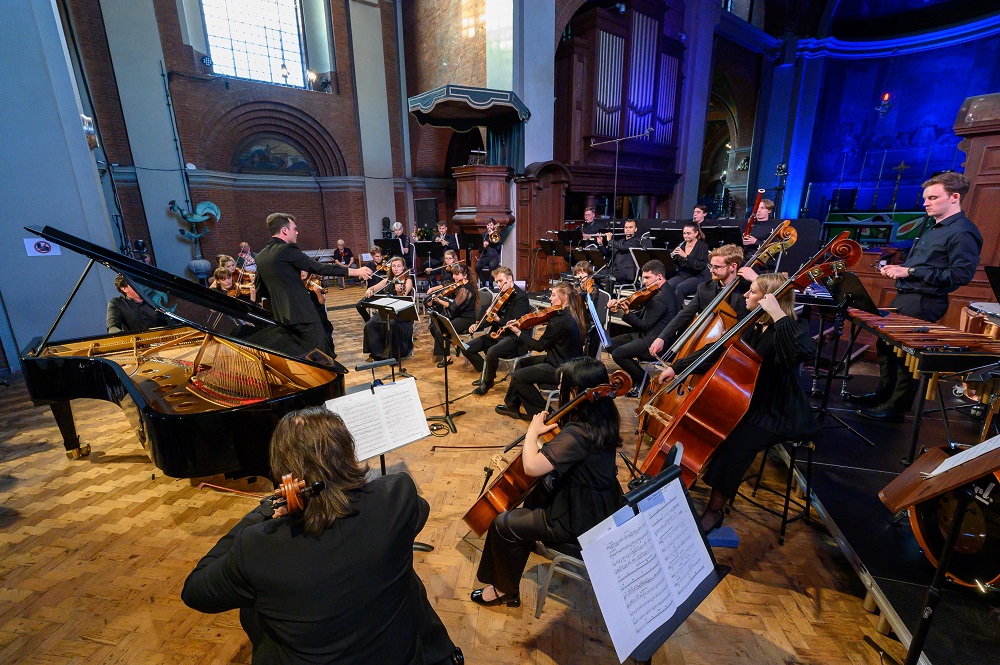 Then we were off on the roller-coaster ride of the ensemble where Bernstein first placed "Tonight" in West Side Story before deciding that it should also be the main love duet earlier in the drama. St Jude's may be inartistically frescoed and not the loveliest setting, but it's also not too reverberant, or maybe Fetherstonhaugh worked especially hard on focus; strings soared and glowed like a top orchestral section, brass packed the right punch (and the shouted "Mambo"s were loud and clear). Price's now-ubiquitous miniature served as a pretty interlude between romps.
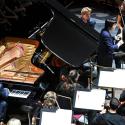
I've heard live wire Martin James Bartlett play Rhapsody in Blue three times now, and on each occasion he's seemed to be improvising and totally in the moment. Gershwin would love him. From big concerto roar to Lisztian transcendental delicacy, strutting ragtime to luscious romantics, he ran the gamut. The big screens placed around the church allowed us to read his expressive face at every turn, too. I guessed that he'd play a Gershwin transcription as encore – Earl Wild mixed with a touch of Bartlett – but he wrong-footed me, and how: we were thrown in to a South American blaze with the fearsome third of Ginastera's Danzas Argentinas. To get something of the spirit, watch this performance on YouTube.
The Fantasia players kept tabs on Bartlett's rhapsodizing unerringly, but the real places to show their class – and Fetherstonhaugh's meticulous preparation – were those selected by Ives in his uncanny/crazy triptych. The treacherous time-switches and the difficulty of keeping apparent chaos in focus posed no problems in the central knees-up of "Puttnam's Camp, Redding, Connecticut", while the uneasy idylls of the outer movements held their spell in a space that served them especially well.
It was another bold stroke of Fetherstonhaugh to mirror the simple Price in the middle of the first half with complex Ruth Crawford Seeger, the Andante derived from her String Quartet, in the second. "Heterophony of dynamics," as the composer put it, polytonality, staggered entries and a "melodic line" not so easy to discern make for a lot to absorb in a very little space, but the performance was a beauty. 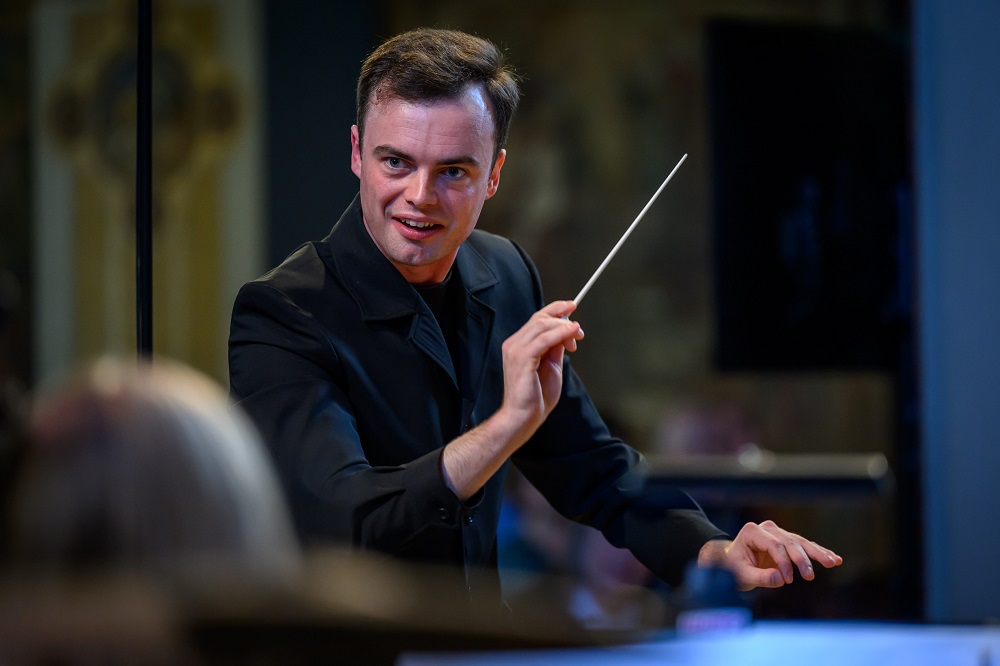 As Fetherstonhaugh's pleasant spoken introduction to the concert made us aware, so much range from very different composers covers a mere half-century, and An American in Paris was composed a year before Ives made his final revisions to Three Places in New England, three before Seeger's Andante. Iain Farrington's slight downscaling kept the car horns, had to substitute a double-bass for one of the best tuba solos in music, albeit a short one; yet the lurid, even modernistic, melee still worked, and trumpeter William Thomas handled the raucous Charleston as well as the famous blues tune with the right individuality (ditto clarinettist James Gilbert kicking off the Rhapsody in Blue). More of the fine young players were spotlit in an irresistible second half encore, Billy Strayhorn's Take the "A" Train for Duke Ellington and his orchestra, again ingeniously arranged by Farrington. Everyone left happy.
- Proms at St Jude's continues until 30 June
- The Fantasia Orchestra plays two Proms with Braimah and Sheku Kanneh-Mason and Plinio Fernandes at the BBC Proms – Prom 20 and the relaxed version, Prom 22
- More classical reviews on theartsdesk