It’s as intricate as it is concise. The depth to the architecture of James MacMillan’s Saxophone Concerto – which was given its world premiere this week by saxophonist Amy Dickson and the Scottish Chamber Orchestra – is quite astounding, and all the more so for being packed into three five-minute movements. As with much of MacMillan’s music, the work is inspired by Scottish folk tunes, which certainly takes the saxophone into unusual territory in this concerto for solo instrument and string orchestra.
The first movement, based on a march, strathspey and reel, is tight and spry, with the solo saxophone’s Scotch snaps pitted against sharp, jabbing chords in the orchestra. Under the smooth baton of Joseph Swensen, the strings then took over the spiky, syncopated rhythms while Dickson propelled wild glissandos over the rambunctious accompaniment. The second movement is far more calm and pensive, though by no means serene. It’s based on Gaelic psalm singing, a type of devotional singing common to the western isles of Scotland, where the church congregation follows the minister in song. Here the saxophone acts as the cantor: Dickson’s clear, controlled playing led the orchestra, as the strings gave a hovering, haphazard sounding echo, wonderfully illuminating the numinous nature of the movement.
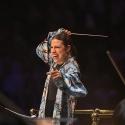
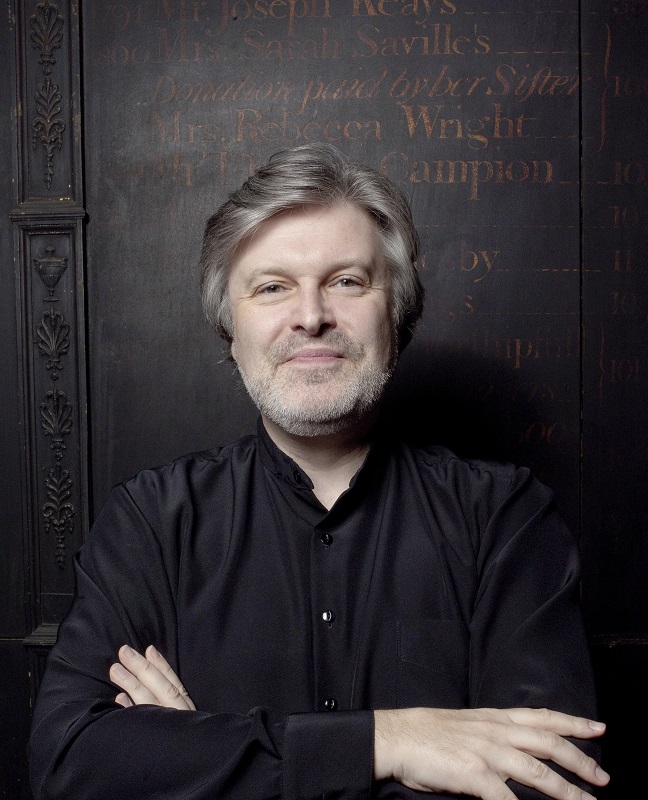 MacMillan (pictured right by Philip Gatward) then moves into party mode as the finale takes on the form of a jig. The infectious rhythms are uplifting though still challenging, as the music takes unexpected twists and turns. Dickson’s percussive yet glassy playing in her short cadenza gave the penultimate bars a piquant punch.
The second half opened with another saxophone concerto, yet one worlds away from MacMillan's. Alexander Glazunov’s richly romantic exercise in the genre gave another chance for Dickson to shine in a completely different musical light, as well as for the orchestra to showcase their versatility. If Dickson’s virtuosity wasn’t made clear with the Macmillan, it certainly was here, as she took command of the music with strong aumbachure and supported playing.
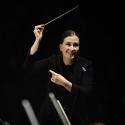
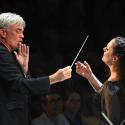
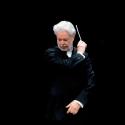
The concert began with Sibelius’s take on Pelléas and Mélisande. Having performed Fauré’s interpretation of the tale earlier this season with conductor and oboist François Leleux, the orchestra was drawn in this performance further into the ill-fated pair’s’ tale, illustrating Sibelius’s Suite drawn from his incidental music to Maeterlinck's play with a rich tenderness. The opening movement – at the castle gate – began with rich, raw tones in the strings, before the second rocked and swayed with rounded pizzicatos. The pastoral themes in the music were poignantly underpinned by a softly menacing factor from the low strings, hinting towards the two lovers’ ultimate tragic end.  As if these aural gems were not enough for one programme, the concert ended with Beethoven’s Eighth Symphony – nicknamed by the composer "the little one". Yes, it’s short, but it’s by no means shallow in its exponing of themes and ideas. The orchestra, under Swensen’s adroit, sometime flamboyant baton (the conductor pictured above by Lukasz Rajchet), came into full bloom for this last offering. The electricity throughout the entire piece was enormous, with energy flowing through every vein of every chord. From sparky, zippy melodies to lush, full chords, the whole of the symphony’s realms were executed pretty much perfectly. Swensen teased out the sly syncopations of the third movement almost right to the edge, though he could have perhaps been a little more daring – after all, this is an orchestra that’s got the synergic flexibility to take a few risks with. In fact, it’s an incredible bunch of players. Performing with such aplomb repertoire as the pictorial Sibelius, the visceral Macmillan, and, of course, the tenacity of Beethoven’s Eighth in one performance is a testimony to the wide-ranging skills and strengths of this fabulous orchestra.