The Dunedin Consort are most readily associated with the music of the Baroque, but this concert showed that they’re every bit as good at playing the music of the next generation. At times, in fact, I was taken aback by the magisterial scale of the orchestral sound as they played Mozart’s great C Minor Mass.
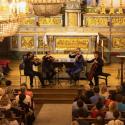
There was wiry intensity to the period-instrument strings of the opening of the Kyrie, but this was always a sound of commanding strength, one where hair shirts were left in the cupboard and a sense of scale was allowed to have its impact. Director John Butt used the new edition (Breitkopf) by Clemens Kemme which makes some amendments to the sections that Mozart left unfinished. The most noticeable impact comes at the remarkably punchy opening of the Credo, which positively bristled with trumpets and drums in a way that caught me unawares. 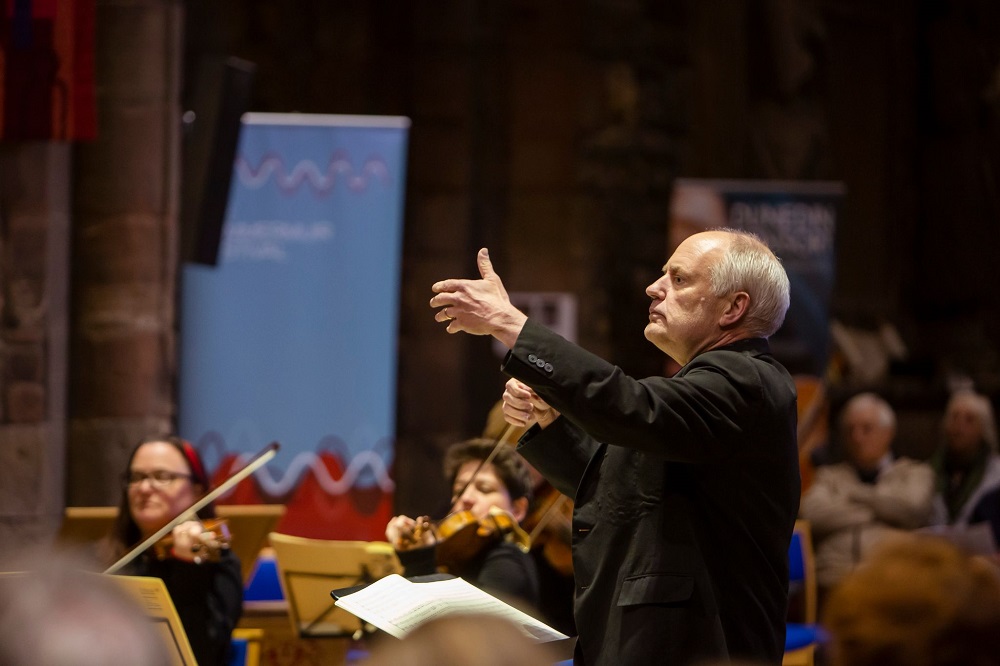 Other changes are less apparent, but the overall impression of the performance was of how magisterial a sound the Dunedin players can make, even with such a small cohort of strings (eleven altogether), sounding terrific in the vaulted splendour of St Mary’s Church, Haddington.
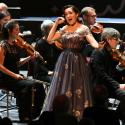
The same could be said of the chorus of only 10 singers who nevertheless created a splendidly full sound. The bass line sounded a little thin, hardly surprising when sopranos outnumber basses two to one, but that was still a bit of a shame. The choristers’ explosive excitement at the start of the Gloria was probably the evening’s highest impact moment, and Butt was happy to reconfigure them in different formations to accentuate on the one hand the neo-Baroque scourgings of the Qui tollis and, on the other, the polychoral conversation of the Osanna. There were occasional lapses of ensemble, but that was largely down to having the singers standing in line with the conductor. No doubt that will be ironed out when, over the next week, this team take this work into the recording studio, with a CD due out next year. 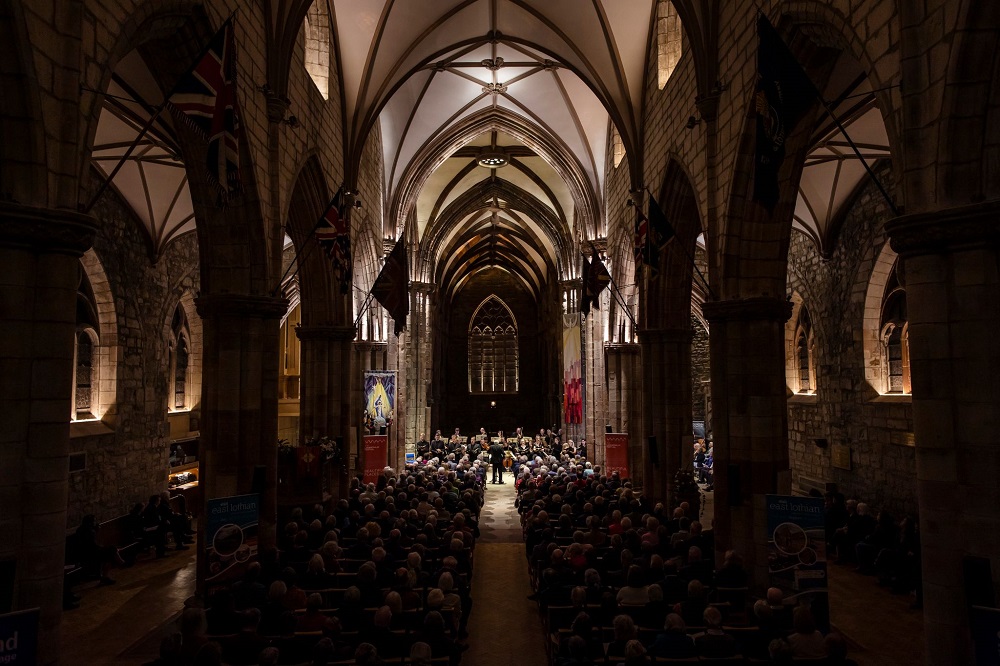 The brightest stars were the soprano soloists, however, and what a luxury to have both Lucy Crowe and Anna Dennis singing in the same work. Both have star quality, but it’s a different kind of magic for each. Crowe’s voice is rich, full and splendid, and she got the two big moments in Christe and Et incarnatus est. Dennis’ is humane, warm and creamy, and she sounded thrilling in Laudamus te. When the two joined forces in Domine Deus the sound was completely extraordinary. When tenor Benjamin Hulett and bass Robert Davies joined them for the Quoniam and Benedictus, they really never stood a chance.
Their choice of companion work was also on the programme in 1785 when Mozart gave the only known performance in Vienna of music from the mass, rearranged as his oratorio Davide penitente. Haydn’s symphony was every bit as colourful, with lovely warm string tone at the start of the slow movement and generally gorgeous winds that twittered repeatedly with ear-tickling delight.