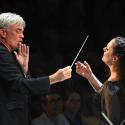
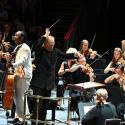
As those of us who were there at what turned out to be his unofficial inaugural concert with the Irish Chamber Orchestra will know, Henning Kraggerud dances, and makes sure his fellow players can follow suit without self-consciousness. His theory is that Mozart must have danced a lot, too; his music certainly does, even as it sings.
This programme drawn from Mozart's earlier compositions took us from a vital symphony by the 18-yearold genius to the middle movement of a violin sonata which, Kraggerud argues, ushered in a deeper vein given the 22-year-old's grief at the death of his mother.
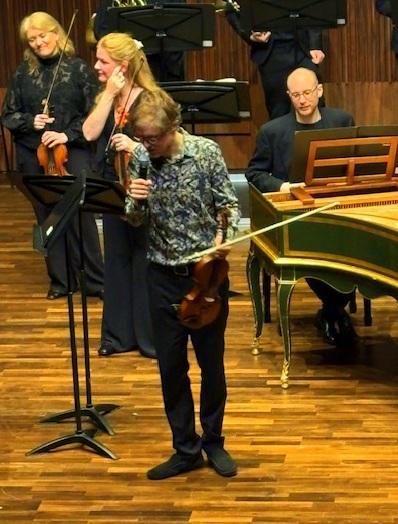
For me, this was the real surprise of the afternoon. Kraggerud has a way of slimming down his beautiful violin sound to a silver thread, and in perfect partnership with harpsichordist David Gerrard, he made the Tempo di Menuetto of the 21st Violin Sonata - the only one in a predominantly minor key - sound like transfigured mastery, moving from E minor to the radiant E major of the trio and back again. The other players, sitting around the two soloists, must have felt blessed to hear this in all four concerts of the latest Irish mini-tour.
There are no shadows in the charming and characteristic A major Symphony, No. 29. It launched the programme, and felt at first fraught with eccentricity - not so much in the extreme dynamics, but in certainpulling-arounds of tempi, sudden unmarked breakings into a run, which felt like a legacy from the romantic style of playing Mozart. The quirks were exactly the same in the repeats. But this Minuet was rather fascinating in the Beethoven-like attack on repeated notes, and the finale flashed past. And with all players standing other than cellos and double bass, the freedom of movement added to the pleasure of watching the performance.
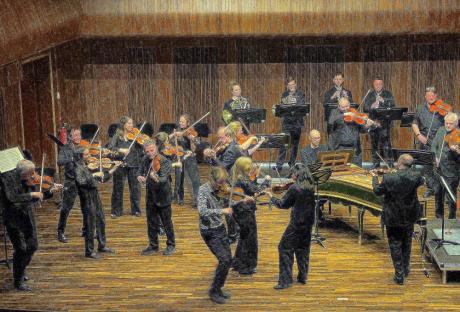
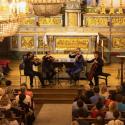
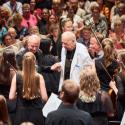
No doubt about it, though, no soloist/conductor I've ever heard has made more of the modestly original Fifth Violin Concerto in A major, the so-called "Turkish" because of one of its rondo episodes. Here it was Kraggerud's stamping more than the bow-slapping of the lower strings which made a fierce dervish dance of the outstanding episode. Elsewhere it was in the quieter stretches, and especially an Adagio which can be a bit of a bore, that Kraggerud's peerless line made itself most felt - the silver thread again. And who could resist the encore, the symphony's main minuet music, showing off what the players had been working at in rehearsals, dancing and moving freely around the stage (pictured above by Seamus Moran). Pure communicative delight.