If modern and post-modern dance has a reputation for being earnest, then this latest curation of British and American pieces shows another face. For while there is rigour in Yolande Yorke-Edgell’s selection for her fine small company, there is also fun, colour and even louche behaviour. And for all the variety of moods and dynamics of these creations spanning 90 years, a silver thread connects them all. The late Robert Cohan, granddaddy of British contemporary dance, was once a dancer for American modern dance pioneer Martha Graham, and every one of the choreographers presented here has felt their influence.
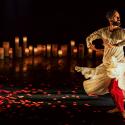
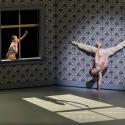
The opener is bracing and takes no prisoners. Graham made the solo Deep Song in 1937 in response to the Spanish Civil War and also to Picasso’s savage black-and-white painting Guernica, itself a response to the obliteration of an entire Spanish village. Seated on a low white bench, Amy Thake (main picture) forms with her hands what yogis call the yoni mudra, a diamond shape symbolising the feminine creative force. Feet splayed, legs braced like girders, she sits astride a long white bench and semaphores grief, pity, resistance and an iron will. When she crawls under the bench, it becomes a coffin; hoisted onto her back, it’s the weight of the world. Deep Song is not short of relevance today.
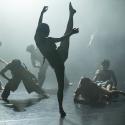
![Members of Yorke Dance Project in Liam Francis's CAST[X]](/sites/default/files/styles/image_column_width/public/2026-01/YDP%2C%20CAST%20%5Bx%5D%2C%20dancers%20l-r%20%20Francis%20Thomas%2C%20Harry%20Wilson%2C%20Eileih%20Muir%2C%20Carina%20Howard%2C%20photo%20Jimmy%20Parratt_0.jpg?itok=pBNLSaNw)
CAST[X], a new work by Liam Francis, brings light relief in a knockabout quartet tinged with the language of hip hop. Jethro Cooke’s collage of spoken phrases clipped from movies (“I haven’t done anything!” and “I had no choice!”), delivered in a multitude of registers and accents, prods the dancers (pictured above) into defensive or confrontational moves. It can’t help but recall Crystal Pite’s work with recorded dialogue but branches into new territory. The result is fresh and fun.
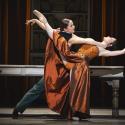
In Lacrymosa, a late work by Robert Cohan, two dancers probe the emotional dynamic between a mother and her adult son, perhaps Mary and Christ, after a prolonged absence. Sombre and stark, danced partly in silence, it proves moving in the extreme, not least when Jonathan Goddard repeatedly goes to embrace Eileih Muir but instead hugs her hips, pressing his ear to her belly as if sounding her womb. As each makes an advance the other retreats, as if afraid of what they might find.
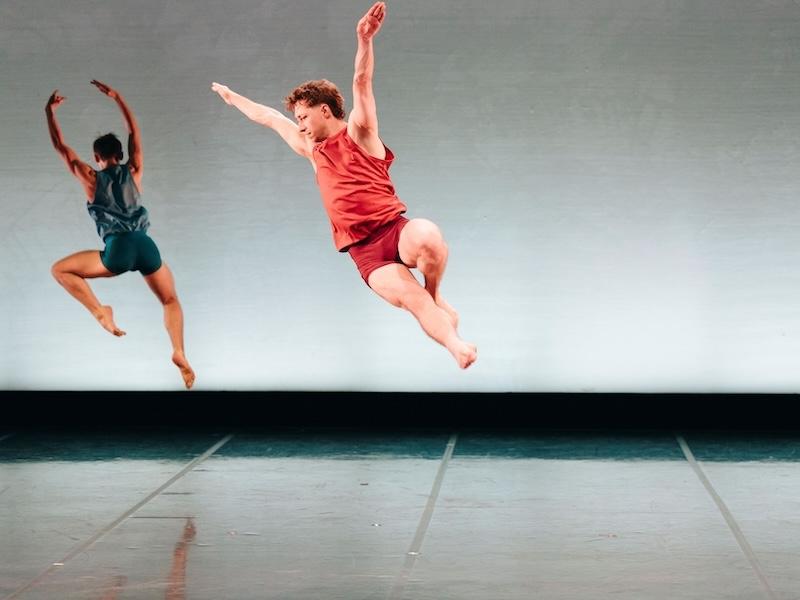
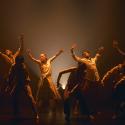
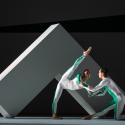
The belated discovery of the evening was the work of Bella Lewitzky, an American modern dance pioneer who operated on the West Coast. Kinaesonata, from 1970 (pictured above), is full of Californian sunshine, six dancers in jelly bean colours responding with boundless energy to the promptings of Ginastera’s Piano Sonata No. 1. Impossible to watch without smiling.
After four such memorable items, how could there be more? A new work from Christopher Bruce, now a very fit-looking 80-year-old, is not just icing on the cake but an event in itself. Troubadour is a suite of dances set to a live recording of Leonard Cohen on his London visit in 2008. Bruce has worked this seam before, most famously with Rooster (set to Rolling Stones numbers) and Moonshine (set to bootleg Bob Dylan). Here the laconic Canadian’s music comes complete with between-songs banter and audience reaction, all of which adds to the smoky, late-night vibe of numbers such as “Dance Me to the End of Love” and “Back on Boogie Street”.
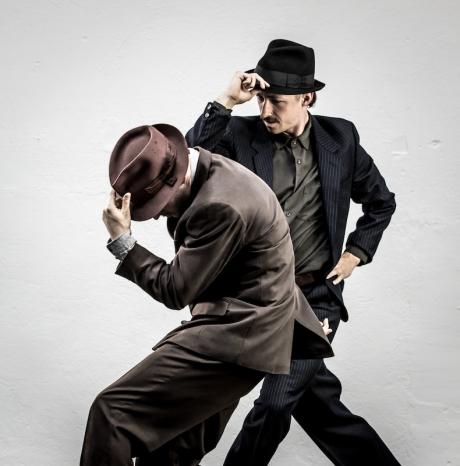
Employing four men in grey suits and trilby hats and five women in wine-red satin frocks, Bruce’s choreography works the clothes into the steps, so that a man’s turning leap is given double the impact by the flapping of a jacket, or a gesture derives from the tilting of a hat brim. The women’s dishevelled hair easily becomes an extra limb as they toss it. No purist, Bruce gleefully brings elements of tango, social waltzing and plain drink-sodden smooch into the mix. There’s nifty soft-shoe hoofing too, a nice kinetic match for Cohen’s throwaway brilliance. Too bad this generous, beautifully curated programme had so few showings. It sold out long in advance and needed more.