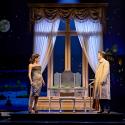
German writer Daniel Kehlmann’s light-touch 90-minute comedy is a chic satire on the slippery business of making art – and especially on the difficulty of assessing it. Whose judgement matters, after all? This production now in the West End was first seen at the Ustinov Studio in Bath where director Laurence Boswell is making a habit of introducing the work of European playwrights previously barely known in the UK. Florian Zeller was a particularly spectacular discovery. His The Father and The Mother were translated by Christopher Hampton, who once more turns in a flowing, natural-sounding translation of here.
 Benjamin Rubin, the mentor of the title, wrote a successful play at the age of 24 and has been trying to match it with another ever since. Martin Wegner, several decades Rubin’s junior, has also written a play for which he has been dubbed “the voice of his generation”. He brings the draft of his next effort, seeking the older man’s guidance under a scheme for the encouragement of new writers. Rubin immediately denounces the piece, pleasingly entitled “Without a Title”, as rubbish. But nothing is certain here. Is Rubin jealous? Had he decided in advance to declare any younger person’s work below par? His first reaction is to comb the script for typos and focus on a misplaced apostrophe as if this proves lack of creative skill. Was his intention from the outset to seduce Gina, Wegner’s attractive museum-administrator wife? Perhaps the play really is poor, or perhaps the difference between the writers is merely one of style or generation?
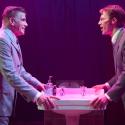
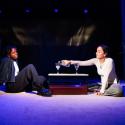
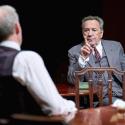
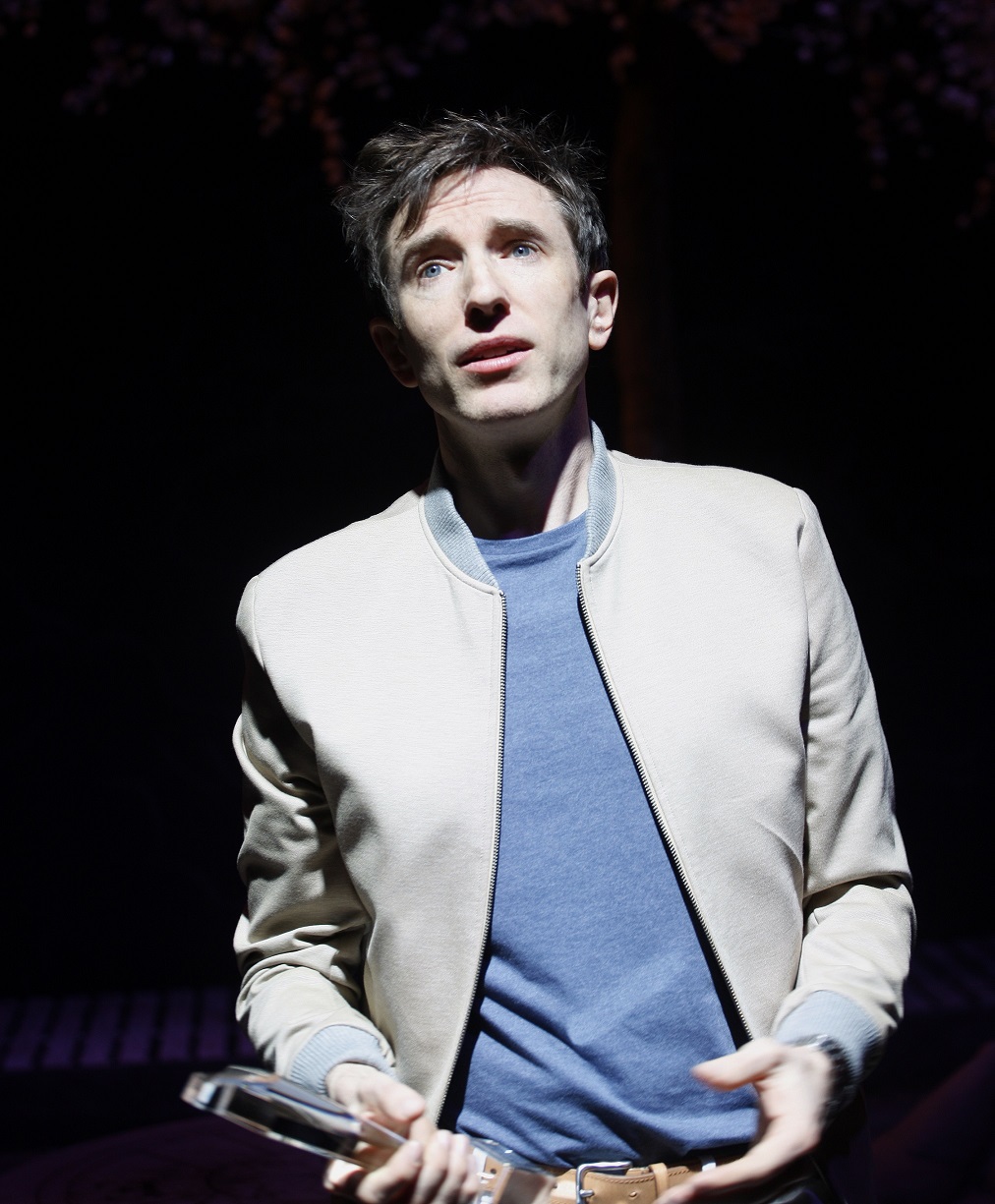
F Murray Abraham takes palpable delight in embodying the mercurial Rubin, with his diva-like requirements, including Speyside whisky. Known in recent years for his black ops character, Dar Adal, in Homeland, Abraham has had a distinguished career on screen and in the theatre, last appearing in the UK as Shylock for the RSC. His career famously did not take off as he might have hoped, however, after his Oscar win in 1985, for Salieri in Amadeus. Rubin’s early unrepeated success could be read as a mischievous echo of this phase. Daniel Weyman (pictured above) as the younger man matches Rubin in self-importance and barely-concealed anxiety about his art. Both need to translate talent – assuming they have any – into cash, and this gig pays well. Gina, played coolly by Naomi Frederick (pictured below, with Abraham), is the salary-earning grown-up caught between these child-creatives. The organiser of the event, Erwin (in this case Lucas Hare, gamely stepping in for an indisposed Jonathan Cullen) exudes the frustration of the artist obliged to pander to other artists for a living. A painter, he is forever showing examples of his work on his phone to anyone even mildly interested.
 Polly Sullivan’s elegant courtyard set, complete with a tree in blossom, has two seats shaped like enormous hands into which the two self-involved writers lower their prickly egos. Just “off” is a pond full of croaking frogs, a source of anxiety to Wegner and into which at one point a manuscript is hurled. Kehlmann is surely making a sly reference to Aristophanes here. The Frogs is, after all, a comedy about a contest between tetchy squabbling playwrights, Euripides and Aeschylus, the old versus the new, with Dionysus as judge.
Gina, Wegner’s hitherto loyally encouraging wife, admits that she has been neither delighted nor devastated by her husband’s work, which is as near to honest criticism as anyone could get. And Rubin’s comment about relativism is at the heart of the play. There is, he says, such a thing as absolute quality; the difficulty comes in defining it.
Does this all add up to great art? Not quite. Kehlmann raises important questions at a time when all opinions have equal weight and the expert is regarded with suspicion. He is perceptive about the predicament of the artist, needing to maintain a childlike openness and excitement while fighting for recognition and attempting to earn a decent living. Boswell and the cast serve him well, making a good stab at the comedy while avoiding commenting knowingly on the characters’ predicament. And yet the result is a little sketchy, and not quite funny enough. But that is, after all, only my opinion. What do I know?