It is a coincidence - and probably no more than that - that Garsington Opera has opened its 30th birthday season with the “founding work of modern Czech opera” in the year that also marks the 30th anniversary of the Velvet Revolution in Prague.
Musically, Bedřich Smetana’s The Bartered Bride is marvellous, vivid, dance-infused work. In the second performance of the run, conductor Jac van Steen and the Philharmonia Orchestra were achieving miracles of clarity, pacing and ensemble with it. The score is peppered with instructions to ratchet up the tempo or to pull it back, or “suivez le chant” (follow the singing), and there are always little caesuras marked which allow a breathing space before a new tempo and mood are established. Van Steen and the orchestra were not only able to give all three acts a flow which always seemed very natural, but the dances had genuine lightness and lift, plus all the swagger and menace was there when necessary, and the moments of youthful passion too. But most remarkable of all, there was more or less infallible co-ordination between pit and stage throughout, even with Garsington’s wide stage and a lot for the chorus to do. This is a remarkable company achievement and a real feather in the caps of van Steen and chorus director Jonathon Swinard. In the introductory talk, van Steen suggested the work needs to be heard at least three times in full performance to even start to unearth its treasures and subtleties; it would be impossible to argue with that. 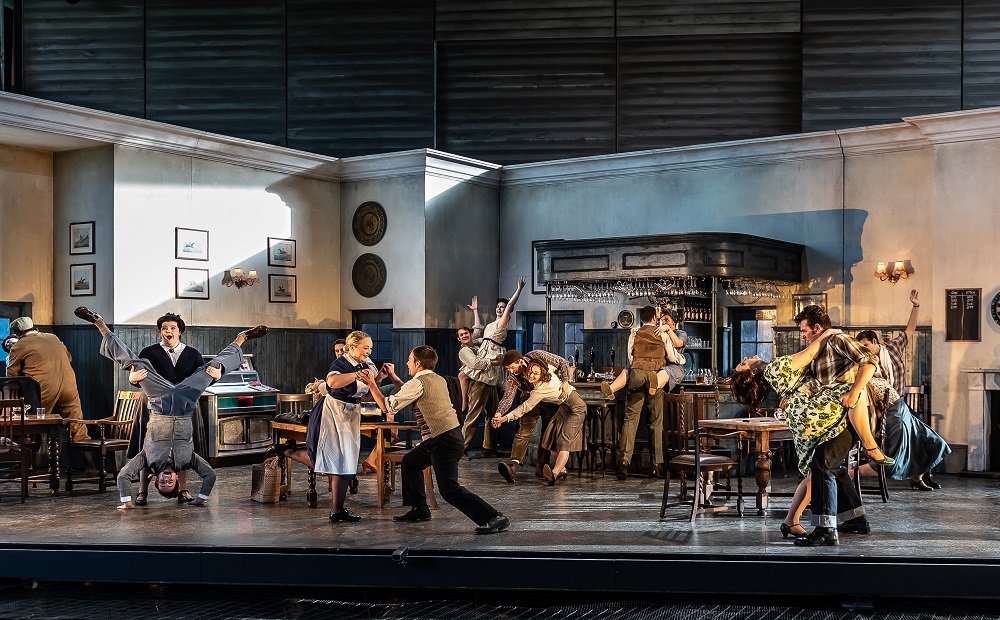 Dramatically, all is not so simple with Bride. It has a plot which is thin and, for our times, problematic. The Czech title of the piece literally means the “sold” bride, which in itself as an idea is more likely to be a source of disquiet and alarm rather than amusement for, at least, say, half the audience. And one of the motors of the plot is the fact that one of the "suitors" of this bride, Vašek, is the object of general disdain and ridicule because he is what once would have been called a simpleton with a stammer, but these days would more likely be referred to as having an intellectual disability and also disfluency.
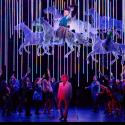
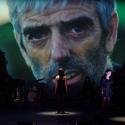
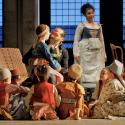
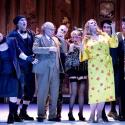
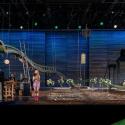
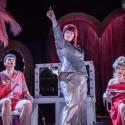
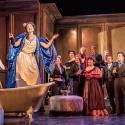
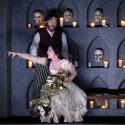
Director Paul Curran has updated the action to 1950s England, which brings the little jealousies and intrigues of a village where everyone knows each other into a zone that is recognizable and familiar for the audience. Does it add to the experience? Yes. Does it solve the work’s dramatic weaknesses? No.
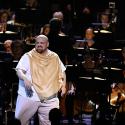
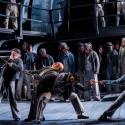
The production makes another bold decision which works well, however. The language is Czech throughout. It is the language in which to hear the speech rhythms and to revel in the sound the best, and all of the principal singers gave characterful and vocally strong accounts of their roles. As the bride Mařenka herself, Natalya Romaniw struck the ideal balance between the dreaming of a life with her intended husband and the scheming required to get her there. She brought real pathos and depth to the Act 3 aria "Ó, jaký žal" ("O what grief"), even though it is never less than plain that a solution to her woes is just around the corner. As Jeník, American tenor Brenden Gunnell was vocally totally persuasive, with a wonderful sound. Of the other principals, Peter Savidge gave a superbly consistent account of the bride's father Krušina, beset with constant trouble, and as the marriage broker Kecal, Joshua Bloom was vocally and dramatically convincing. The movement and dancing and vocal strength of the Garsington chorus was one of the joys of this production. The movement group which trapezed, juggled, somersaulted and cartwheeled brought joy to the dramatically strained third act.
Any doubts tend not to linger: the hint of heaven about this idyllic corner of the Chilterns on a fine summer evening, and the assuredness and professionalism of Garsington at all levels of its operation, waft them away with ease.