Maybe some British opera houses just don’t get operetta. Without wit, lightness and snappy pace, cudgelling us with desperate relevance, the frothiest works crash to earth stone cold dead. There have been disasters elsewhere, too, though ENO is the chief culprit, and (after a miserable Merry Widow and a fearful Fledermaus) this one is the nail in the coffenbach. If you think that’s a bad joke, wait til you hear the ones on stage.
In the myth of Orpheus, the demigod’s bride, Eurydice, dies of a snakebite; he goes to Hades to persuade the god of the underworld, through the power of his music, to return her. Pluto instructs that Orpheus must lead her back to the world without looking back at her. He turns; she vanishes. This production is the second in a series of four operas on this story at ENO this season. I expect the forthcoming Birtwistle version will be more fun.
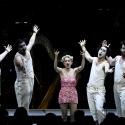
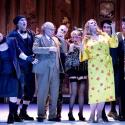
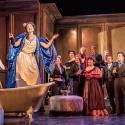
The director Emma Rice, though new to opera (let alone operetta) could have been the perfect choice for this work, which can appear deeply misogynistic, at least on paper. When she shows us Eurydice being seduced, murdered, imprisoned, ripped away from her husband and turned into a tart for Bacchus, by a succession of men each more vile than the last, Rice is not being entirely untrue to Offenbach (pictured below, Mary Bevan as Eurydice and Alan Oke as John Styx). 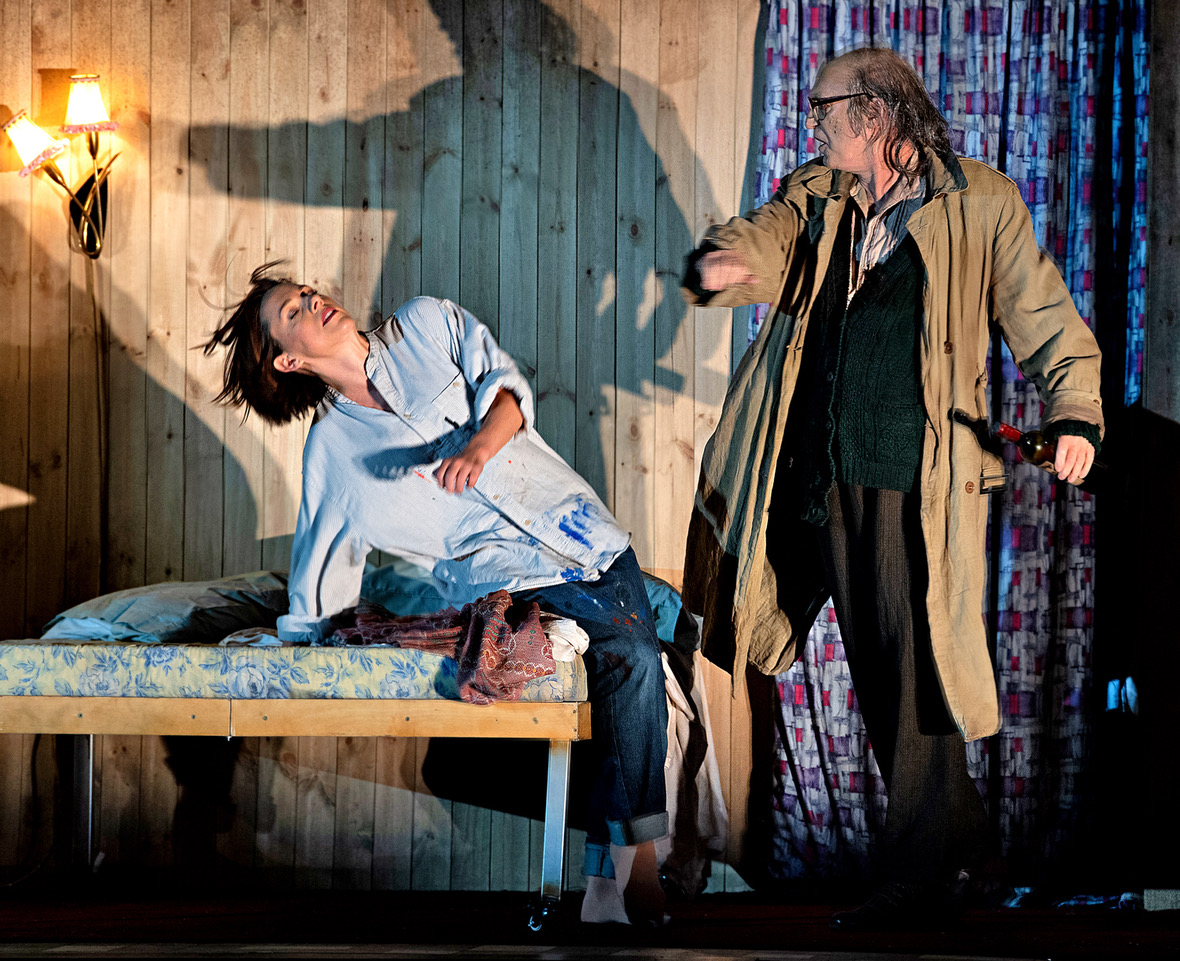 But she misses the point, which is that the composer and his librettists took all that cruelty, pomposity, coercion and stale tradition and mocked it mercilessly. Offenbach does real satire: he disembowels power through laughter. When the present evening begins with Orpheus and Eurydice’s baby dying at birth, anyone who’s come along in the hope of cheering up can kiss goodbye to that idea.
Do we really need reminding that we’ve lost our moral compass, that nothing means anything any more and that we’re following our “strong leaders” to hell? We already know hell is hellish and that we are trapped in it. This message is as subtle as Bacchus’s massive stage fart. (Yes, they do that.) Moreover Rice weighs the work down with oceans of repetitive and pointless dialogue.
True, 19th-century French humour might seem dated in 21st-century London. Offenbach’s conceit is that Orpheus and Eurydice are delighted to be rid of each other and hell is great fun. But if a radical feminist reinterpretation of the Orpheus myth is required, wouldn’t it be better to commission a good new one, rather than force Offenbach's twinkly toes into a shoe that doesn’t fit?
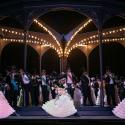
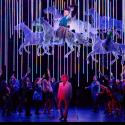
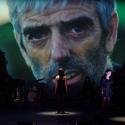
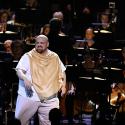
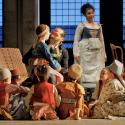
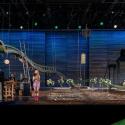
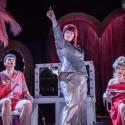
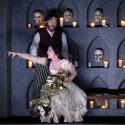
Lez Brotherston’s costume designs and Lizzie Clachan’s set for Mount Olympus are the best things about the evening. The mobster gods live on a luxury cruise ship in the sky and Cupid wears gold hot-pants. Tom Morris’s lyrics are always lively, often clever and sometimes snarky. And there are pleasing touches: balloons of varying sizes magically become sheep and bees, and Orpheus and his guide, Public Opinion, rise to Mount Olympus in a balloon-borne London taxi.  The music, of course, is glorious – when we have a chance to hear any. Willard White is a strong, scheming Jupiter, Mary Bevan a heartbreaking Eurydice and Ed Lyon an appealing Orpheus. There’s a star turn from Alan Oke as the unfortunate John Styx and ENO Harewood Artist Alex Otterburn makes a seriously strong impression as a charismatic Pluto (pictured above). Lucia Lucas, a trans female baritone, is equally splendid as the taxi-driving Public Opinion.
Luxury casting in smaller roles finds Anne-Marie Owens as Juno being Hyacinth Bouquet in all but name (she needn’t shout "Keeping up appearances" at her first entry); another impressive Harewood Artist, creamy-toned high soprano Idunnu Münch, as Diana; and Ellie Laugharne, Judith Howarth and Keel Watson as Cupid, Venus and Mars respectively. But occasional hoarseness from more than one singer made me wonder if it was sensible to schedule the dress rehearsal and opening night on consecutive days. Would you catch Glyndebourne doing that?
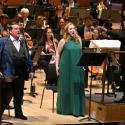
Sian Edwards and the ENO Orchestra are in fine form, with well-judged tempi and nice balance. I just wish we could have heard them play Offenbach’s overture. If this were a preview (which operas sadly don’t have), the team could slice 20 minutes off the awful yakking, put back the rest of the truncated overture, ramp up the soggy, saggy pace of the drama and send us out smiling, in good time for the 10.20 from Waterloo.