It’s hard to remember that distant time back in March before we were all digital experts, when the idea of watching a live-streamed performance was still novel and intriguing. Fast-forward eight months and serious screen-based fatigue has set in. But if you’re after something to stimulate and soothe, a concert so thoughtfully programmed and lovingly presented that it’s almost as good as being back in the hall, then the Dunedin Consort have the answer.
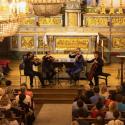
Filmed at Edinburgh’s Greyfriars Kirk, evocatively lit for the occasion, the concert is a musical journey through an empty city – a meditation on isolation, loss and hope. Programmed before lockdown, its themes have since taken on new resonance, and it’s hard not to watch the much-reduced choir spaced far apart in an otherwise empty church and not feel the same sort of something Byrd’s illicit domestic congregations must have experienced hearing the Mass for Three Voices.
What we miss here in charred, Rembrandt-lit shadows we gain in the cloudy sheen of sopranos
Binding the programme together are Orlande de Lassus’s too rarely heard five-voice Lamentations. Setting the words of the Prophet Jeremiah, these sequences of mourning are traditionally sung during Holy Week’s Tenebrae services, and carry their chiaroscuro drama within the music. The city of Jerusalem, sacked by the Babylonians, is vividly captured in all its ruined desolation, and the men and women – even, as we learn in one especially heart-wrenching passage, the little children – are taken into captivity.
There’s a particular contrapuntal density to five-voice polyphony – a knotty, interwoven weight that lends itself so well to these texts. You feel it more obviously in mens’-voices performances, but what we miss here in charred, Rembrandt-lit shadows we gain in the cloudy sheen of sopranos – musical smoke over the ruins. There’s a lot of light in Lassus’s music, particularly in the second set of Lamentations, where watery harmonic sunshine only intensifies the bleakness of the words, and that strange warmth – now comforting, now horrible – emerges beautifully in the play of texture between the voices in this softly amplifying acoustic.
Breaking up the sequence are motets – 16th-century and contemporary – all sharing the same penitential landscape. But the shades of grey are many and varied. Cecilia McDowall’s I know that my redeemer liveth sparks the friction of dissonance into flashes of brightness in cluster chords created as the melody moves between parts, while Ninfea Crutwell-Reade’s Rilke-setting Vigil I – commissioned by the group – suggests the smudgy outlines of dusk in its echoing, overlapping quartets of voices.
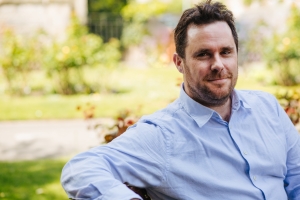 Probably best known for their Bach – crisp, energised, glossy – the Dunedins find a different touch here in their first performance under their newly-named Associated Director Nicholas Mulroy. Edges are softer, creating a lovely hazy glow, and there’s an organic, exploratory quality to the shaping and pacing. Only in the longer works – James MacMillan’s powerful eight-part Miserere, which feels a little sparse here delivered by just twelve voices, sections of the Lassus – do we feel a slight sag in impetus, a loss of connection and overarching line. But it’s the fault of a choir listening and enjoying one another too much, and after eight months of silence, who can blame them?