The exceptionally moving and heartwarming story of more than 10,000 mostly Jewish children being brought to the safe haven of these shores between December 1938 and September 1939 to rescue them from being victims of the Holocaust, Kindertransport, has oft been told. But now we hear it afresh through the voices of children in a dramatised re-telling. The coincidence of composer Carl Davis’s interest in this extraordinary experience and the Halle’s desire to commission new work for their children’s choir has resulted in Last Train to Tomorrow.
“I wanted to focus on the journey before the children reach England to start their new life,” says Davis, who conducted the world premiere at Bridgewater Hall. And what a journey it is, with all ages from babies to teenagers travelling in locked compartments under guard from Germany, Austria, Czechoslovakia and Poland to catch the Harwich ferry. “We all held hands together and we said that were not going to cry,” says Lady Milena Grenfell-Baines, a survivor, who was present here. She left from Prague with her sister, having seen their father taken away by the Nazis to a concentration camp before the rescue mission began, soon after Kristallnacht.
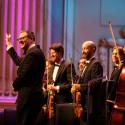
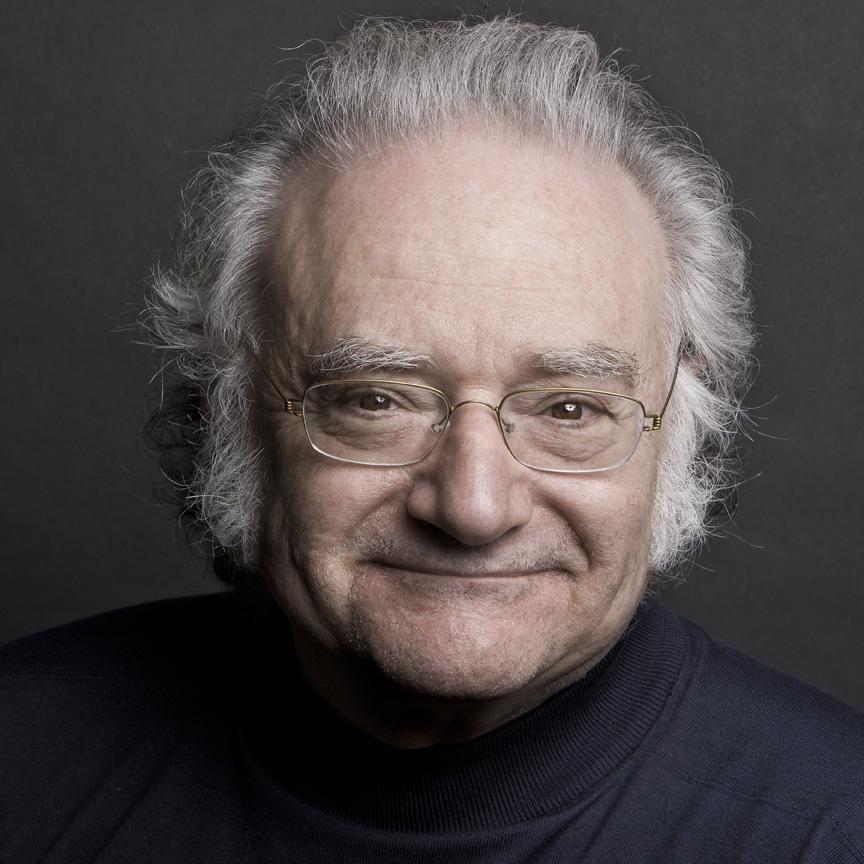 The children sing of “the night of breaking glass” as the build-up to their escape begins. In a sequence of 10 songs, punctuated at regular intervals by short scenes from the journey played out by six young actors, Davis (pictured right) presents the story in narrative form, capturing a sense of movement as the train passes through Germany, crosses the Dutch border, where the children begin to feel free and loved again, on its way to the port.
The 72-strong choir (predominantly girls), including several soloists, begin by remembering the good days “before this” – fishing for trout, ice-skating eating apfelstrudel. Then the trains take over – “the turning and turning of wheels on trains on tracks”, Davis’s music reflects the emotions, light strings turning dark and threatening. A Viennese waltz echoes as if in a dream. The rumours go round that “there are trains” and there’s a rush to get places, followed by the tearful farewells for the lucky ones, and the false promise of reunion when it’s all over. The children intone the names of passing stations until finally they reach the ferry and awake to hear seagulls. They sing of “The Sun Rising on Another World”, while an actor recalls their parents’ sacrifice.
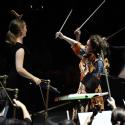
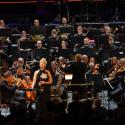
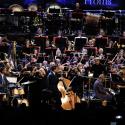
The text, written by children’s author Hiawyn Oram mostly in rhyming verse, captures the fear and hope. Davis’s orchestration calls for a 40-strong orchestra of strings, percussion and four-hand piano. The Halle Children’s Choir, directed by Shirley Court, sing beautifully, with confidence, clarity and feeling. The actors from Manchester Metropolitan University, under their director David Shirley, neatly deliver the dramatic links.
Before the main event, Davis programmed three pieces representing respectively Prague, Berlin and England, the start and end points of the journey: the Vltava from Smetana’s Má Vlast, “Brother Come Dance With Me” from Humperdinck’s Hansel and Gretel, and Britten’s Young Person’s Guide to the Orchestra. It was an occasion to remember culminating, with The Last Train to Tomorrow, in a powerful and hypnotic 45-minute evening that moved its audience to tears.