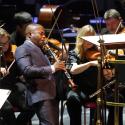
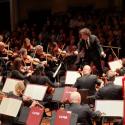
Sir Simon Rattle’s Sibelian journey has been long and fruitful and has taken him all the way from Birmingham to Berlin, and more particularly the revered Philharmonic where the spaces between the notes now resonate in extraordinary ways and the bass lines are sunk deeper than with any other orchestra on the planet. Beginning their London residency with the first two of Sibelius’s symphonies (the rest to follow over the next few days) gave us a chance to feel how organically Sibelius became Sibelius and how the music effectively seemed to come up through the bass lines.
The other thing which distinguished both these performances was the sense in which the daring and originality of the music still felt so new. The eternal clarinet solo at the start of the First felt longer and more improvisatory and subsequently more desolate than I had remembered it, and even the Russian influences, inflected in the big lyric themes and the propulsive dancing of the finale, seemed less pronounced. Rattle made much of the propulsive virility of the music (the cragginess of the first movement’s first subject was tremendous) and mostly resisted the temptation to luxuriate in its incidences of almost Tchaikovskian lyricism. The squally storms which run through the piece were just that, and the frozen wastes surveyed by lamenting strings in that wonderfully inspiring but still regretful tune in the finale was extraordinary for the way in which it seemed to create space in the playing of it. That was something I felt even more in the Second Symphony where Rattle and the orchestra conveyed a sense of being newly taken aback by the originality of, in particular, the first two movements.
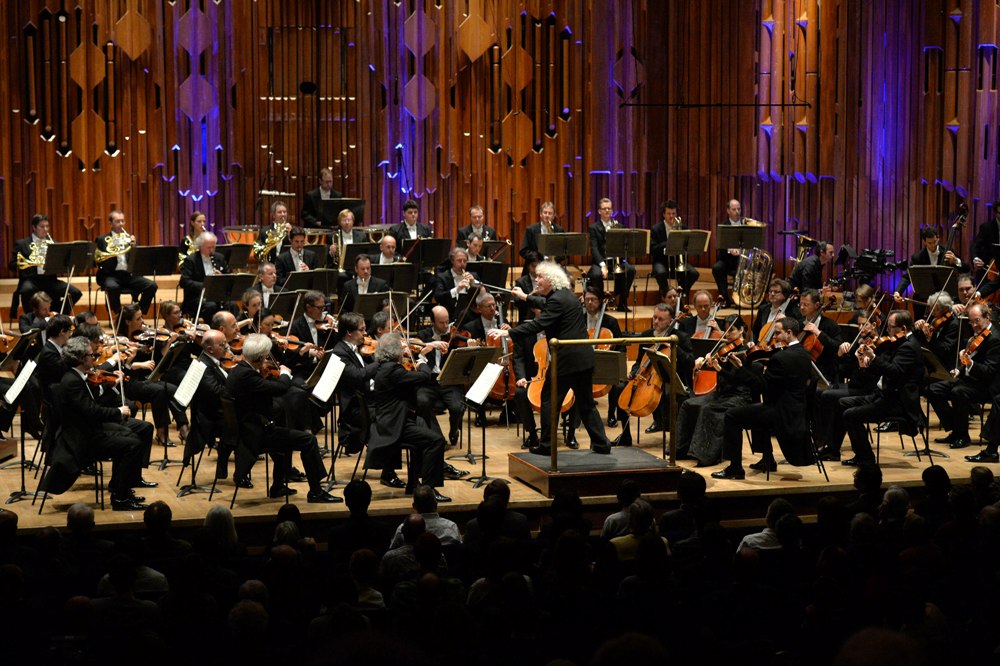
The novel approach to symphonic form in the first came at us in pulses of energy and with the big release at the climax the curiously ornate character of the theme found an almost Renaissance-like splendour in the violins. The second movement’s introspection was riveting, not least the passage for heart-stoppingly quiet strings at the heart of the movement while its elemental character – the choice of bassoons and later lachrymose trumpet – was darkly impressive. Indeed with every seismic upheaval the spaces between the rocky brass proclamations were almost more resonant than the chords themselves.
And nor did Rattle go for easy-option patriotism in the finale, opting instead for momentum in the big tune and a deeply moving sense of contemplative stillness in the amazing passage just before the home stretch. The crowning glory when it came was pretty hair-raising, with those string basses striding dramatically into the coda and Rattle screwing up the excitement to bursting point where the violins’ tremolando shifts up into the sub-dominant of D major (B natural) and the sun really does come out. How telling that the radiance of the final chord did not bring the usual barrage of bravos until its resonance was fully felt and heard in the second or two it took to die away.