

The story of a woman with lung cancer that has metastasised to the brain is based on Norwegian director Maria Sødahl's own experience, which is a hopeful sign in itself. But you take nothing for granted in this honest, beautiful movie, which never strays into sentimental terminal-romance territory and is shot by Lars von Trier's regular DP Manuel Alberto Claro,
It’s Christmas and comfort and joy is thin on the ground. Oslo choreographer Anja (the brilliant, vibrant Andrea Bræin Hovig) is desperate to avoid a repeat of last year, when she was in hospital, away from her six children – three of her own, three step - undergoing apparently successful surgery for lung cancer.
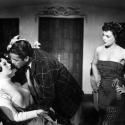
But now her persistent headaches and dizziness are accompanied by an awful inability to read – she can’t even see the caller ID on her phone. These are symptoms of a brain tumour, incurable and possibly leaving her with little time left. As she gets the ominous phone call from the doctor, she’s making up her father’s bed – he’s staying with them for the holidays - on the sofa. In the mirror, she watches her teenage daughter putting on make-up. It’s a scene that sums up so much about life and its trajectory.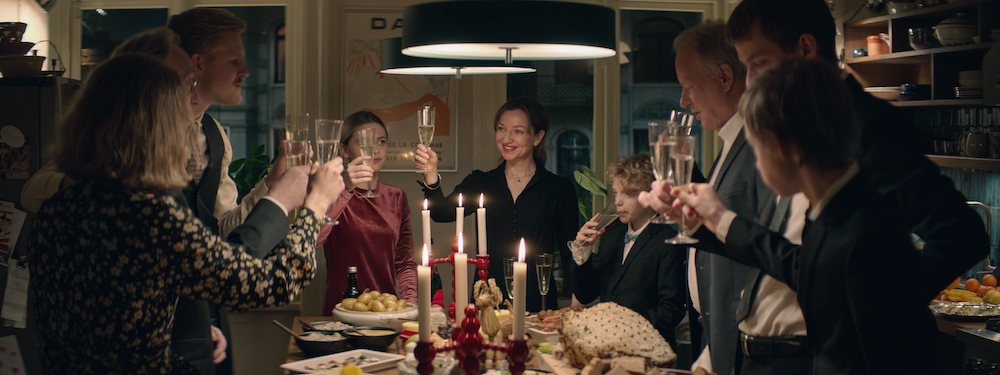 Anja’s life, from this grim viewpoint, starts to seem to her like a PowerPoint presentation featuring a “thick grey graph of postpartum apathy” with her partner Tomas (Stellan Skarsgård, pictured below) as a series of dots, coming and going. “Uplifting,” he says wryly. He’s a theatre director, an unavailable, distant, workaholic sort and it’s a measure of Skarsgård’s skill that the powerful emotions beneath his slow-moving facial expressions, like a roiling river running below the surface, come over so clearly.
Anja is the opposite, made manic, sleepless, often furious and ravenously hungry by the high doses of steroids she’s been prescribed “to avoid brain death,” as one doctor puts it, delicately. “She’s so volatile and intense,” says Tomas to a friend. “I don’t know what’s the medication, what’s her fear of dying and what’s just Anja.”
The action takes place over several days, each given a date-line chapter heading, starting with the day before Christmas Eve and ending on 2 January, when Anja’s surgery is eventually, triumphantly scheduled. “It’s like we’re at work together in a whole new field,” says Anja grimly, fighting nausea by munching a wrap, as she and Tomas stride through hospital corridors trying to negotiate the healthcare system. Even in Norway, finding the right brain surgeon or someone experienced enough to give advice about how to break the news to the children is an uphill struggle over Christmas.
Their relationship, in all its imperfection, is wonderfully authentic, as are the domestic details of a family Christmas, sometimes quarrelsome, sometimes tearful, that carries on regardless, with great ensemble acting from the six children. For Anja and Tomas, work has taken precedence over the years and intimacy has fallen by the wayside. There's a pragmatic coolness about the family dynamic.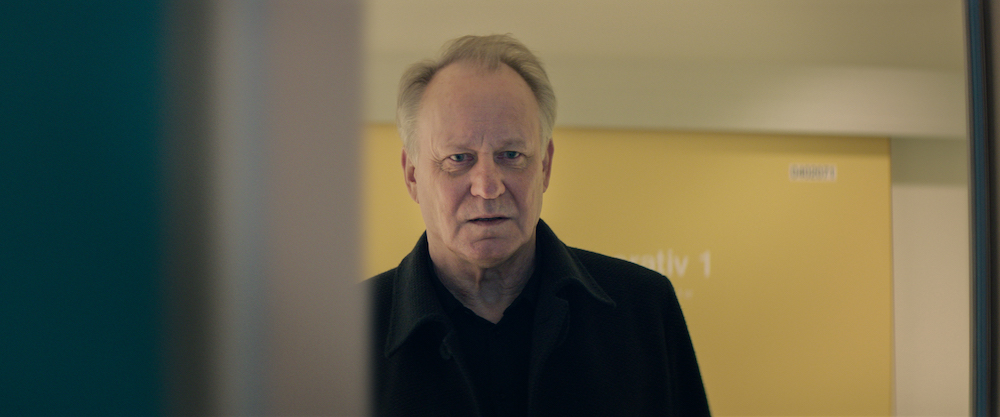 Do they love each other? Good question, complicated answer. “We’re useless at sticking together even when times are good,” says Anja bitterly. But now she’s determined to give her children – the youngest, a tousle-headed boy, is 10, while Tomas’s, from his previous marriage, are in their twenties – something new to believe in that will sustain them when she’s gone.
At first, rage takes over and Anja doesn’t mince words. Find someone else quickly because, “I don’t think the kids will make it with you alone,” she tells Tomas damningly. And, she adds, she’s always loved her own kids more then his, even though, misguidedly, she’s pretended not to. But then there’s a softening, a new tenderness, even romance, as they join forces, first for the children’s sake, then their own. Tomas’s new best friend, he says, is PubMed.com. He’s able to help her more than she ever imagined. And at the end, we’re left with hope.








Add comment