

The audience questions are when Kieran Yates’ talk boils over. Her book All the Houses I’ve Ever Lived In considers housing policy through autobiography and imaginative research, and the preceding interview has focused on its sometimes academic arguments and colourful details. Many here, though, want more practical answers to Britain’s housing crisis, an intimate iniquity which is our economy’s shaky foundation, while carving generational fault-lines.
It's when Yates contrasts estate agents’ gaudily photoshopped property pictures with social housing candidates having to bid based on photo-free ads, then accept sight unseen or be deemed actively homeless, that a woman in the crowd speaks out. “There’s no picture because it doesn’t matter,” she begins, in a rhythmic mantra of rising fury. “It doesn't matter if only one tap works. It doesn't matter if the bath and sink don’t match.” Council estates, she notes, have gone from normal homes for working people to emergency accommodation for society’s desperate. Mould comes as standard. “It doesn’t matter,” she spits. “This is a rich city, but a city of two halves.” This book tour stop at the private Brighton Girls School has suddenly become the sort of town-hall meeting actual, impoverished town halls now dodge, a Brighton Festivalgoers' forum on the state of their town.
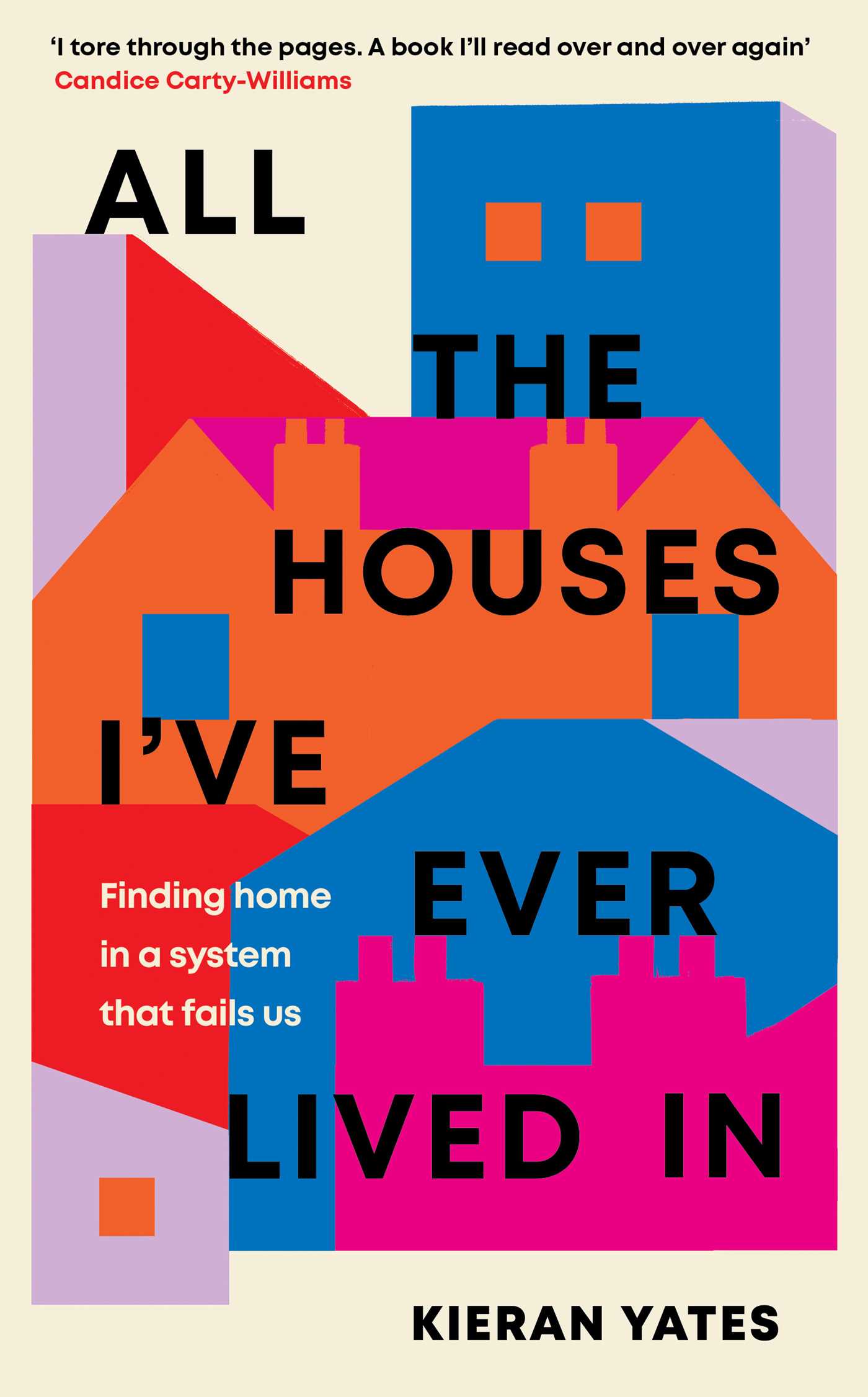 Yates is an ebullient, personable speaker, with a journalistic background reporting on Grenfell for The Guardian, and a life encompassing homes in London council houses and a glass-walled car showroom office, where net curtains helped create a thin veil of privacy, “a softness and a shield”. “How do you make somewhere not designed to be lived in feel like home?” is one of her book’s questions; Madras and Nottingham lace’s entwined imperial histories typify its hinterland.
Bashment epiphanies heard through thin council house walls contrast with the gentrification complaint model, designed to eradicate music-making for of culturally antiseptic investment opportunities. The close-quarters hubbub and informal shebeens which helped invent Lovers’ Rock, Afrobeats and grime become bourgeois quiet.
Yates also happily holds forth on the social meaning of pebbledash, porcelain sinks and pollen, Victorian “fern fever” and lockdown houseplants, community action such as the Asian Youth Movement, which escorted younger siblings during racist violence (“Home going beyond your four walls, taking you to the school gates”), and attendant zines. Memories of kipping above shops and on floors mingle with her builder dad’s sketched, unrealised dreams. It’s an enthusiastic and vivid domestic cornucopia.
Reacting to that audience-member’s burning anger, Yates also illuminates housing as a form of oppression, as landlords’ individualise faults and racially profile complainants. “Guilt is not useful,” she says, to the generation of sheepish home-owners gifted security by late parents. Recognising others’ problems in a spirit of solidarity, when “the government encourages us to see ourselves as separate interest groups”, is needed.
That voice from the floor reminds us all where we’re living. Brighton and Hove differs only in degree in a nation where, as Grenfell made obscenely clear, property policy can be criminally callous.











Add comment