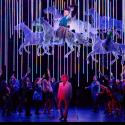
Tamino in the operating theatre hallucinating serpents? Sarastro’s acolytes wheeling lit-up plasma packs? From the central part of the Overture onwards – just when we thought we'd escape directorial intervention in Olivia Clarke’s racy conducting - Jamie Manton’s production of Mozart's adult fairy-tale looks distinctly unpromising. But by Act Two, it becomes one of the most moving Magic Flutes I’ve ever seen. Glorious singing and youthful energy help to make it so.
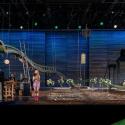
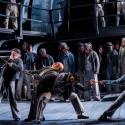
So do the high-tech design of Justin Nardella and sometimes deliberately uncomfortable lighting of Charlie Morgan Jones. Neon strip lighting is a cliché of Regietheater, that bane of the German opera-house scene when it doesn’t work (and sometimes it does); these ones usefully flash different colours, can be lowered (maybe a little too often) and punctuate the essential darkness of the later trials. There are also three grubby hospital doors with exit signs – interestingly, not used to represent the three temples Tamino approaches in the Act One finale – and various clinical props. The costumes are sometimes capricious, with plenty of latex and Monostatos as a jewel-studded green gimp – but mostly consistent, like Manton’s carried-through concept. 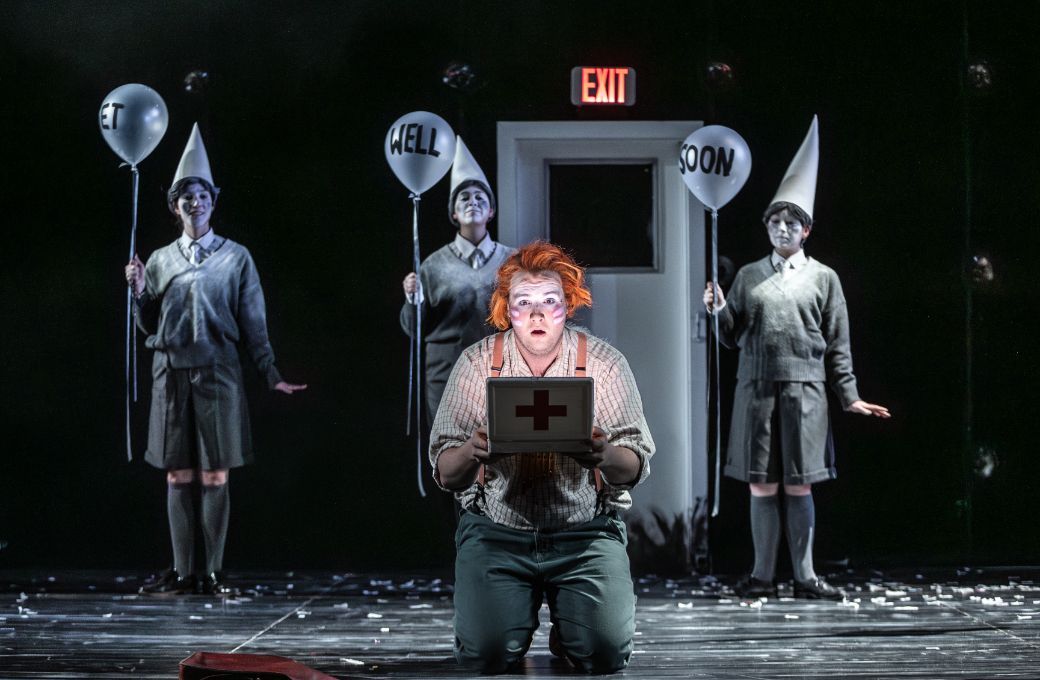 It's often easy to forget that the heroic pair who go through various trials of the spirit, Tamino and Pamina, are young, impressionable people. We're reminded of that throughout in the deliciously wide-eyed performances of Zahid Siddiqui and Grace Hope-Gill (all roles are double-cast; had I gone earlier, I'd have made an effort to see the others).
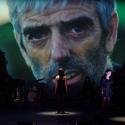
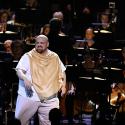
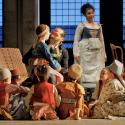
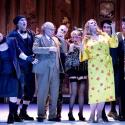
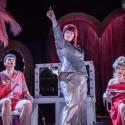
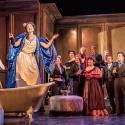
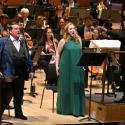
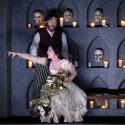
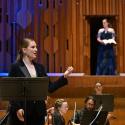
Siddiqui has a sweet, slightly old-fashioned tenor sound, a bit like the great Joseph Schmidt, which immediately gives his character individuality, though the volume could sometimes be lowered a notch. Hope-Gill takes a bit of time to anchor the voice, but hits all the emotional heights - the simple answer to Papageno to speak "the truth", the difficult aria of suffering at Tamino's apparent rejection, the rapturous greeting of her own true love at the trials, where - those who go on about Flute's mysogyny, please note - she leads him (supertitles mute the sexist lines of Speaker and Priests, but the text remains the same; these men need enlightening too, of course). This Pamina is bouncily girlish at first, to match Conrad Chatterton's nicely-pitched and beautifully sung Papageno (pictured above with the Three Boys - a hospital cleaner with squeegee floor mops serving as birds, not a barrel of laughs as the ever-sober production has it, but this baritone never goes for overkill). 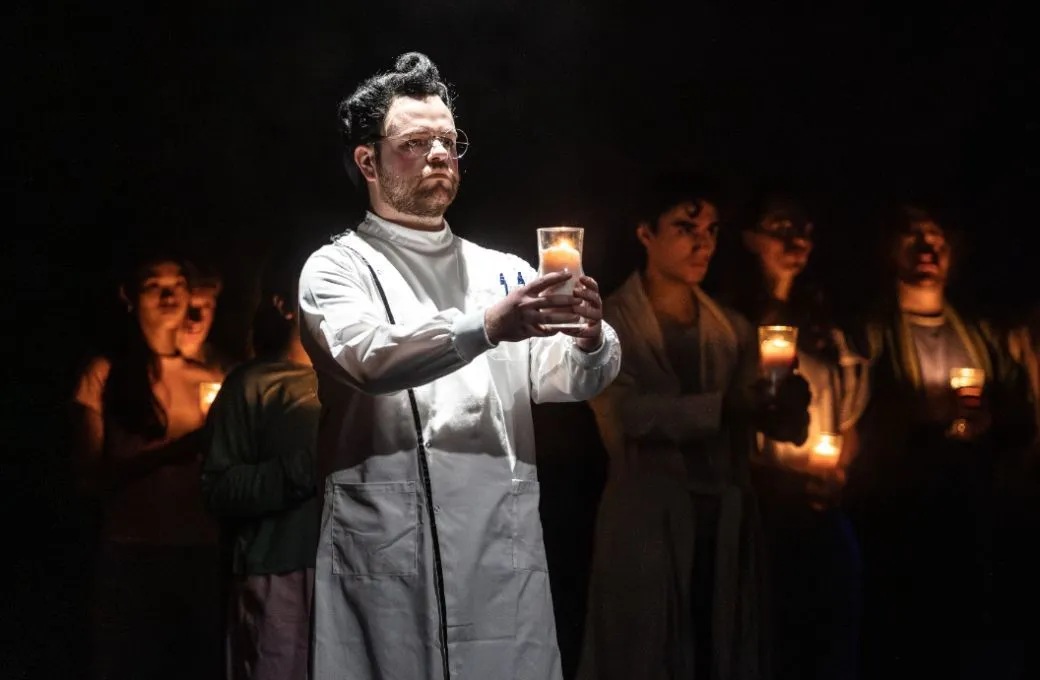 True young basses aren't easy to find, but the RAM has at least one in Daniel Vening (pictured above). He's Sarastro as "good" surgeon ranged against the dodgy nursing roles taken by the three ladies - Erin O'Rourke, Charlotte Clapperton and Anna-Helena Maclachlan, a rich and sensuous trio. Their mistress is, as she should be, the showstopper: as the Queen of the Night, Binny Supin Yang (pictured below) nails the expression in the text before going on to hit all her firework notes spot on, rare perfection and ready to sing the role at any opera house in the world.
The Three Boys, though inevitably taken by young female students (Hailey West, Anna Lluna and Nuria Prats Illanas), are convincingly characterised as a jolly Tweedlethreesome, offering some of the production's loveliest touches, and doing especially well by the simple but effective movement work of Corina Würsch. Everyone else merits a mention for which there isn't space, but special kudos to the glorious chorus, verging on Glyndebourne standard. The Priests' music, whether vocal or purely instrumental, sounds especially rich in the glorious state-of-the-art Susie Sainsbury Theatre (my first visit, I blush to say; I was stunned on entering). 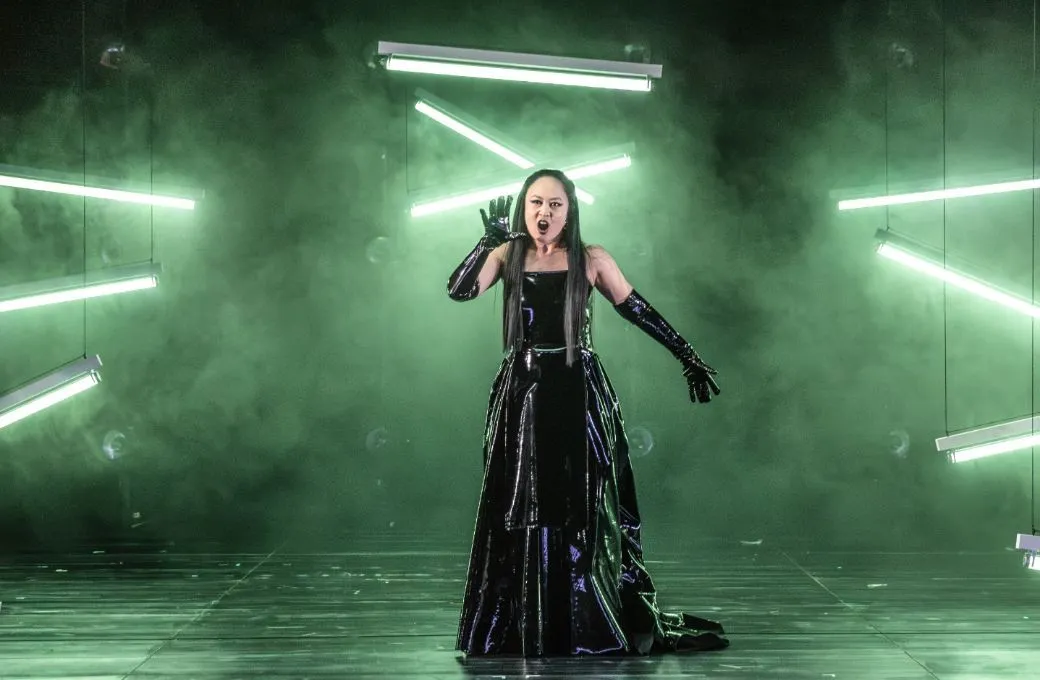 Indeed, the opening March of Act Two is one of Olivia Clarke's finest achievements; she tends to rush the fast passages, and there isn't always enough space for the music to breathe or charm. But it's played with exceptional lustre by the young Royal Academy Sinfonia (and a standout ornamentation or two from first oboist Ho Long Lee). So, the pleasures outweigh any setbacks, and what's outstanding here will remain in the memory far more than any showing of the David McVicar production at the Royal Opera, routine whenever I've seen it. Here everyone is full of life, fresh and excellent.